Using Remote Monitoring to Improve Chronic Disease Management in Home Care: Benefits, Challenges and What’s Next for Australian Providers
Date: February 6, 2024
1. Introduction
Chronic diseases are long-term health problems that keep coming back and can be hard to manage. In Australia, they take up a lot of our healthcare resources and attention. The Australian Institute of Health and Welfare (AIHW) says that chronic illnesses like heart disease, diabetes, and lung disease make up more than two-thirds of the nation’s total disease burden.
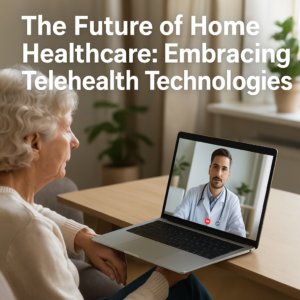
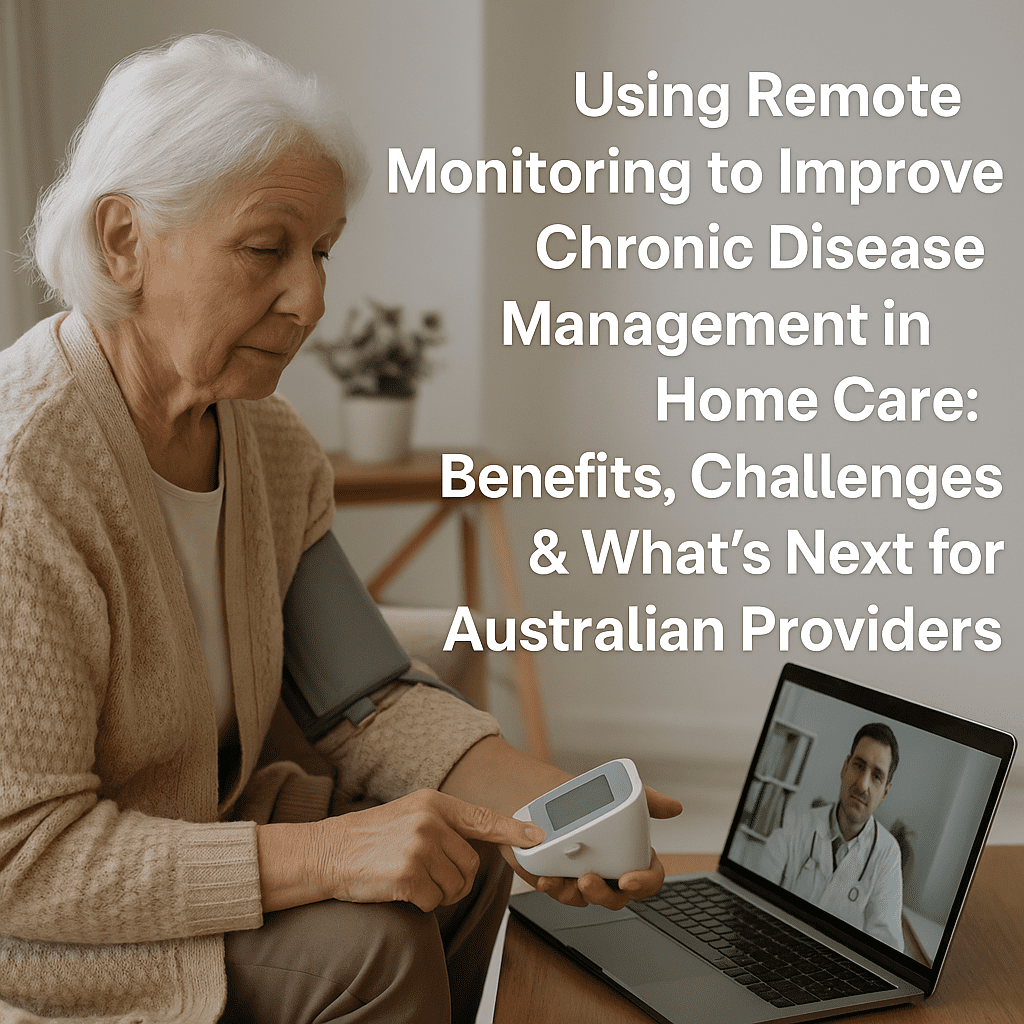
For many years, most care for these conditions happened in hospitals. But with an ageing population and full hospitals, more care now needs to happen at home. Remote patient monitoring, or RPM, makes this possible. This technology lets health workers check patients’ health from a distance, using devices that send information back to doctors and nurses.
Since COVID-19 pushed more technology into healthcare, Australian providers have been quick to use RPM. Now, nurses and GPs can track patients’ vital signs even if they live in remote parts of the country. At SMPLSINNOVATION, we have seen how RPM is changing healthcare delivery. This article explains where chronic disease care stands today, how remote monitoring fits in, and what’s coming next for home care providers in Australia.
2. The State of Chronic Disease Management in Australia
Almost half of Australian adults live with at least one chronic condition. Chronic diseases make up about 70% of total health spending. The most common conditions include heart disease, COPD, diabetes, high blood pressure, arthritis, and kidney disease.
These illnesses need regular monitoring and care, but that’s not always easy. Home care workers and doctors don’t always see the full picture of a patient’s health.
Current gaps in home care management include:
1. Limited updates between visits, which can lead to missed warning signs.
2. Poor data sharing between care providers and doctors.
3. Care that reacts to problems instead of preventing them.
4. Heavy paperwork that takes time away from patients.
5. Limited digital tools in smaller care organisations.
Australia’s new Digital Health Blueprint 2023–2028 and updated healthcare agreements are helping fix these issues by supporting shared records and better digital connections between care providers.
3. Remote Monitoring in Home Care: What It Involves
Remote Patient Monitoring helps healthcare teams keep track of patients’ health using technology. It collects information like heart rate or blood pressure so problems can be spotted early.
Core tools being used in home care include:
1. Wearables and patches that track heart rate, oxygen, and temperature.
2. Connected devices like smart blood pressure monitors or glucose meters.
3. Mobile health apps where patients can record symptoms or medication use.
4. Artificial intelligence that spots unusual patterns.
5. Cloud dashboards showing all data together in real time.
6. Platforms that connect information across hospitals and GPs.
7. Secure chat systems for quick communication between patients and carers.
8. Video calls for check-ins without travel.
9. Smart pillboxes that remind patients to take their medicine.
10. Integration with My Health Record for up-to-date and accurate information.
These tools build a strong support network that helps people manage long-term illness from home.
4. Benefits of Remote Monitoring for Chronic Disease Management
For patients:
1. Early detection of health problems before they get serious.
2. Fewer hospital or emergency department visits.
3. Better medication reminders and routines.
4. More understanding and control over their own health.
5. Improved comfort and quality of life.
For healthcare providers:
6. Easier data collection for decision-making.
7. Better teamwork between nurses, GPs, and allied health staff.
8. Less emergency work and more planned care.
9. Fewer unnecessary travel costs.
10. Better reporting and insights from health data.
These benefits improve outcomes for patients and make work more efficient for care teams.
5. Challenges and Barriers for Australian Home Care Providers
Setting up and using RPM can still be tough.
Challenges include:
1. Poor internet connection in some rural areas.
2. Devices from different brands that don’t work well together.
3. High setup and subscription costs for smaller organisations.
4. The need for staff and clients to learn new technology.
5. Data privacy and security requirements.
6. Old systems that don’t connect easily with new ones.
7. Some patients not feeling comfortable using devices.
8. Pilot programs that stop once funding ends.
9. Unclear national standards for some devices.
10. Resistance to change in busy care teams.
To overcome these, providers should plan carefully, invest in staff training, and keep open communication with clients and healthcare partners.
6. What’s Next for Australian Providers?
The outlook for remote monitoring in Australia is bright. Many projects and plans are helping it grow.
1. More government funding for digital chronic care programs.
2. Better internet and 5G coverage, especially outside cities.
3. Smarter technology that predicts problems early.
4. Easier sharing of health data across systems.
5. Improved design to make devices simpler for older users.
6. Greener, energy-saving, and recyclable devices.
7. Continued research to test safety and results.
8. New job roles like remote monitoring nurses or digital care coordinators.
9. Stronger connections between hospitals, aged care, and community services.
10. Support from experts like SMPLSINNOVATION to help providers set up and manage systems.
7. Conclusion
Remote monitoring is not just a new gadget trend. It’s the next big step in home care. By helping patients stay healthy at home and giving providers the tools to act early, RPM offers a smarter, more connected future for chronic disease management in Australia.