Using Computer Vision for Fall Detection in Aged Care Facilities: Benefits, Challenges and Implementation Strategies
Based on research and reports published up to February 9, 2025
1. Introduction
Imagine a world where Grandpa’s safety doesn’t depend only on someone watching the hallway cameras. Sounds great, right? As more people live longer, the need for smart and caring technology in aged care is growing fast.
Falls are still one of the biggest causes of injury and hospital visits among older adults, especially those in long-term care. Traditional tools like alarm mats and call buttons help, but they can’t always keep up.
That’s where computer vision comes in. SMPLSINNOVATION believes that using modern vision-based systems for fall detection can make aged care not just safer, but also smarter and more personal.
This post explains how computer vision is changing aged care. It looks at the benefits, the challenges, and how to set it up successfully using recent global research.
2. The Growing Need for Fall Detection in Aged Care
According to the World Health Organization in 2024, more than one in three adults over the age of 65 experience at least one fall each year. The Centers for Disease Control and Prevention reported that falls cause over 36,000 deaths every year in older adults in the United States. The OECD also found that fall-related injuries are one of the top reasons older people go to the hospital.
Key reasons why fall detection is urgent:
1. People are living longer, so there are more seniors than before.
2. Health problems like Parkinson’s and dementia increase fall risk.
3. There are fewer care staff, leaving gaps in supervision.
4. Falls cost billions of dollars in medical care every year.
5. Governments require higher safety standards in care homes.
6. More people want to live independently at home longer.
7. Insurance groups support early safety technology use.
8. Public health now focuses on preventing falls, not just treating them.
9. Healthcare is becoming more digital and connected.
10. Families want real-time updates on their loved one’s safety.
Simply put, the world needs better fall detection systems right now.
3. What Is Computer Vision-Based Fall Detection?
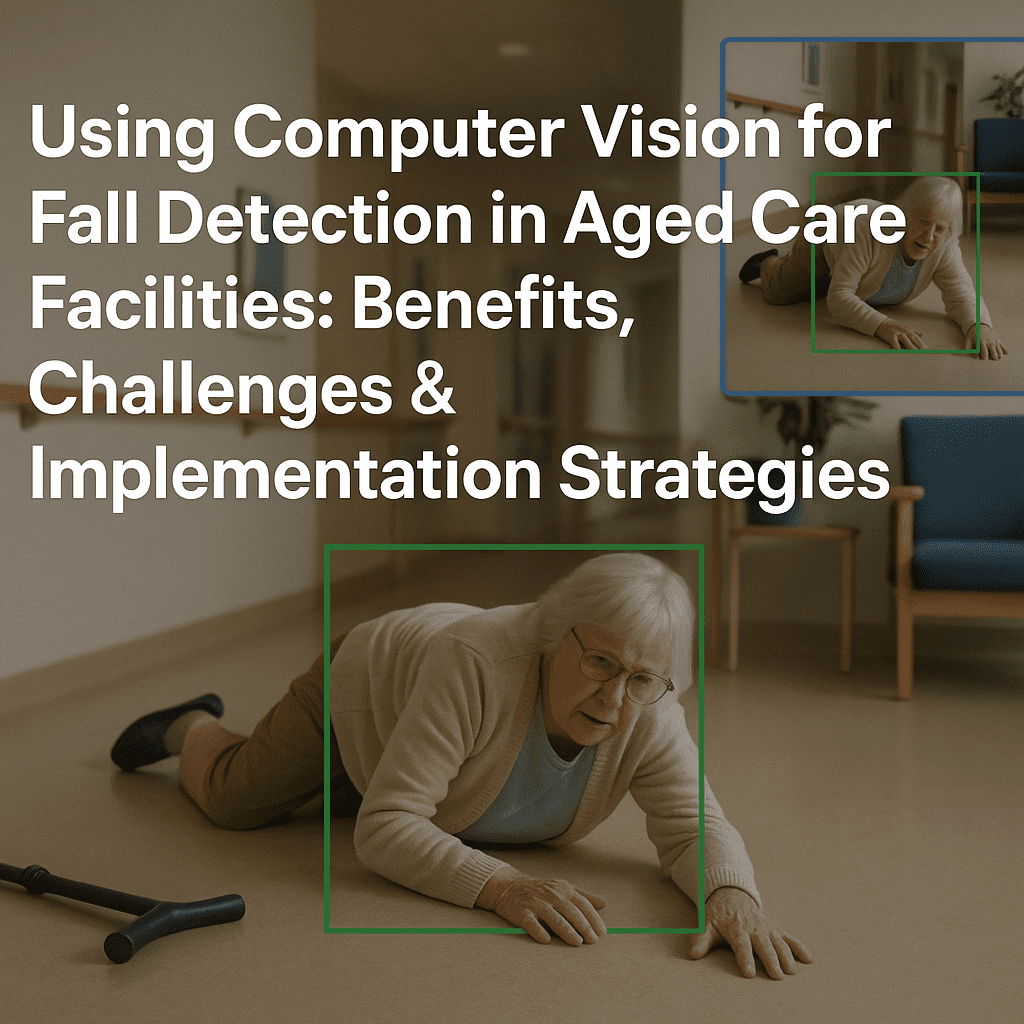
Computer vision means teaching machines to see and understand visual data. It uses cameras and artificial intelligence to study how people move. For fall detection, it looks at body posture, motion, and surroundings to tell if someone has fallen and sometimes why it happened.
Main technologies used in modern fall detection:
1. Depth cameras that record movement in 3D.
2. Motion and skeleton tracking to tell the difference between walking, sitting, or falling.
3. AI algorithms that help the system understand actions.
4. Edge computing that processes video on-site instead of in the cloud.
5. Privacy tools that protect people’s identities.
6. Infrared sensors that work in the dark.
7. Systems that combine data from cameras and floor sensors to improve accuracy.
8. Software that tracks detailed body positions.
9. Cloud and edge systems that balance speed and storage.
10. Self-learning programs that get better with time.
New advances have made these systems faster, more accurate, and more private.
4. Benefits of Using Computer Vision for Fall Detection
Computer vision may sound high-tech, but it can make real differences in care homes.
Here are the biggest benefits:
1. Continuous monitoring with no breaks or distractions.
2. Instant alerts when a fall happens, speeding up response time.
3. More accurate results than wearable devices.
4. Less stress on staff, allowing them to focus on real care.
5. Better safety for residents and fewer injuries.
6. Early warnings if someone’s walking pattern shows risk.
7. Easy connection with electronic health records.
8. Fewer false alarms.
9. Secure remote monitoring so families can stay informed.
10. Clear data that helps improve care and training.
Combining technology, care, and quick action creates a powerful way to keep seniors safe.
5. Key Challenges in Implementation
Even the best systems have limits. Bringing computer vision into real care facilities takes planning and care.
Main challenges include:
1. Mistakes in identifying real falls versus normal movements.
2. Finding the best camera placement around furniture or corners.
3. The need for strong computers to handle video in real time.
4. Protecting residents’ privacy and getting their consent.
5. Meeting legal rules about health data protection.
6. Explaining how AI decisions are made in a clear way.
7. Connecting new systems with existing nurse call tools.
8. Managing the cost of cameras and installations.
9. Training staff to use and trust the new tools.
10. Keeping systems updated and accurate over time.
These challenges can be solved with careful planning and teamwork.
6. Implementation Strategies for Success
To install a computer vision system safely and smoothly, facilities need a clear plan that focuses on both people and technology.
Helpful steps include:
1. Review the building layout, resident needs, and past incidents.
2. Choose cameras and equipment that fit your space.
3. Work with trusted software partners who know healthcare AI.
4. Make privacy a top priority by avoiding use of raw images.
5. Start small with a pilot project.
6. Connect alerts with existing staff systems.
7. Train staff on how to respond to alerts and protect privacy.
8. Talk with residents and families to build trust.
9. Check system performance often.
10. Keep improving based on feedback and data.
With a well-thought-out plan, fall detection can make care more proactive and supportive.
7. The Bigger Picture – Where We’re Headed
Computer vision is just the beginning. Soon, smart aged care systems could detect wandering, track recovery progress, and even sense emotions from movement.
This change fits right into the move toward smarter, kinder, and more efficient healthcare. At SMPLSINNOVATION, we’re excited to help healthcare providers use these tools in ways that make daily life safer and more comfortable.
If this helps seniors stay out of the hospital and spend more time enjoying life, that’s a future worth building.