Transforming Healthcare: The Impact of AI on Home Care for the Elderly
Date: February 4, 2024
By: SMPLSINNOVATION
I. Introduction
Our world is getting older. By the year 2030, one in six people around the world will be over 60 years old, according to the World Health Organization. This “silver surge” means there is a growing need for high-quality, easy-to-access, and affordable home care for seniors. Most older adults want to stay comfortable at home as they age, and technology can help make that possible.
Artificial Intelligence (AI) is becoming a key helper in healthcare. Think of it as a smart assistant that supports doctors, nurses, and families. AI can look at large amounts of health data, find important patterns, and even predict future health problems. It keeps learning and improving, just like experience does for people.
Over the past year, new AI tools have changed the way we care for seniors at home. From devices that track health to robots that offer companionship, AI is reshaping elder care.
AI is improving home care by predicting health risks, creating personalized care plans, and adding safety tools that help caregivers and seniors feel more confident and connected.
II. Current State of Home Care for the Elderly
Traditional elder care systems are struggling. Costs are high, caregivers are in short supply, and the number of seniors needing help is climbing fast.
Current Problems:
1. Caregiver Shortages: There aren’t enough trained caregivers to meet need.
2. Uneven Care Quality: Without good data, care can be inconsistent.
3. Limited Real-Time Monitoring: Slow responses during emergencies can be dangerous.
The Numbers:
– By 2050, more than 2.1 billion people will be over 60 years old (World Health Organization 2023).
– The home health technology market could pass 390 billion dollars by 2030 (Statista 2024).
– Around 80% of seniors prefer to stay in their own homes (AARP 2023).
Technology is now essential to help people stay independent, support caregivers, and handle the growing number of seniors needing care.
III. How AI Is Changing Elder Home Care
AI is powerful because it can personalize care, predict problems, and keep people safe. It is turning traditional home care into smart, connected care. Here are five ways AI is making a difference.
1. Predictive Health Monitoring
AI can spot small health changes before people notice them. For example:
– Predicting Falls: Wearable devices use AI to watch balance and walking patterns to warn of possible falls.
– Tracking Vitals: AI studies heart rate, sleep, and oxygen data to give early warnings.
– Managing Chronic Illness: AI finds signs of problems like heart failure or diabetes before they get worse.
A 2024 study from Nature Medicine found that AI-powered wearables reduced hospital visits for seniors by 22%.
2. Personalized Care Management
AI helps create care plans that fit each person’s needs.
– Custom Health Plans: AI uses behavior data to adjust diet, exercise, and routines in real time.
– Mood Detection: AI can sense stress or sadness from a person’s voice and alert caregivers.
– Medication Help: AI reminders make sure medicine is taken safely and on time.
SMPLSINNOVATION works with providers to connect these systems with electronic health records for smoother updates.
3. Smart Home Technology
Today, home devices can “talk” to each other to make life easier and safer for seniors.
– Safety Sensors: AI watches for unusual movement or changes in the environment.
– Robotic Helpers: Robots can help with simple chores like carrying items or adjusting the thermostat.
– Smart Lights and Temperature Control: Automatic systems keep homes safe and comfortable.
At CES 2024, new innovations from Japan and Scandinavia showed homes that learn to care for their residents.
4. AI Companionship and Mental Health Support
Loneliness is a major health issue for many older adults. Research shows it can be as harmful as heavy smoking. AI companions help reduce loneliness and support emotional well-being.
– Conversational Companions: AI chatbots can talk naturally and understand emotions.
– Emotional Awareness: AI adjusts its tone and responses based on a person’s mood.
– Daily Encouragement: AI coaches remind seniors to stay active, connect with others, and stay positive.
In 2024, a study from Stanford’s Digital Health Lab and MIT AgeLab found that seniors using AI companionship tools were 40% happier with their care experience.
5. Health Data and Privacy
Health data must be kept safe. New AI tools can handle sensitive information securely.
– Federated Learning: AI learns from different devices without moving personal data off them.
– Data Protection: Encryption keeps private health data safe.
– Smart Rules: New regulations like the 2024 EU AI Act push stricter safety standards.
These steps let seniors enjoy AI benefits without giving up their privacy.
IV. Ten Amazing AI Tools Changing Elder Care
1. Wearable Sensors: Track health changes before symptoms show up.
2. Smart Pill Dispensers: Deliver medicine and offer reminders.
3. Fall Detection Cameras: Work even without the internet connection.
4. AI Dashboards: Help caregivers track and act fast on risks.
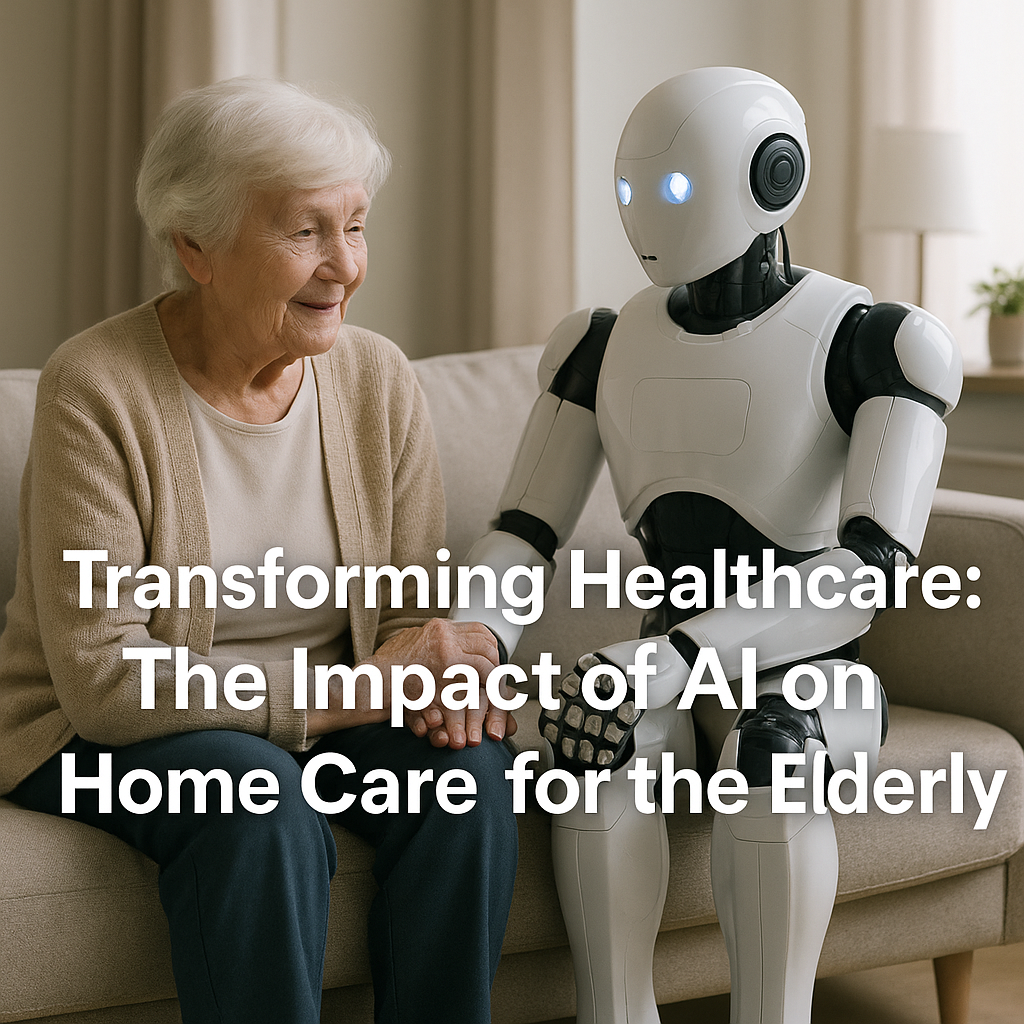
5. Companion Robots: Understand feelings and respond kindly.
6. Remote Therapy Platforms: Guide rehab exercises at home.
7. Voice Safety Systems: Let seniors call for help using speech.
8. Cognitive Trackers: Catch early signs of memory loss.
9. Smart Scheduling Tools: Help caregivers manage time better.
10. Personal Nutrition Assistants: Plan meals for healthy aging.
Each of these innovations helps seniors stay safe, independent, and connected to caregivers and loved ones.
V. The Road Ahead: Challenges and Opportunities
AI has great promise, but challenges exist.
– Data Security: Systems must stay protected from hackers.
– Tech Access: Seniors need easy-to-use devices.
– Ethics: Machines should support, not replace, human care.
Even with these challenges, AI can reduce stress for caregivers, improve health outcomes, and help seniors live with confidence and dignity.
VI. Conclusion
Elderly care is entering a new age powered by AI—an age where care is smarter, kinder, and more personal. From smart monitors to talking companions, AI is helping people live longer, healthier, and happier at home.
At SMPLSINNOVATION, we help healthcare organizations and tech teams build better systems and use AI safely and effectively.
Aging is not something to fear—it’s the next beautiful chapter in life. With AI, that chapter can be safer, more comfortable, and full of possibility.