The Future of Home Healthcare: Embracing Telehealth Technologies
By SMPLSINNOVATION
Published: February 6, 2024
I. Introduction: The New Era of Connected Care
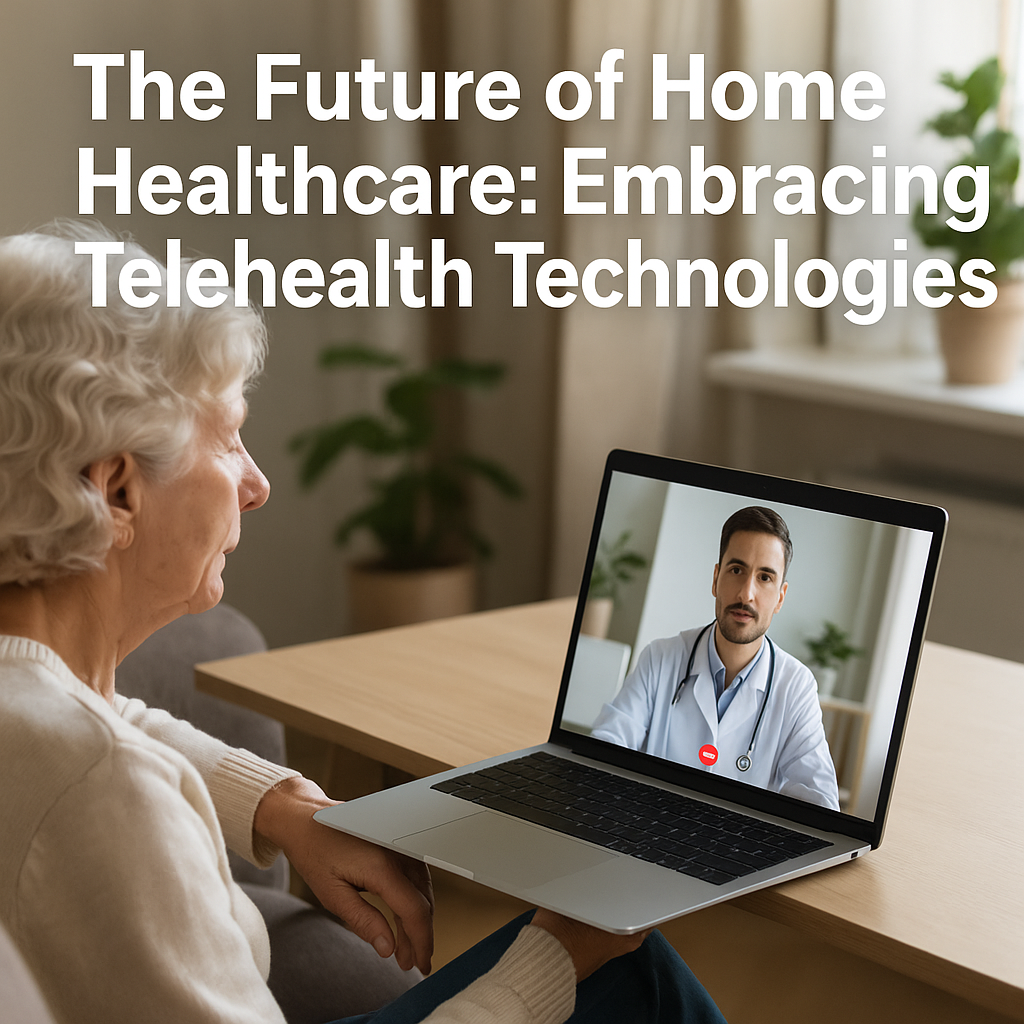
Welcome to a time when your living room can act like your clinic, just without the long waits or old magazines. From smart glucose monitors that alert your doctor before you even grab a snack, to friendly AI helpers reminding you to drink water, home healthcare is changing fast.
The pandemic didn’t just change how we shop or work. It pushed telehealth from something nice to have into something we can’t live without. Between 2020 and 2024, the number of telehealth visits exploded, making it a key part of modern care.
According to the U.S. Department of Health and Human Services, telehealth use is still seven times higher than it was before the pandemic. Better internet, virtual tests, and stronger support from health policies have turned home healthcare into something that’s here to stay, not just a short-term solution.
In short, healthcare has entered a digital-first era. Let’s look at what’s driving this change and how it’s improving care for everyone.
II. Key Drivers Accelerating Home-Based Telehealth
There’s not just one reason telehealth is growing. Here are ten main ones:
1. More Chronic Diseases
Millions of people live with ongoing conditions like diabetes and heart disease. Being able to track health from home makes care more convenient and consistent.
2. Fewer Healthcare Workers
With fewer doctors and nurses available, telehealth helps them reach more patients without being limited by location.
3. Lower Costs
Virtual visits can help cut down hospital stays and readmissions. Studies suggest telehealth could lower overall healthcare costs by up to 20%.
4. Supportive Policies
Government programs like Medicare now pay doctors the same for telehealth visits as in-person ones, encouraging more providers to use these tools.
5. Demand for Convenience
People want healthcare that’s easier and faster. Online visits and health apps make care fit into busy lives.
6. Expanding Access in Rural Areas
With better internet and 5G connections, people in remote locations can now see specialists without traveling far.
7. Aging Populations
More older adults want to stay in their homes. Smart devices like fall detectors and voice helpers are making that safer and easier.
8. Better Technology
Smart homes and connected devices are turning ordinary spaces into mini health hubs.
9. Smarter Use of Data
Wearables and apps can now spot problems early, helping people get care before small issues become emergencies.
10. Lessons from the Pandemic
COVID-19 showed how important it is to have flexible care options. Telehealth became a reliable way to keep care going.
III. Top 10 Emerging Telehealth Technologies Shaping Home Healthcare
1. AI-Powered Remote Monitoring Devices
Smart monitors can track things like blood pressure and blood sugar, understand changes, and alert doctors right away.
2. Wearable Biosensors
Watches and patches track heart rates, oxygen levels, and stress to help people monitor their wellbeing in real time.
3. Smart Home Integration
Your voice assistant could remind you to take your medicine or check your vitals.
4. Remote Imaging Tools
Portable devices let doctors see scans and test images instantly, no matter where you are.
5. Virtual Reality Therapy
VR games and exercises can make physical therapy more fun and engaging after injuries or surgeries.
6. Real-Time Translation for Telehealth
AI translators make it easier for doctors and patients who speak different languages to communicate clearly.
7. Cloud-Based Health Records
New systems make it easier for all your doctors to access your medical information safely and quickly.
8. 5G-Enabled Real-Time Exams
Faster connections allow doctors to view live images and data during virtual visits.
9. At-Home Lab Tests
You can collect samples and send the results to your doctor using digital uploads, without leaving your home.
10. Voice-Assisted Systems for Seniors
Voice-based helpers make telehealth simpler for seniors and can even offer friendly chats.
All these tools give people more control over their health and help doctors provide care quickly and easily.
IV. Data Privacy, Security, and Regulatory Compliance
All this new technology only works if people trust it. With sensitive health information being shared online, keeping data safe is essential.
1. Updated Regulations
New health data rules are making sure patients know how their information is used and can control who sees it.
2. Secure Home Networks
Devices now use strong encryption and identity checks to protect data from cyber risks.
3. Built-In Security
Developers design apps and devices with privacy in mind from the start, instead of fixing issues later.
4. Zero Trust Systems
Hospitals and home health networks use models that continuously verify users before giving access.
5. Educating Patients
Simple habits like updating passwords or software can keep health data safer.
V. What This Means for Healthcare Organizations
For healthcare groups and innovators, this change isn’t just about new gadgets. It’s about building systems that make care smoother, safer, and more personal.
Successful organizations will:
1. Use systems that share data easily between providers.
2. Train teams properly to use new technology.
3. Work with experienced tech partners like SMPLSINNOVATION to create safe, scalable solutions.
4. Use data responsibly to build trust.
5. Design technology that everyone can use, no matter their abilities or language.
VI. The Road Ahead
We’re still in the early stages of this journey. What comes next?
– Smarter, more personal care plans powered by AI.
– More international telehealth networks that connect patients and experts from all over the world.
– Home robots that help with daily care, medication, and mobility.
Experts predict telehealth could become a defining part of global healthcare, as long as equality, rules, and technology keep improving.
VII. Conclusion
Home healthcare is no longer just the future—it’s happening right now.
As telehealth continues to grow, patients gain independence, doctors reach more people, and the entire system becomes more sustainable. At SMPLSINNOVATION, we believe technology works best when it makes care feel human, combining data with compassion.
Here’s to a more connected, healthier world, where care doesn’t stop at hospital walls and your Wi-Fi might just be the hero of your health story.