The Role of Remote Patient Monitoring in Helping Older Adults at Home
By SMPLSINNOVATION – Health Technology Consulting
I. Introduction
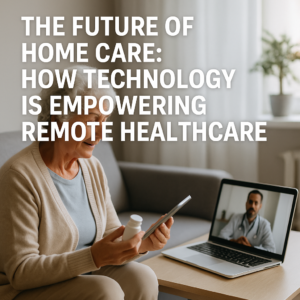
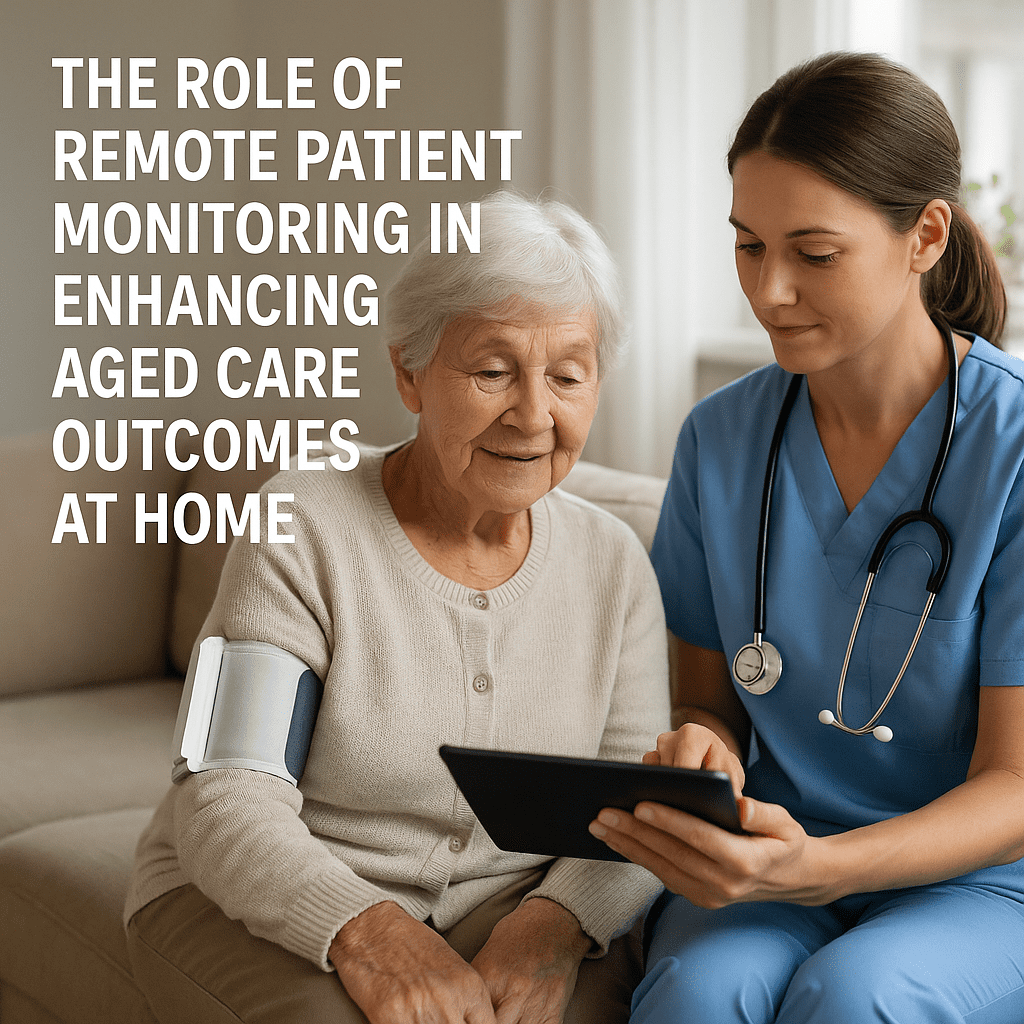
Getting older can be wonderful, but it sometimes needs a bit of tech help. That’s where Remote Patient Monitoring, or RPM, comes in. It uses wearables, wireless sensors, phone apps, and data dashboards to let health teams watch important signs and behaviors at home. It’s like having a tiny clinic in your living room that never closes.
The world’s population is getting older, and health systems are feeling the pressure. The World Health Organization says that by 2031, people over 60 will outnumber children under five. This means home-based care needs to grow and change quickly.
RPM fits perfectly with a newer way of care called value-based care. That means doctors and nurses focus on helping people stay healthy, not just treating them when they’re sick. It’s a mix of care, data, and kindness, all from the comfort of home.
II. The Growing Need for RPM in Aged Care
Remote Patient Monitoring is becoming very important for many reasons:
1. More older adults: By 2035, one in four adults in richer countries will be over 65.
2. More long-term illnesses: Around 70% of older people live with at least two chronic conditions, such as diabetes or arthritis.
3. Fewer health workers: There may be a shortage of 10 million healthcare workers by 2030. RPM helps extend their reach.
4. High costs: Care homes are expensive, but home monitoring can lower costs by about 25%.
5. Staying home: Over 85% of older adults want to stay in their homes rather than move into facilities.
6. Telehealth habits: After the COVID-19 pandemic, people became comfortable with remote care.
7. Policy support: Many countries now pay for RPM programs through health insurance.
8. Better technology: Cheaper sensors and faster internet make daily monitoring easy.
9. Helping the planet: Home care means fewer trips and lower emissions.
10. Independence: Older adults want control over their lives, and RPM helps them keep it.
III. Main Parts of Remote Patient Monitoring
RPM uses smart tools and software to keep people safe and healthy at home. Key parts include:
1. Wearables and sensors that track heart rate, oxygen, or movement all day.
2. Cloud platforms that collect the data so doctors can see it quickly.
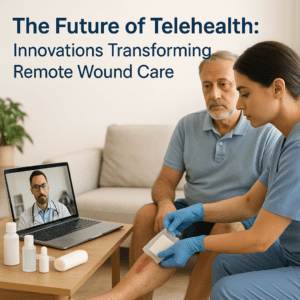
3. Telehealth visits that save time and travel.
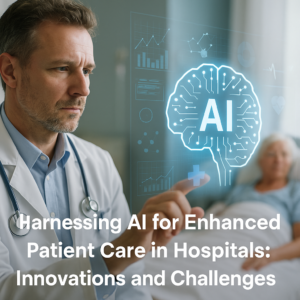
4. Artificial intelligence that spots early warning signs of problems.
5. Phone apps that make tracking health fun and easy.
6. Continuous glucose monitors that help people with diabetes.
7. Smart home devices that remind people to take medicine or drink water.
8. Smart pill boxes that alert users if they forget their medication.
9. Systems that share data safely between different healthcare programs.
10. Strong privacy and security steps to protect personal information.
All of these come together to make a digital safety net so older adults can live independently.
IV. How RPM Improves Health and Daily Life
Does RPM work? The answer is yes. Research shows many benefits:
1. Fewer hospital stays for people with chronic diseases.
2. Fewer emergency visits when health data is watched closely.
3. Better medication habits using smart reminders.
4. More involvement from patients, making them feel in control.
5. Better mental well-being since people feel supported and connected.
6. Longer independence at home before needing full-time care.
7. Programs using RPM have reduced falls and improved pain management.
8. Cost savings of around $1,200 a year per person.
9. Less stress for family members and caregivers.
10. Insurance programs rewarding doctors for keeping patients healthy at home.
RPM helps both health outcomes and peace of mind for everyone involved.
V. Challenges and Problems to Solve
There are still some issues to fix before RPM can work everywhere:
1. Some older adults need help learning technology.
2. Rural areas may not have good internet service.
3. Computer systems don’t always work well together.
4. Payment and coverage rules differ in many places.
5. Devices need to be checked often to stay accurate.
6. Doctors and nurses need training to manage all the new data.
7. Too much data can be confusing without smart software to sort it.
8. Some people worry about privacy and being watched.
9. Some healthcare workers may be slow to trust new technology.
10. Devices must be built and disposed of in a way that doesn’t harm the environment.
Even with these challenges, global health experts believe that with good design and training, RPM’s benefits outweigh its problems.
VI. The Future: Smart and Independent Aging
The future of aged care is smart, caring, and connected. Picture this: a smartwatch sends heart data to a nurse; a smart fridge suggests healthy meals; and an AI helper reminds Grandma to stretch. This is already happening today.
New features on the way include:
1. Wearables that track hydration, movement, and stress.
2. AI that predicts falls before they happen.
3. 5G networks that send health data instantly.
4. Digital companions that offer health tips and friendly chats.
5. Secure online health records using blockchain.
6. Voice technology that can detect sadness or stress.
7. Personalized care that adjusts alerts for each person.
8. Virtual reality programs that help with balance and recovery.
9. Dashboards showing caregivers how all their patients are doing.
10. Eco-friendly devices that save energy and can be recycled.
With these advances, older adults can stay safer, healthier, and happier at home—supported by smart technology and caring professionals.