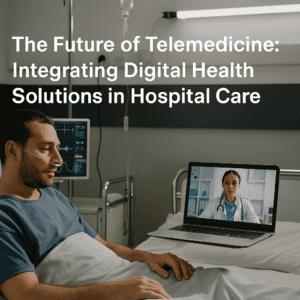
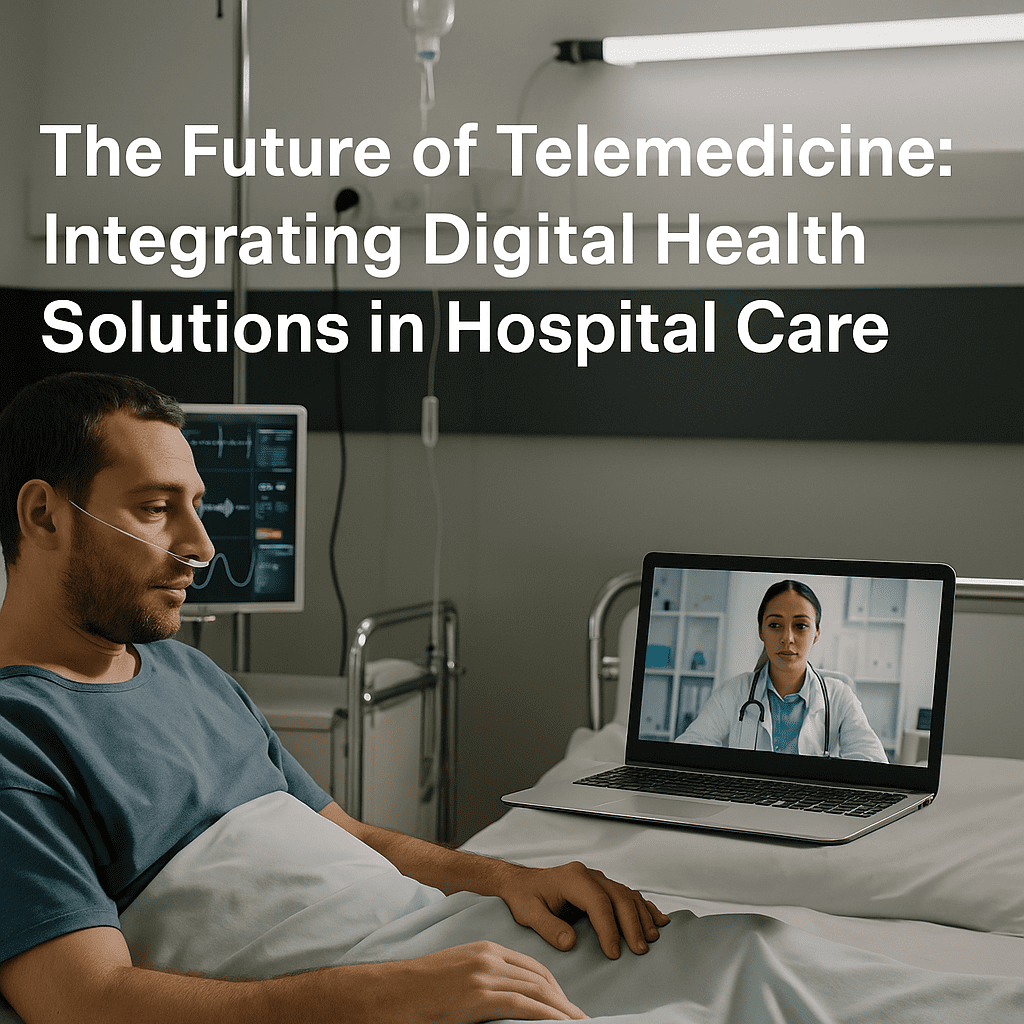
The Future of Telemedicine — Integrating Digital Health Solutions in Hospital Care
(As imagined by the coffee-loving, tech-crazy team at SMPLSINNOVATION — the group that believes the future of healthcare is already knocking on the Wi-Fi door.)
I. Introduction
Telemedicine has come a long way since the early “Zoom doctor” days of 2020. Back then, many doctors were just learning how to unmute their microphones during online checkups. Fast forward to 2024, and digital health has become a big, data-driven system that’s changing how hospitals care for patients.
Recent reports from the World Health Organization, The Lancet Digital Health, and NEJM Catalyst all say the same thing: virtual care is no longer a bonus. It’s now an important part of how hospitals work.
Hospitals are no longer treating telemedicine as a small, added service. They’re making it central to how they manage patients, use resources, and train staff. In short, care is becoming less about being in the same room and more about using digital tools to stay connected while keeping the human touch.
Let’s explore how this future is taking shape — and why integration is the key to making telemedicine grow and succeed.
II. Current Landscape of Telemedicine in Hospitals
According to global reports, more than 70% of hospitals now use at least one major telemedicine platform — a big jump from just 45% in 2021. The digital health market for hospital systems is also expected to reach 280 billion dollars by 2025.
Here are the top 10 updates shaping telemedicine in hospitals today:
1. Cloud-based electronic health records so doctors can access data anywhere.
2. AI tools that help doctors make faster and more accurate decisions.
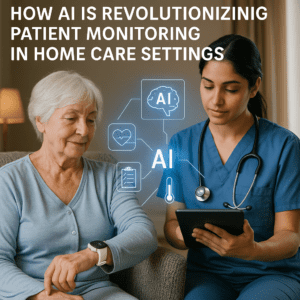
3. Remote patient monitoring using smart devices like watches and sensors.
4. Virtual ICU and tele-rounding systems that bring expert care to more hospitals.
5. Systems that work together securely and share data easily.
6. Mobile apps that help patients connect with doctors and care teams.
7. Hospital-at-home programs that bring hospital-level care into patient homes.
8. AI symptom-checker tools that guide patients before in-person visits.
9. Virtual rehab platforms that use games and motion tracking.
10. Expanded telehealth for mental health, making support easier to access.
Thanks to these innovations, hospitals are becoming faster, smarter, and more focused on patients.
III. How Digital Health Solutions Are Transforming Hospital Care
Using digital health tools with traditional care is not just convenient — it improves care quality and safety. These technologies help doctors make better decisions, avoid mistakes, and achieve better outcomes.
The secret to success is connecting all patient data — medical records, wearables, and test results — into one complete picture. This lets doctors see accurate, up-to-date information at all times.
Here are 10 key digital tools changing hospital care:
1. AI-based diagnostics that reduce errors by up to 40%.
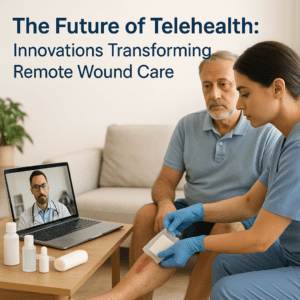
2. Smart image systems for clear, remote wound checks.
3. AI scheduling that helps hospitals use staff more efficiently.
4. Predictive tools that reduce wait times by planning ahead.
5. Virtual hospital simulations for training and performance reviews.
6. Blockchain systems that protect patient identities.
7. Real-time wearable data linked to hospital dashboards.
8. Smart medication reminders that track when pills are taken.
9. Telepathology and AI imaging for faster, more accurate test results.
10. Voice tools that let doctors speak rather than type their notes.
The result is less burnout for doctors, happier patients, and hospital systems ready to handle any challenge.
IV. Emerging Integration Models (2024–2025)
The days of small “pilot projects” are over. By mid-2024, major hospital groups like Mayo Clinic, Cleveland Clinic, and NHS Digital Health had launched large, successful telemedicine systems.
Here are 10 new integration models leading the way in 2024 and 2025:
1. Hybrid tele-rounds that combine AI summaries with video visits.
2. Digital control centers that give real-time updates across hospitals.
3. Cross-hospital emergency systems sharing quick medical advice.
4. Automated tools to collect patient feedback.
5. Virtual-first primary care where patients start with an online visit.
6. Teledermatology platforms for faster skin condition reviews.
7. AI assistants that help doctors during hospital rounds.
8. Digital rehab systems with motion tracking and live feedback.
9. Mental health tools built into emergency room workflows.
10. Smart discharge systems linking hospital care to at-home support.
These models are shaping how hospitals grow digitally while keeping care personal and human.
V. Challenges and Considerations
Of course, more technology also means more responsibility. Hospitals must focus on three main challenges:
1. Keeping data secure and private.
2. Making sure staff are trained and comfortable with new tools.
3. Ensuring systems from different vendors can work smoothly together.
To succeed, hospitals need strong change management plans and partners who understand both healthcare and technology.
VI. The Role of Partners Like SMPLSINNOVATION
At SMPLSINNOVATION, we help hospitals turn digital confusion into well-organized systems of patient care.
We support hospitals through:
1. Digital health strategy planning that follows global standards.
2. Interoperability consulting so all systems communicate effectively.
3. Workflow optimization to reduce repetitive tasks and improve care.
4. Change management and training to help staff adapt confidently.
5. Innovation pilots that test ideas and help them grow successfully.
Our goal is to help healthcare leaders not just keep up with digital change, but enjoy the journey.
VII. Conclusion
The future of telemedicine is already here — in hospital dashboards, patient apps, and even smart thermometers.
By using digital health solutions wisely, hospitals can offer care that is faster, safer, and more focused on patients.
As 2024 moves into 2025, the hospitals that stand out will be those that see telemedicine as a key part of what they do, not just an optional service. It’s time to make healthcare more connected, secure, and exciting.
And if you’re ready to bring this future into your own hospital, that’s exactly what SMPLSINNOVATION is here for. Grab a coffee, give us a call, and let’s build better digital healthcare together.