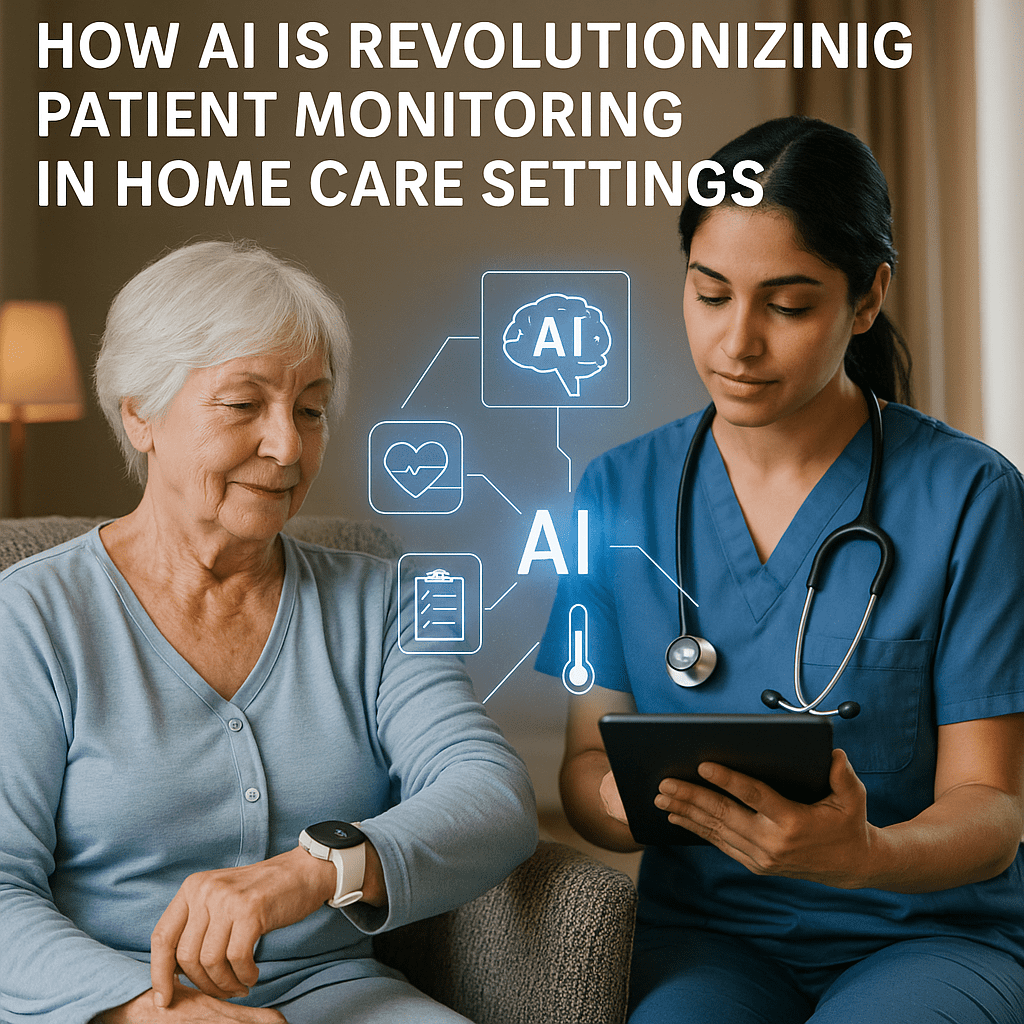
How AI is Changing Patient Monitoring in Home Care
By SMPLSINNOVATION | February 22, 2024
I. Introduction
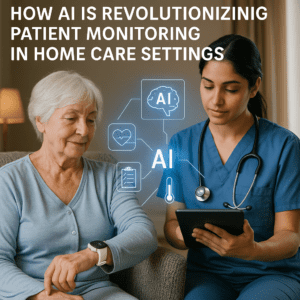
In the past few years, home healthcare has grown from an idea about the future into something real that helps millions of people. Remember when “remote monitoring” meant a nurse calling to ask for your blood pressure numbers? Those days are over. Today, artificial intelligence, or AI, is helping people manage chronic illnesses, recover after surgery, and even spot early signs of mental health issues, all from the comfort of home.
At SMPLSINNOVATION, we’ve been following this shift closely. The big change isn’t just the cool gadgets. What really matters is that AI can read and understand endless streams of data, predict problems before they happen, and update doctors without overloading them with too much information.
The Need for Smarter Home Monitoring
As the world’s population gets older and chronic illnesses like diabetes and heart disease become more common, hospitals are busier than ever. That’s why home monitoring is becoming so important. But watching over thousands of patients from a distance isn’t easy. This is where AI shines—by pulling together data, studying it, spotting patterns, and helping care teams act quickly when needed.
Main idea: AI-powered home monitoring is changing how healthcare works. It helps doctors give better care, lowers costs, and makes care easier to reach for everyone—including your tech-loving grandmother with a smart watch.
II. How Home-Based Monitoring Has Changed
1. From Simple Telehealth to AI-Powered Monitoring
During the pandemic, telehealth visits became very popular. After a few years, both patients and doctors wanted more than just video calls. AI took telehealth a step further by collecting information automatically from smart devices and turning it into useful insights so doctors can act early, not late.
2. Moving Toward Preventing Problems
The best health care doesn’t just react to problems—it stops them before they start. AI can now find small changes in heart rate, blood pressure, or movement that might mean something is wrong. It can even help predict falls or heart issues before they happen.
3. Policy and Investment
Governments and investors have also joined in. Programs like “AI for Aging Well” are focusing on helping older adults live safely at home. More funds are going into startups building smart systems that connect home devices with hospital records.
III. The AI Tools Making It All Work
Home monitoring depends on different kinds of AI working together like a team. These include:
1. Machine learning that finds warning signs from data.
2. Computer vision that can see if someone has fallen or if a room looks unsafe.
3. Natural language processing, which powers smart assistants that can check on patients or offer emotional support.
4. Predictive analytics that can guess when someone might be getting sick.
5. Edge AI in wearables, which gives instant alerts without needing an internet connection.
6. AI sensors that measure heart rate, oxygen, sleep, and other vital signs.
7. Federated learning that trains AI without sharing private information.
8. Explainable AI that helps doctors understand how predictions are made.
9. Systems that link with hospital records for a full picture of health.
10. Voice recognition that listens for signs of breathing trouble or stress.
SMPLSINNOVATION helps hospitals and home care programs choose the right mix of these tools and use them safely and responsibly.
IV. Real Examples of AI in Home Care
AI isn’t just an idea anymore—it’s already being used in many ways:
1. Wearable devices like Fitbit and Apple Health now alert users if their heart rhythm or oxygen level looks unusual.
2. Smart cameras in homes send alerts if someone falls or is inactive for too long, helping staff respond faster.
3. AI pillboxes remind patients to take their medicine and can message caregivers if a dose is missed.
4. Chronic disease management tools combine blood sugar, blood pressure, and symptom data so doctors can catch issues early.
5. Mental health apps look for signs of stress or sadness in voice and behavior and offer chat-based therapy.
6. Post-surgery sensors track healing and movement to make sure recovery is going well.
7. Nutrition apps use AI to suggest meals based on your body’s reactions to food.
8. Predictive alerts warn doctors about possible health declines, helping avoid hospital readmissions.
9. Smart home systems like Alexa Health connect air quality and light sensors to support breathing and sleep health.
10. Virtual physical therapy assistants use cameras to guide exercises and correct posture in real time.
All of these examples show the same thing: AI doesn’t replace people—it helps them. Doctors and nurses still lead the care, but now they have a digital helper that works around the clock.
V. Challenges and Ethics
Even though AI in health care sounds exciting, there are challenges to keep in mind:
1. Protecting privacy, since health data is very sensitive.
2. Making sure all systems can share data safely with hospital networks.
3. Avoiding bias in AI predictions by using accurate and fair data.
4. Helping patients feel comfortable and in control of their data.
5. Keeping humans involved so doctors can decide what alerts really matter.
At SMPLSINNOVATION, we believe in “responsible AI,” meaning technology should always serve people first.
VI. The Future of AI in Home Monitoring
What’s next?
– AI that uses voice, video, and health data together for a full picture of well-being.
– Systems that help whole communities stay healthy by finding patterns across groups.
– AI assistants that understand feelings and offer kind encouragement.
– Smart care plans that learn and adapt over time.
– Virtual and augmented reality therapy for physical or mental rehab at home.
The big goal is to create home care that learns about each person, respects privacy, and supports better living every day.
VII. Conclusion
AI isn’t taking over healthcare—it’s working alongside the people who give care. It helps spot problems early, gives personal advice, and connects home life with clinical care.
At SMPLSINNOVATION, we see AI as a teammate for doctors and patients, not a replacement. When used wisely, it helps make healthcare more proactive, more predictive, and more human.
So the next time your smart watch reminds you to move or take a deep breath, remember—it’s not just technology talking. It’s part of a smarter, more caring health system built for you.