The Future of Telemedicine in Aged Care — Innovations and Challenges
By SMPLSINNOVATION | Health Technology Consulting
I. Introduction
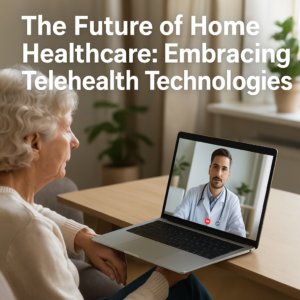
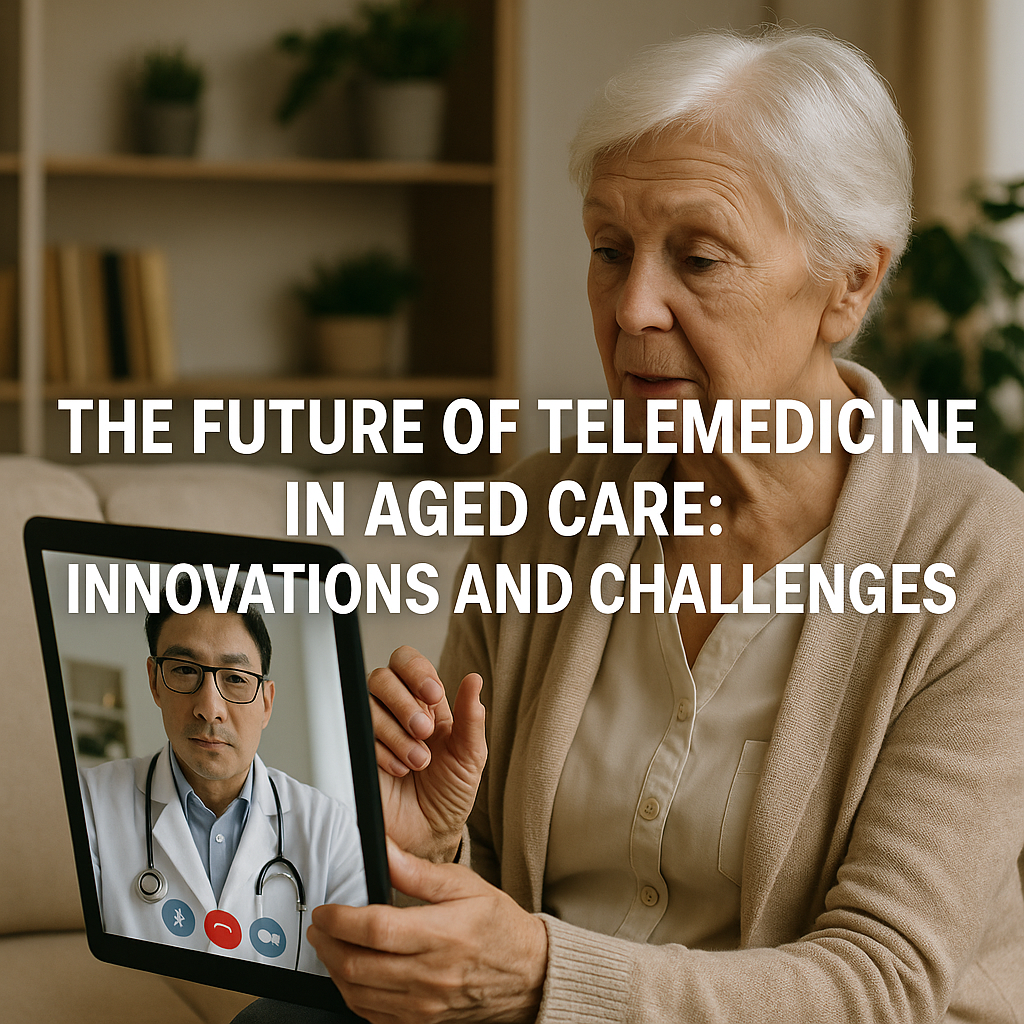
When was the last time you talked to your grandma on Zoom? If it was yesterday for her doctor’s appointment, then you’ve already seen what the future of healthcare looks like.
As more people get older, telemedicine is becoming more important than ever. Experts say the number of people aged 60 and older will almost double by 2050. This means health systems will have to handle a much bigger workload. Thankfully, new technology is helping. From video calls to smart devices, the tools available today are changing how older people get care.
Reports from big health organizations show that since the pandemic, telehealth use among seniors has gone up by more than 40 percent. What once felt like a young person’s tool is now helping older adults live healthier, more independent lives.
So what’s driving this big change in aged care? And what challenges do we still need to fix? Let’s look at the top innovations in telemedicine and the real-life problems that come with them.
II. Understanding Telemedicine in Aged Care
Telemedicine means getting healthcare remotely using technology. This can include video visits with doctors, digital health checks, or other online medical services.
In aged care, telemedicine is used for routine checkups, monitoring long-term illnesses, and even emergency alerts when someone falls.
Key Reasons Why Seniors Are Using Telemedicine
1. More chronic illnesses like diabetes and heart disease mean more ongoing care is needed.
2. There are fewer healthcare workers, so virtual visits help more people get care at once.
3. The pandemic showed everyone that virtual appointments work well, even for seniors.
After 2020, many hospitals and clinics shifted from in-person visits to hybrid models that mix digital and physical care. This makes it easier and less stressful for seniors to manage their health.
III. New Innovations in Aged Care Telemedicine (2023–2024)
Technology is moving fast, and aged care is growing right along with it. Here are some of the most exciting advances:
A. Technology Innovations
1. Smart remote monitoring that uses AI to track health signs and warn doctors of changes early.
2. Wearable sensors and smart homes that track health and safety around the clock.
3. Virtual reality therapy for balance training and recovery after strokes.
4. Predictive data programs that can warn doctors about risks like heart failure or falls.
5. 5G networks that make it possible to share real-time medical data quickly and clearly.
6. Smart pill helpers that remind seniors to take medicine and let caregivers know if a dose is missed.
7. Robots that support daily living, remind patients about appointments, or assist with movement.
8. Voice-activated helpers like smart speakers that answer health questions.
9. Digital memory and brain-training apps that support mental health and prevent decline.
10. Automatic fall detection systems that alert caregivers if someone gets hurt.
B. Clinical and Administrative Innovations
1. Remote evaluations that help doctors check seniors’ memory, mood, and strength through video.
2. Improved systems that let hospitals and caregivers easily share patient information.
3. Online mental health sessions to help seniors manage loneliness, depression, and worry.
IV. Challenges in Telemedicine for Aged Care
Even with amazing new technology, there are still problems to solve:
1. Some seniors aren’t comfortable using technology or don’t understand how it works.
2. Cybersecurity is a concern—private data must stay safe.
3. Payment systems and rules differ across regions and can be confusing.
4. Rural areas often lack strong internet connections.
5. Health systems still struggle to connect old programs with new ones.
6. Family caregivers may need to act as tech support, adding stress.
7. Artificial intelligence can show bias or hide how it makes decisions.
8. Some health checks still need an in-person visit.
9. Too many apps and tools can overwhelm users.
10. There’s still no set standard to measure telemedicine quality.
V. Policy and Regulation Updates (March 2024)
Some good news: governments and organizations are taking telemedicine seriously.
– Medicare and Medicaid are keeping flexible telehealth payment options through 2024, helping rural seniors get better virtual care.
– Health authorities are strengthening privacy rules and setting clear standards for AI use in medicine.
– The World Health Organization is encouraging fair access, simple design, and ethical technology use worldwide.
For companies like SMPLSINNOVATION, following these policies helps build safe, trustworthy healthcare tech.
VI. SMPLSINNOVATION and the Road Ahead
At SMPLSINNOVATION, we think telemedicine in aged care should be smart and caring. Our goal is to help healthcare providers use technology that improves results and makes life better for older adults.
Predictions for the Next 10 Years
1. Telemedicine will become part of everyday care, not something special.
2. Virtual helpers will learn to understand emotions and respond with empathy.
3. Health systems will connect everything—nutrition, mental health, and checkups—into one simple platform.
How Leaders Can Prepare
– Make sure systems can share information easily.
– Teach seniors and caregivers how to use digital tools.
– Create technology that is fair, open, and easy to use.
VII. Conclusion
The future of telemedicine in aged care is bright, exciting, and sometimes challenging. It combines compassion with technology, helping seniors live better and longer lives.
From AI programs that spot health problems early to robots that help with reminders, these tools make care more personal and effective. Moving forward, good design, strong ethics, and a little humor will go a long way.
At SMPLSINNOVATION, we’re helping healthcare organizations and policymakers create connected, trusted systems for seniors. Every video call, alert, or digital signal can make life safer and more enjoyable for older adults.
© 2024 SMPLSINNOVATION. All rights reserved. For more information, visit SMPLSINNOVATION.com.