Telemedicine in Rural Hospitals: Bridging the Gap with Advanced Technology
By SMPLSINNOVATION — Making healthcare innovation look simple, because that’s literally in our name.
1. Introduction
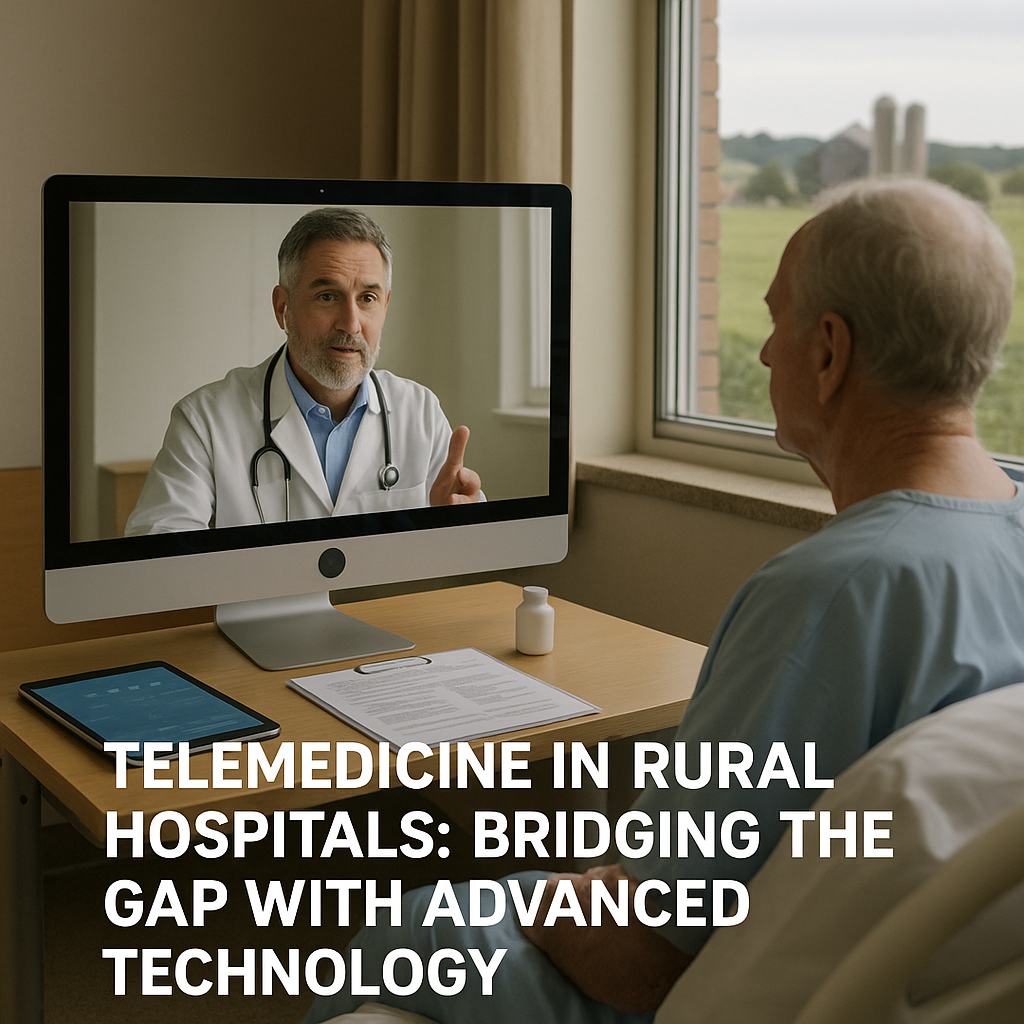
Imagine a patient living in a beautiful rural town with rolling hills, clean air, and a two-hour drive to the nearest heart doctor. That’s real life for millions of people. Rural communities all around the world struggle with limited access to healthcare. The World Health Organization’s 2024 Digital Health Report says this gap is growing larger as most specialists stay in big cities. The CDC’s 2024 Rural Health Update also shows that people in rural areas are 25% more likely to die early from diseases that could have been prevented.
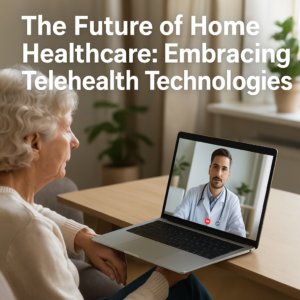
That’s where telemedicine comes in. Telemedicine has gone from a distant idea to a powerful tool that uses video and AI to connect patients with doctors far away. The goal is simple: make healthcare feel just one click away. SMPLSINNOVATION loves seeing how technology and creative thinking are helping bring care to people who used to live too far away to reach it easily.
2. Understanding the Rural Healthcare Gap
Before we throw a celebration, let’s look at what rural hospitals are really facing.
Key Statistics (HRSA Data, 2024):
– Rural areas have only 39 primary care doctors for every 100,000 people, compared to 79 in cities.
– Many counties have no local baby doctors, psychiatrists, or heart specialists.
– Rural emergency rooms face 20% longer delays when patients need specialty care.
These numbers represent more than data—they tell the story of people dealing with delayed care, missed diagnoses, and preventable hospital stays.
The Biggest Challenges for Rural Hospitals in 2024
1. Not enough healthcare workers. It’s hard to convince new doctors to move to small towns.
2. Distance and transportation issues. Beautiful views don’t help when you need an ambulance fast.
3. Older hospital buildings with limited equipment.
4. Weak internet connections that make virtual care difficult.
5. Aging populations dealing with several long-term health problems.
The gap isn’t just about how far patients live from hospitals—it’s also about technology, access, and social differences.
3. The Growth of Telemedicine in 2024
Telemedicine may have started years ago, but now it’s smarter and faster than ever.
History of Telemedicine
It began with clunky video systems that connected hospitals to small clinics. Today, we have AI-supported diagnostics, wearable health devices, and cloud-based platforms that make care delivery seem almost futuristic.
Recent Policy Changes (2023–2024)
1. Medicare made several telehealth payment expansions permanent in 2024, which is a big win for rural hospitals.
2. New HIPAA guidance gave clearer rules for how doctors can safely use cloud tools for virtual visits.
3. The FDA approved the first group of AI tools to help with medical diagnoses online.
How Telemedicine is Making a Difference
A 2024 study across U.S. hospitals showed that when telemedicine was available:
– Appointment attendance went up by 31%.
– Patient satisfaction grew by 45%, especially in rural areas.
– Hospital readmissions dropped by 12%.
Telemedicine used to be a backup plan. Now it’s part of everyday healthcare, especially in rural hospitals.
4. Ten Technologies Changing Rural Telemedicine
These tools are helping make care faster, easier, and closer than ever before.
1. AI tools that help read medical images quickly and accurately.
2. Remote Patient Monitoring for tracking heart rate, blood pressure, and blood sugar from home.
3. 5G internet for smoother video calls even in remote places.
4. Smartwatches and sensors that send health updates straight to the doctor.
5. Cloud-based patient records that different hospitals can access securely.
6. Virtual ICUs where expert doctors watch over patients from far away.
7. Robots that let doctors move around and talk to patients through a screen.
8. AI translators that help patients and doctors speak different languages.
9. Online therapy and mental health platforms.
10. Blockchain technology that keeps patient information safe.
All these innovations turn distance into opportunity. For rural hospitals, they help turn challenges into progress.
5. How Rural Hospitals Use Telemedicine
Rural hospitals use many different models to bring telemedicine to life.
1. One main hospital connects to smaller clinics in a hub-and-spoke model.
2. Two or more hospitals share telehealth systems and specialists.
3. Specialists serve several small towns through shared networks.
4. Mobile telehealth vans travel to remote areas.
5. Public and private partnerships provide funding and equipment.
6. Universities connect research and training with rural hospitals.
7. Community centers and libraries host digital health kiosks.
8. Tele-emergency systems allow quick access to trauma experts.
9. Pharmacists in small towns can consult with specialists remotely.
10. Local churches and non-profits help spread awareness about telehealth.
This shows that telemedicine isn’t a single solution—it’s a flexible system that can adapt to each community’s needs.
6. Challenges and Ethical Questions
Even great technology comes with roadblocks.
Current Problems
1. Poor internet connections in many rural areas.
2. Different rules for doctor licensing between states or regions.
3. Safety concerns about data and privacy.
4. Some patients are unfamiliar with technology.
5. Many people still prefer talking to their local doctor face-to-face.
Ethical Responsibilities
Telemedicine must always be fair, private, and safe. Technology can help, but trust is what makes telemedicine truly successful. Open communication and patient consent matter most.
7. What’s Next for Rural Telemedicine
By 2030, experts believe that 40% of doctor visits in rural areas will happen through telemedicine. With new tools like AI home exam kits, faster satellite internet, and smart systems that learn from patient data, healthcare in rural areas will keep improving.
At SMPLSINNOVATION, we believe the future belongs to people who combine big ideas with practical solutions. Our next mission is to help hospitals build smart systems that bring telemedicine into every part of care—not just as an option, but as a foundation.
8. Final Thoughts: From Distance to Connection
Rural hospitals aren’t just keeping up—they’re moving ahead. Telemedicine is turning miles into moments and replacing isolation with connection.
At SMPLSINNOVATION, we love helping healthcare teams make technology simple. Whether it’s setting up AI tools, improving remote workflows, or building patient-friendly digital systems, we turn complex problems into clear solutions.
Here’s to a world where where someone lives doesn’t decide the quality of care they get.
SMPLSINNOVATION: Because innovation doesn’t have to be complicated—it just has to be smart.