Sustainable Living: How to Build an Eco‑Friendly Home
By SMPLSINNOVATION — where health tech meets green living (and maybe a few puns about solar panels).
1. Introduction: The Rising Demand for Sustainable Homes
Sustainable homes are not just a trend anymore — they are the future of living responsibly in 2024. With wildfires, heat waves, and rising energy costs, more people are realizing that building green homes isn’t about living in a treehouse. It’s about creating smarter, cleaner, and healthier spaces.
The World Green Building Council says that green homes now make up more than one‑fourth of new houses around the world. The International Energy Agency also reports that homes built with sustainable design can cut energy use by up to 70 percent. That saves both the planet and your wallet.
Why are people switching to green homes?
– Cost savings: Energy‑efficient homes are cheaper to heat, cool, and maintain.
– Health benefits: Clean air and natural light make people feel better.
– Environmental impact: Using green materials and renewable energy lowers your carbon footprint.
At SMPLSINNOVATION, we focus on health technologies — but health and sustainability go together. An eco‑home is like a life tool that helps both you and the planet stay well.
2. Planning Your Eco‑Friendly Home Build
Good planning makes a big difference before you start building. It’s not about bigger homes, but better homes.
Understanding Sustainable Design
Here are the main parts of a truly eco‑friendly home:
1. Passive solar design – Using sunlight to help with heating and lighting.
2. Site orientation – Placing your home to get the best sunlight and natural breeze.
3. Compact design – Building spaces that fit your needs without waste.
4. Thermal mass – Using materials that hold and release heat to keep a steady temperature.
5. Natural ventilation – Placing windows for fresh air instead of relying on air conditioning.
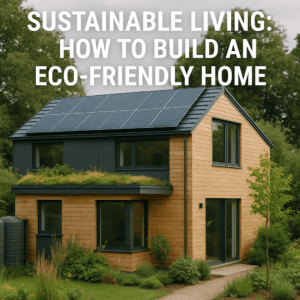
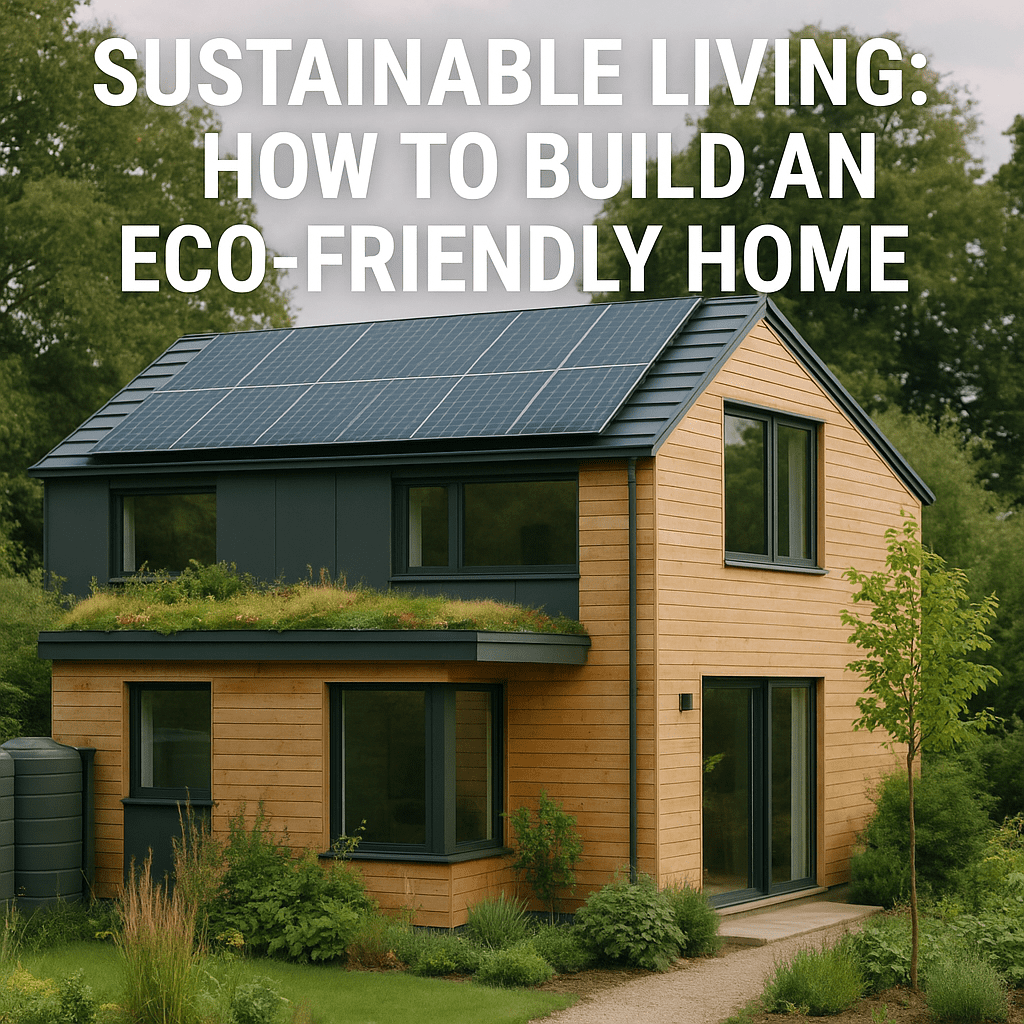
6. Green roofs and walls – Add insulation, absorb rainwater, and look amazing.
7. Adaptable spaces – Rooms that can change as your life changes.
8. Biophilic design – Bringing nature indoors with wood, plants, and light.
9. Lifecycle thinking – Planning for the home’s long‑term use and reuse.
10. Smart tech integration – Using sensors and meters to track and save energy.
Certifications to Look For
After you build, getting certified shows your commitment and can even earn you tax benefits.
– LEED: A U.S. system that tracks energy use and green design.
– BREEAM: A European system focused on energy and water savings.
– Passive House: A top standard for airtight, super‑efficient homes.
Getting certification is like earning an eco‑score that proves your home’s value.
3. Sustainable Building Materials for 2024
The materials you choose matter. New options make building green easier and more stylish.
1. Hempcrete – Light, breathable, and good for the air.
2. Cross‑laminated timber – Renewable, strong, and beautiful.
3. Recycled steel – Reuses old metal and adds strength.
4. Bamboo – Grows fast and looks natural and modern.
5. Mycelium bricks – Made from mushrooms and compostable.
6. Low‑VOC paints – Healthier for you and the environment.
7. Reclaimed wood – Reuses old wood and adds character.
8. Cork and rubber flooring – Bouncy, quiet, and durable.
9. Aerogel insulation – Keeps homes warm with amazing efficiency.
10. Recycled glass countertops – Colorful, strong, and eco‑friendly.
These materials help make homes cozy, smart, and kind to nature.
4. Energy Efficiency: Powering an Eco‑Friendly Home
A real green home uses energy wisely. New technology in 2024 makes saving energy easier than ever.
1. New solar panels with high efficiency.
2. Solar roof tiles that look sleek.
3. Small wind turbines for windy areas.
4. Heat pumps that warm and cool naturally.
5. Smart batteries that store extra energy.
6. Smart thermostats that learn your habits.
7. Greywater heat recovery units to reuse heat from showers.
8. Vacuum‑insulated windows that keep in heat and block noise.
9. Community microgrids so neighbors can share clean power.
10. Electric car systems that can power your home too.
Now, homes can create, store, and manage their own energy — almost like having their own little power station.
5. Water Conservation Strategies
Water is life, and saving it helps everyone. An eco‑home makes sure no drop is wasted.
1. Rainwater systems that collect water for gardens or toilets.
2. Greywater reuse for sinks and showers.
3. Low‑flow taps and toilets to save gallons every day.
4. Drought‑resistant plants that stay green with little water.
5. Smart sprinklers that stop when the soil is wet enough.
6. Permeable driveways that let rain soak into the ground.
7. Water‑saving dishwashers and washing machines.
8. Dual‑flush toilets that give you a choice of how much water to use.
9. Local plant gardens that need less care.
10. Leak detection systems to stop waste before it starts.
Each small change adds up to huge savings in water and bills.
6. Smart Home Tech That Supports Sustainability
Smart tech now helps people live greener without much effort.
1. Energy dashboards that show how much power you use.
2. Voice‑controlled lights that turn off automatically.
3. Blinds that adjust to sunshine.
4. Apps to turn off appliances remotely.
5. Air sensors that check for clean air.
6. Water leak sensors that stop waste early.
7. Solar and battery systems that work together.
8. Smart composting that makes recycling easy.
9. HVAC systems that adjust to who’s home.
10. EV chargers that charge when green energy is available.
Your home can now think green for you, giving you more time to relax.
7. The Health Connection: Why Green Homes Are Good for You
At SMPLSINNOVATION, we love showing how good design helps health and the planet. Green homes:
– Improve air quality with clean materials and ventilation.
– Bring in more natural light that lifts your mood.
– Reduce stress by connecting you to plants and nature.
– Keep out harmful chemicals found in older building materials.
A sustainable home doesn’t just save money or the earth — it also helps you live a happier, healthier life.