
Remote Patient Monitoring in Home Care: Improving Outcomes with IoT and Predictive Analytics
By SMPLSINNOVATION
1. Introduction
We are now living in a time where technology can do more than help your houseplants grow. It can also help people stay healthy at home. The idea of home care is changing from only reacting when someone feels sick to using data to stay healthy and prevent problems.
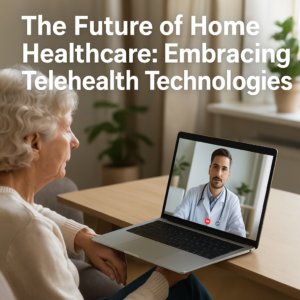
Remote Patient Monitoring, or RPM, means collecting health information from patients outside of hospitals or clinics. This is done through smart devices like watches, medical tools, and home sensors. These tools let doctors monitor patients from far away while everyone stays comfortable at home.
Why It Matters Now
Recent reports show that more than 65% of healthcare providers in the United States now use some kind of connected RPM system. Just a few years ago, that number was only about 30%. Worldwide spending on healthcare IoT is expected to reach 300 billion dollars by the end of 2024. Home care is the fastest-growing part of this growth.
This post explains how IoT (Internet of Things) and predictive analytics help people live healthier lives and improve patient care — all from the comfort of home.
2. The Rise of IoT in Home-Based Healthcare
If your smartwatch tracks your steps and reminds you to drink water, you already know how IoT is changing health care. Now imagine that same kind of technology helping millions of people. Connected care is quiet, simple, and powerful.
Smart Health Devices: The New Continuum of Care
Today’s RPM systems often include:
– Wearable devices that measure heart rate, blood oxygen, or blood sugar levels
– Smart beds that track sleep, temperature, and breathing
– Connected medical tools like digital stethoscopes, scales, and blood pressure monitors
These tools don’t just show numbers. They help create a full picture of a patient’s health, which doctors can study and respond to right away.
Healthcare IoT: Market Overview for 2024
Experts say spending on healthcare IoT is growing by more than 20% each year and could reach about 305 billion dollars globally. Home health care makes up almost one-third of that spending, showing that the home really is becoming the new center of healthcare.
Key Technology Drivers Behind the Boom
Several advances are making this growth possible:
1. Affordable sensors make devices cheaper to use.
2. Better connectivity like 5G and edge computing allows real-time data.
3. AI helps devices work more smoothly and need less setup.
4. Longer-lasting batteries mean devices can run for weeks.
5. Improved cybersecurity keeps patient data safe.
6. Common standards let devices “talk” to each other.
7. Better designs make devices easier and more comfortable to wear.
8. Safer, closer data storage improves privacy.
9. Flexible digital connections help devices from different companies work together.
10. Constant software updates keep devices secure and up-to-date.
IoT for home care is much like streaming services replacing cable TV — smarter, faster, and more personal.
3. Predictive Analytics: From Monitoring to Prevention
If IoT is the body of RPM, predictive analytics is the brain. It turns information from devices into useful warnings and helps stop health problems before they happen.
What Is Predictive Analytics in RPM?
It is where computer science meets healthcare. Algorithms look at all the health data gathered by IoT devices and find early warning signs. They can then alert doctors before an emergency occurs.
Research shows that hospitals using predictive RPM systems have seen fewer unplanned readmissions and better medication use by patients. This means people stay healthier and feel more secure.
Practical Examples of Predictive RPM
1. Finding patients at risk of being readmitted.
2. Catching early signs of chronic illnesses getting worse.
3. Spotting small health changes before they become serious.
4. Predicting when patients might skip their medicine.
5. Giving personalized care tips.
6. Finding common patterns among patients.
7. Reducing false alarms that can stress caregivers.
8. Warning about possible falls or mobility issues.
9. Combining genetic data with lifestyle habits for more precise care.
10. Supporting better doctor decision-making remotely.
With analytics, RPM moves beyond just collecting data. It becomes about predicting and preventing — truly proactive healthcare.
4. Integration into Home Care Systems
Technology helps most when everything works together. In healthcare, this means making sure data travels safely and reaches the right people at the right time.
Designing a Complete Workflow
Here’s how a typical RPM system works:
1. A device collects health data like heart rate or movement.
2. The data travels safely through a secure system.
3. The data is filtered and encrypted to protect privacy.
4. Predictive tools study the data for insights.
5. Doctors and nurses see the results on their dashboards.
6. Patients receive feedback or reminders on their devices.
This cycle creates a strong connection between patients and caregivers, making care more personal and continuous.
EHR Integration and the Future with FHIR
Connecting RPM systems with electronic health records has been a challenge, but now new standards like FHIR (Fast Healthcare Interoperability Resources) are making it easier. More healthcare systems are focusing on linking patient-approved data directly to medical records while keeping privacy, consent, and safety in mind.
Best Practices for Integration
1. Use systems that can easily connect through APIs.
2. Let patients control who can see their data.
3. Use secure, cloud-based systems.
4. Give different access levels to different team members.
5. Monitor device performance to prevent downtime.
6. Keep data displays clear and simple for doctors.
7. Detect errors quickly.
8. Keep full records of data sharing.
9. Use backup systems to protect important data.
10. Perform regular security checks.
When done right, integration turns remote monitoring into a reliable and active part of personalized home care.
5. The Future of Home Care: Personalized and Predictive
As IoT, predictive analytics, and data sharing continue to grow, home care is becoming more connected and patient-friendly than ever before. The line between hospitals and homes is fading, creating a system that is smart, supportive, and easy to use.
In the future, we’ll likely see:
– Smart assistants powered by AI that predict care needs
– Shared data models where patients and providers work together
– Wellness systems that combine medical care with healthy living
At SMPLSINNOVATION, we believe technology should make care simpler, not more stressful. Every smart device and every data point we connect works toward one goal: helping people live healthier lives with easier systems.