Leveraging AI for Better Patient Care at Home
By SMPLSINNOVATION
(Publication context: Data and research through May 2024, referencing insights from JAMA Network Open, Nature Medicine, and Healthcare IT News)
I. Introduction
Imagine this: Grandma’s smartwatch gives a gentle alert before she even feels dizzy, telling her nurse that a heart problem might be coming. No sirens, no rush—just smart, caring help from artificial intelligence at home.
People everywhere are living longer and prefer staying healthy in the comfort of their homes instead of hospitals. The need for personal, efficient, and data-based home care has never been higher.
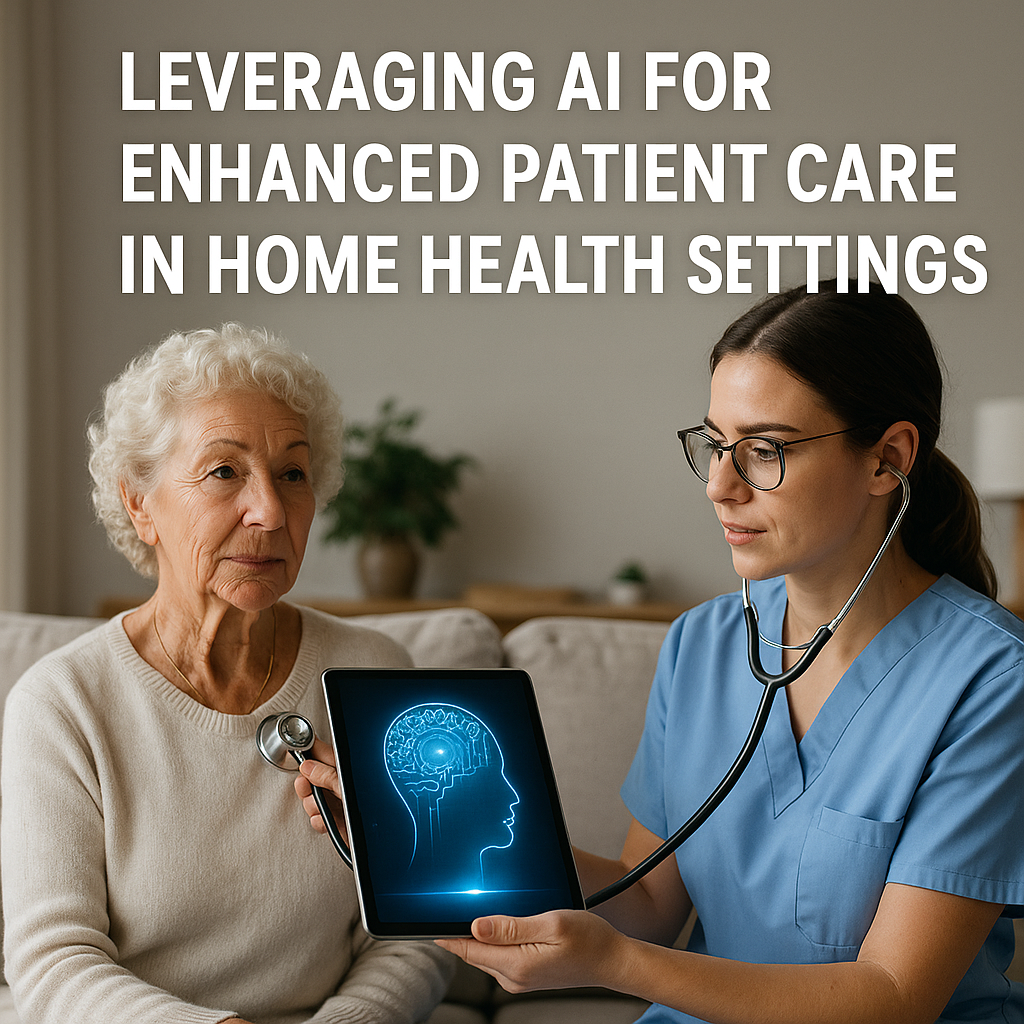
That’s where AI comes in. It’s like the stethoscope of today’s digital world. AI can read data from wearables, remind people to take their medicine, and help caregivers respond before things get serious.
In this post, SMPLSINNOVATION shares the latest research, examples, and simple steps to use AI for home health care—along with a few smiles.
II. The Current State of Home Health Care
Home health care has been changing for years, even before AI got popular.
1. Old models had nurses or caregivers visit homes, take notes, and check on patients. It worked, but it was slow and reactive.
2. Some important signs, like small changes in movement or breathing, often went unnoticed between visits.
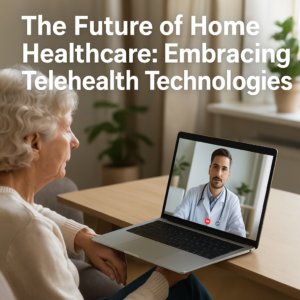
3. The COVID-19 pandemic made telehealth common, moving care closer to home.
4. In 2024, many countries added payment support for remote monitoring. In the U.S., CMS approved coverage for AI devices used at home.
5. Global investments in AI home health start-ups reached 4.8 billion dollars, up 34 percent from the previous year.
Home health care is now growing fast, and AI is helping it rise even higher.
III. How AI Is Changing Home Health Care
AI is not one giant machine taking over jobs. It’s a set of smart tools that help caregivers make better decisions. Here are ten ways it’s doing that:
1. Predictive analytics can spot health risks before symptoms show up.
2. Natural language tools write visit summaries and highlight key health words.
3. Computer vision can see fall risks or changes in the way someone walks.
4. Remote monitors send data from wearables to alert care teams of changes.
5. Decision support tools help nurses adjust medicines safely.
6. Virtual assistants remind patients to take medicines and offer encouragement.
7. Digital twins let doctors test different treatments on a virtual copy of a patient.
8. Better record sharing now allows AI tools to work across many systems.
9. AI planners create efficient schedules for home care nurses.
10. Chronic care tools help manage diseases like diabetes and heart problems by learning each person’s normal health pattern.
All these tools turn scattered data into smooth, caring teamwork at home.
IV. Real-Life Examples (2023–2024)
Here’s what’s already happening in homes around the world:
1. Smartwatch AI cut readmissions for heart patients by 30 percent.
2. Fall prediction tools for seniors reached 90 percent accuracy, alerting caregivers early.
3. New CMS rules now pay for AI-based remote monitoring.
4. Chatbots helping nurses with triage saved 25 percent of response time.
5. Coaching apps boosted medication and nutrition follow-through by 40 percent.
6. Smart cameras and AI now check wound healing at home.
7. After-stroke rehab tools guide exercises using motion sensors.
8. Home sensors can spot sleep or movement changes that hint at depression.
9. Voice analytics detect breathing trouble before oxygen levels fall.
10. Smart pillboxes remind patients and notify nurses when doses are missed.
These stories show how AI is already making home health safer and smarter.
V. Ethics and Rules
Using AI responsibly is just as important as making it powerful. Here’s what matters:
1. Protect privacy and keep patient data safe.
2. Follow laws requiring AI systems to explain their decisions.
3. Use diverse data so AI doesn’t become biased.
4. Keep people in charge—AI should help, not replace, caregivers.
5. Secure all devices against hackers.
6. Only record what is needed, with full consent.
7. Share data fairly between systems.
8. Explain clearly to patients how AI helps in their care.
9. Make AI tools affordable so everyone can benefit.
10. Keep testing and updating AI to make sure it stays safe and reliable.
We call these our “10 Rules for Responsible AI,” no stone tablets needed!
VI. The Business Benefits
AI helps patients and also helps healthcare organizations. Here’s how:
1. Smarter scheduling saves time.
2. Fewer readmissions mean lower costs.
3. Personalized care makes patients happier and more loyal.
4. Teams burn out less when AI handles repetitive work.
5. Innovative programs attract more patients and partners.
6. Remote systems scale easily as more people sign up.
7. Data insights open new research and business chances.
8. Notes and reports are clearer and more consistent.
9. Updated payment codes help recover all earned income.
10. Less travel and waste mean greener operations.
It’s better for patients and better for business.
VII. How to Get Started
Want to begin but not sure how? Try this simple plan:
1. Find where your care delivery has gaps or delays.
2. Pick one or two AI tools that solve those issues.
3. Train your team and explain how AI supports them.
4. Start small, test results, then expand.
5. Keep listening to patients and clinicians for feedback.
With careful steps, AI can help make home health care more personal, efficient, and truly caring.