Exploring the Benefits of Mindfulness Meditation in a Fast-Paced World
By SMPLSINNOVATION | February 2024
1. Introduction: Life in the Fast Lane
Life in 2024 can feel like running on a treadmill that keeps going faster. There are constant notifications, never-ending news updates, and the pressure to be productive all the time. Our minds are busy from morning to night. It is no wonder so many people feel tired and stressed.
Mindfulness meditation offers a way to slow down. It used to be seen as a quiet spiritual practice, but now science supports its benefits. Studies from Harvard Health Publishing, the American Psychological Association, the National Institutes of Health, and Frontiers in Psychology all show that being fully present can change how your mind and body work.
This post explains what mindfulness is, what new research says, and how you can use it to feel calmer and more focused in today’s busy world.
2. Understanding Mindfulness Meditation
What is Mindfulness?
The American Psychological Association says mindfulness means paying attention to your thoughts, feelings, body, and surroundings in the present moment, without judging them. It is the opposite of being on autopilot or reacting quickly to every message or alert.
A Brief History
Mindfulness started thousands of years ago in ancient Buddhist and Vedic traditions. Over time, it became part of secular wellness and health practices. Today, companies, schools, and hospitals around the world teach mindfulness to help reduce stress and improve focus.
Core Practices
Here are ten common mindfulness practices:
1. Breathing Meditation – Focus on your breathing to keep your mind steady.
2. Body Scan – Slowly pay attention to different parts of your body.
3. Thought Labeling – Notice and name your thoughts, like “planning” or “worrying.”
4. Loving-Kindness Meditation – Send kind and caring thoughts to yourself and others.
5. Walking Meditation – Be aware of each step and movement while walking.
6. Mindful Journaling – Write down your thoughts and feelings without judging them.
7. Sensory Meditation – Notice what you see, hear, smell, touch, or taste in the moment.
8. Digital Mindfulness – Take breaks from screens to let your brain rest.
9. Mindful Eating – Eat slowly and enjoy the taste and texture of each bite.
10. Gratitude Meditation – Think about things you feel thankful for.
These practices help you build self-awareness and respond to life calmly instead of reacting too quickly.
3. The Science Behind Mindfulness
Research in 2024 shows that mindfulness changes the brain and body in real, measurable ways. Studies from Harvard, the NIH, and Frontiers in Psychology found that regular mindfulness practice strengthens attention, improves mood, and reduces stress.
Key Findings
1. Brain Growth – Areas in the brain related to focus and memory become stronger.
2. Lower Stress Hormones – Cortisol, a stress hormone, drops after a few weeks of practice.
3. Calmer Body Response – The nervous system spends more time in a relaxed state.
4. Better Decision-Making – People think more clearly under pressure.
5. Improved Attention – Multitaskers switch between tasks more smoothly.
6. Healthier Heart Rate – Stress-related heart patterns become more stable.
7. Stronger Learning Areas – Brain regions linked to empathy and understanding grow.
8. Better Emotional Balance – People react less strongly to negative events.
9. Less Overreacting – Setbacks and frustrations feel easier to handle.
10. Coordination Between Brain Areas – The emotional and thinking parts of the brain work better together.
Mindfulness is more than just a trend. It helps the brain and body work together in a healthy, balanced way.
4. Ten Proven Benefits of Mindfulness
1. Less Stress and Anxiety – Stress drops by 30 to 40 percent in many studies.
2. Better Control of Emotions – It becomes easier to stay calm in tough situations.
3. More Focus and Productivity – Even short daily practice improves attention.
4. Improved Sleep – The mind quiets down, helping you fall asleep faster.
5. Lower Risk of Burnout – Especially helpful for people in busy jobs.
6. Stronger Immune System – The body fights off illness more effectively.
7. Lower Blood Pressure – A calm mind helps the body stay relaxed.
8. More Creativity – A clear mind allows new ideas to flow.
9. Happier Mood – Mindfulness helps reduce sadness and irritability.
10. Better Relationships – Greater empathy builds stronger connections with others.
Simply put, mindfulness helps you stay focused, kind, and calm in a world full of noise and pressure.
5. Adding Mindfulness to a Busy Life
At SMPLSINNOVATION, we help people and companies bring mindfulness into their day-to-day routines. It does not take much time, and it can boost both health and performance.
Here are simple ways to start:
1. Take short breaks between tasks to breathe deeply.
2. Use mindfulness apps wisely to stay consistent.
3. Have tech-free zones at home or work.
4. Begin meetings with one minute of quiet breathing.
5. Pause before replying to emotional emails.
6. Listen fully when others talk.
7. Use devices that track stress to remind you to relax.
8. Offer mindfulness classes at work.
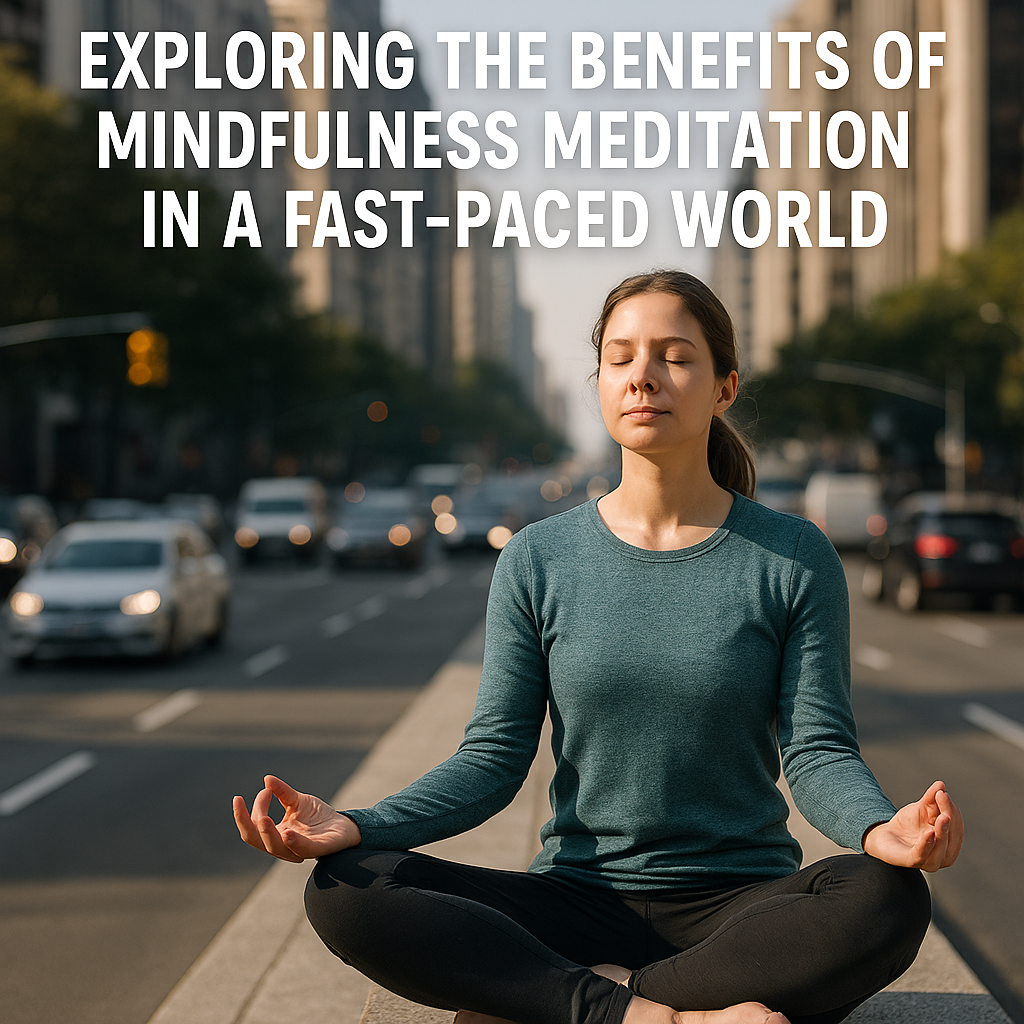
9. Turn commutes into moments of quiet reflection.
10. Track progress and celebrate small wins.
When mindfulness becomes part of your daily routine, both performance and well-being improve.
6. Why It Matters in 2024
We live in an age where attention is valuable, and everything competes for it. Mindfulness is not about disconnecting from technology but about using it wisely.
It helps in three major ways:
1. Reduces digital fatigue by keeping your mind focused on what matters.
2. Helps workers manage stress from fast-changing technology.
3. Reduces worry about artificial intelligence and job changes by increasing adaptability.
Technology is not slowing down, but mindfulness helps you stay calm and centered as things speed up.
7. The Future of Mindfulness
New research is mixing mindfulness with technology and neuroscience. These are some exciting areas to watch:
1. Virtual reality tools that make meditation more engaging.
2. Artificial intelligence that personalizes mindfulness programs.
3. Wearable devices that detect stress and suggest short breaks.
4. Quiet pods in offices for short meditation sessions.
5. Clinical programs for people with chronic pain or illness.
6. Fun, game-like mindfulness platforms.
7. Global studies that include more cultures and voices.
Mindfulness continues to grow and adapt, showing that even in a fast world, peace and focus remain possible for everyone.