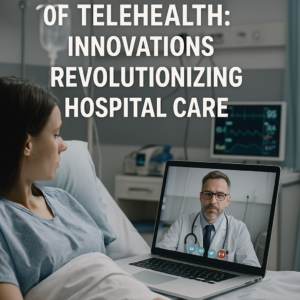
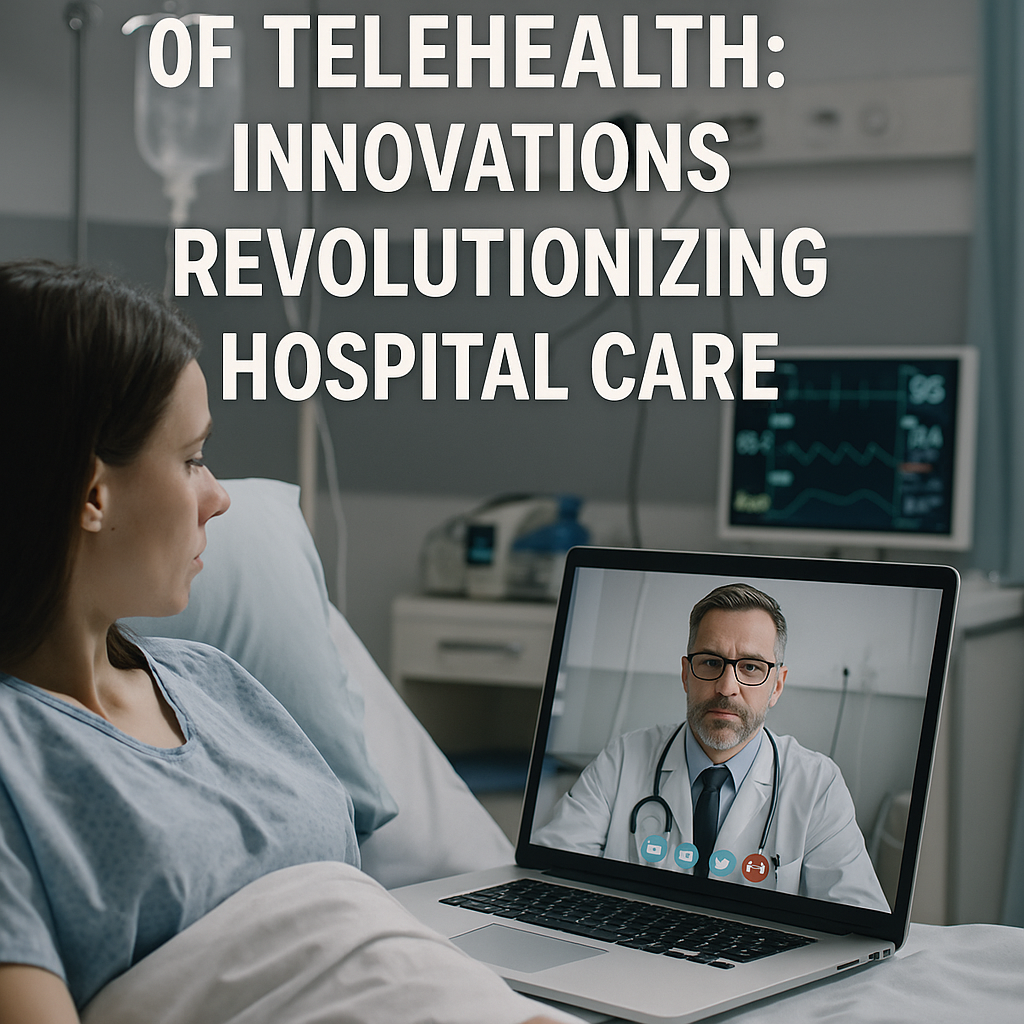
The Future of Telehealth: Innovations Changing Hospital Care
Publication Date: March 5, 2024
By SMPLSINNOVATION
I. Introduction
If you think telehealth was only important during the lockdowns in 2020, think again. What used to be fuzzy video calls with your doctor is now a high-tech system changing hospital care all around the world.
In 2024, telehealth is more than just a convenience. It connects patients, doctors, and data in powerful new ways. From smart computers that can help diagnose illnesses to digital versions of patients that predict health problems before they start, telehealth is becoming smarter and more advanced than ever.
At SMPLSINNOVATION, we’ve been following these changes closely. Our goal here is to show how new telehealth tools are improving patient care and helping hospitals work better.
So, get ready—the future of telehealth is here, and it’s faster, smarter, and more connected than ever.
II. The Evolution of Telehealth in 2024
Let’s take a quick look back. Telehealth grew fast during the global crisis between 2020 and 2022. What started as an emergency solution has now become a key part of hospital operations.
A Quick Timeline:
1. 2020–2021: Emergency telehealth programs began to keep care running.
2. 2022: Governments created rules to make virtual care a regular option.
3. 2023–2024: Hospitals started using telehealth not as a backup, but as a main part of their care systems.
Trends Driving Growth:
1. Hybrid Hospitals – Many hospitals now blend in-person and virtual care to help patients with long-term conditions.
2. Global Policy Support – Governments allow hospitals to get paid for remote care just like in-person visits.
3. AI Tools – Smart systems can read images, understand speech, and make remote care smoother.
Telehealth has moved from being a backup plan to being the plan.
III. Eleven Innovations Changing Hospital Telehealth
Every day, new digital health tools are changing the way hospitals work. Here are 11 of the most exciting ones we’ve seen.
1. AI-Powered Remote Diagnostics
Artificial intelligence can now spot health problems in scans as well as in-person doctors can.
2. Virtual Intensive Care Units (vICUs)
Remote care teams watch ICU patients around the clock, helping hospitals manage their staff while keeping patients safe.
3. Wearable Biosensors
Smart patches and clothing can track heart rate, oxygen levels, and more, sending live data straight to doctors.
4. 5G Internet Connections
Fast 5G networks make real-time care possible—even letting surgeons help with operations across the world.
5. Interoperability Platforms
New systems allow hospitals to share patient data easily and safely, so doctors get a complete picture of care.
6. Digital Twin Simulations
Digital twins are virtual versions of patients that use data and AI to predict how treatments might work.
7. Voice and Chat-Based Assistants
Smart assistants now help doctors take notes, update records, and remind them about follow-ups, saving time and reducing stress.
8. Augmented and Virtual Reality Training
VR headsets let doctors practice surgeries and procedures in realistic, safe simulations.
9. Blockchain-Based Records
Hospitals use blockchain to store patient records securely so data can’t be changed or hacked.
10. Predictive Mental Health Therapy
AI helps therapists spot early signs of stress or anxiety, allowing them to help patients sooner.
11. Remote Robotic Surgery Support
With fast internet, expert surgeons can guide robotic surgeries from far away, bringing top-quality care to more places.
All of these innovations bring telehealth into the center of hospital care, making it a regular part of every patient’s experience.
IV. How Leading Hospitals Are Making Telehealth Work
Hospitals that lead in telehealth aren’t just buying new tech—they’re changing how they work.
Top Strategies:
1. Mayo Clinic’s “Advanced Care at Home” program gives hospital-quality care at home using remote teams.
2. Cleveland Clinic uses AI systems to monitor recovery after surgery, helping patients go home sooner.
3. Mass General Brigham connects data from many systems so digital rounds feel like in-person care.
4. Hospitals now use tele-triage, where patients are first assessed online before being directed to the right care setting.
5. Cloud-based patient record systems let hospitals access data safely from anywhere.
6. Governance boards handle telehealth policies, safety, and privacy.
7. Hospitals train staff to be just as skilled at virtual visits as they are at in-person care.
These examples show that the secret to successful telehealth isn’t just technology—it’s good planning, teamwork, and strong leadership.
V. Policy, Fairness, and Global Growth
Not everyone has the same access to technology, but that is changing. Governments and organizations are working to make telehealth fair and safe for everyone.
The World Health Organization says the top three priorities are:
1. Data privacy and patient trust.
2. Equal payment for virtual and in-person care.
3. Better internet and digital access in rural areas.
Other Global Efforts:
– Europe will require all hospitals to share health data through standard systems by 2025.
– Australia’s program now reaches more rural and Indigenous communities.
– The United States made remote care coverage permanent under Medicare.
Together, these steps help create a world where doctors and patients can connect across borders.
VI. Challenges and Solutions
Telehealth still faces challenges, but each one has a solution in progress.
Challenge: Digital Divide – Not everyone has internet or devices.
Solution: Public telehealth centers and affordable 5G access.
Challenge: Licensing Rules – Doctors face limits on working across borders.
Solution: Global agreements to recognize telemedicine credentials.
Challenge: Data Security – Patients worry about privacy.
Solution: Better encryption and blockchain protection.
Challenge: Clinician Burnout – Too many screens can be tiring.
Solution: AI tools to help with notes and scheduling.
Challenge: Keeping Patients Engaged – Some stop using virtual care.
Solution: Fun, game-like health apps and wearables that motivate them.
At SMPLSINNOVATION, we see each of these as a chance for new ideas and growth.
VII. The Road Ahead
The next big step for telehealth will be connecting everything together—AI, data systems, policies, and people.
What’s Coming:
1. Virtual hospital networks that connect big city hospitals with small clinics.
2. Smart AI care plans that help doctors make quick, accurate decisions.
Telehealth is no longer the future—it’s the new normal for hospital care, bringing quality, safety, and access to patients everywhere.