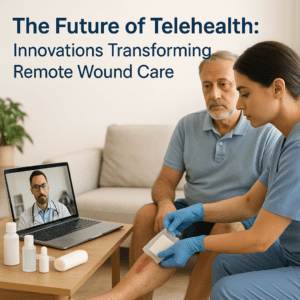
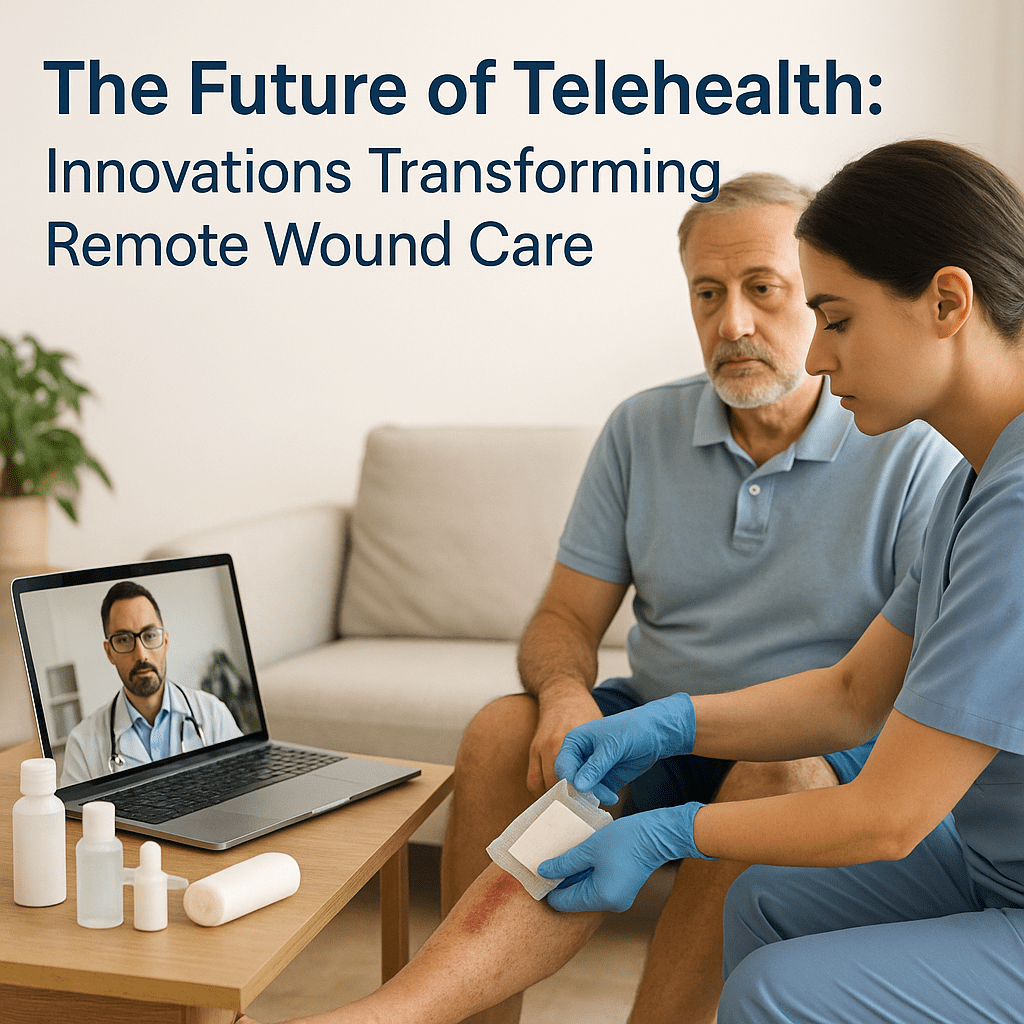
The Future of Telehealth — Innovations Transforming Remote Wound Care
By SMPLSINNOVATION Health Tech Consulting
1. Introduction — Telehealth’s Big Upgrade
Not long ago, “telehealth” meant blurry video calls that froze every few seconds. Today, it’s quick, smart, and easy to use.
Between 2020 and 2025, telehealth grew faster than anyone expected. Remote wound care, once something only a few people tried, has become one of the biggest parts of digital healthcare. According to NEJM Catalyst (Feb 2025), the number of patients using remote wound tools jumped by nearly 240% between 2023 and early 2025. What started as small tests are now full services used and paid for by health systems in both the U.S. and Europe.
This growth reflects a major change in healthcare. The focus is moving toward care that’s centered on patients, not just clinic visits. Telehealth has become the bridge that brings patients, doctors, and data together.
In this post, SMPLSINNOVATION looks at how new tools—from smart wound cameras to AR-guided dressings—are changing wound care in 2025 and in the future.
2. The State of Remote Wound Care in 2025
Digital wound care is growing fast. The 2025 Digital Health Market Outlook from Frontiers in Digital Health says that global spending on wound management tech will reach more than 12.6 billion dollars by the end of 2025, with big growth over the past two years.
Still, this field faces some major challenges:
1. Accuracy: Photos from different phones can change how wounds look, making it hard to judge size and color.
2. Compliance: Some patients forget to take photos or send pictures that are too blurry to use.
3. Reimbursement: Even though more telehealth services are being covered in 2025, not all states and insurance plans pay for remote wound monitoring yet.
4. Data Security: Many connected devices are still under review for data privacy and safe sharing of medical information.
In the European Union, new rules in 2025 now support easier data sharing between countries. But connecting all systems into one easy network remains a challenge.
3. The Main Drivers Behind Digital Wound Care Innovation
What’s pushing this major change? A mix of aging populations, new technology, and government support.
1. More older adults who are likely to have chronic wounds.
2. More chronic health conditions like diabetes that need long-term care.
3. Not enough trained wound care specialists, especially in rural areas.
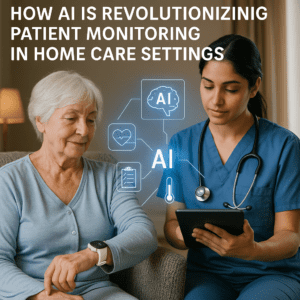
4. AI tools that can now help assess wounds with high accuracy.
5. Better cameras turning regular phones into medical tools.
6. New ways to pay for care that support remote monitoring.
7. Growth of hospital-at-home programs to save hospital space.
8. Smart sensors that collect data at home safely and securely.
9. Data tools that track healing and warn doctors early about problems.
10. Faster internet connections that support real-time care.
Together, these changes mean wound care can now be more personal, proactive, and accessible.
4. Top 10 Innovations Changing Remote Wound Care (2024–2025)
1. AI-Powered Wound Imaging: Smart apps use cameras and AI to measure a wound’s size and healing progress quickly and accurately.
2. Smart Dressings: Dressings with built-in sensors check for signs of infection and alert the care team when help is needed.
3. 3D Wound Mapping: Computer tools now create 3D images of wounds to show depth and changes over time.
4. Edge AI Monitoring: Devices analyze wound data locally on the patient’s device, keeping personal data private.
5. AR Teleconsultations: Doctors can use augmented reality to guide patients or caregivers step-by-step on how to apply bandages.
6. Wearable Sensors: Small skin patches track healing and send alerts if something looks wrong.
7. Blockchain Data Security: Blockchain keeps wound care records safe from tampering.
8. Predictive Healing Tools: AI estimates how long a wound may take to heal based on a patient’s condition and care routine.
9. Robotic Wound Care: In some trials, remote-controlled robotic arms allow doctors to safely clean wounds from a distance.
10. Virtual Reality for Recovery: VR helps patients manage pain and follow exercise routines by making care more interactive.
5. Looking Ahead — Beyond 2025
The next step for digital wound care will be making sure everyone can use these tools and that they fit smoothly into daily healthcare.
Here are some expected changes:
1. Secure, shared wound databases using AI.
2. Integration with national health records.
3. Subscription-based payment models for ongoing care.
4. Cheaper hardware for developing countries.
5. More insurance coverage for home-based care.
6. Easier connections between apps and hospital systems.
7. Creation of virtual wards for wound patients.
8. Smarter wound photo apps that correct image quality.
9. Clear global rules for connected wound technology.
10. Hybrid models combining virtual and in-person care.
When all these parts come together, wound care will move from reactive to predictive—spotting healing issues before they become serious.
6. The SMPLSINNOVATION Approach — Technology with a Heart
At SMPLSINNOVATION, we believe telehealth connects more than patients and doctors; it connects care and compassion.
The goal isn’t to replace doctors with machines. Instead, AI is giving healthcare workers better tools to help patients heal faster and safer.
To succeed with these new tools, healthcare organizations should:
1. Start small with systems that connect easily to what they already use.
2. Train teams so they understand how to use and trust digital tools.
3. Work with experienced health tech partners like SMPLSINNOVATION to guide them through adoption and compliance.
7. Conclusion — Healing, Reimagined
By early 2025, remote wound care is no longer something from the future—it’s happening now. Telehealth, powered by smart and caring technology, is helping patients heal better, faster, and with more comfort right from their homes.