The Impact of AI on Improving Patient Outcomes in Home Healthcare
By SMPLSINNOVATION | February 2025 Edition
I. Introduction
Home healthcare is going through a big change in 2025. It used to mean clipboards, home visits, and lots of paperwork. Now it’s becoming a data-driven, smart system built to help people stay healthy in their own homes.
With more patients, fewer healthcare workers, and higher costs everywhere, artificial intelligence (AI) is stepping in to help. AI can lower hospital readmissions, remind patients to take their medicine, and help caregivers make smart decisions—sometimes even before a problem starts.
Recent studies in Nature Digital Medicine, the Journal of Medical Internet Research, Forbes Health, and HealthTech Magazine show that home healthcare is no longer just “remote care.” It’s responsive, personal, and predictive—and AI is the secret ingredient making it all possible.
II. The Current State of Home Healthcare in 2025
Here’s where things stand today:
– Remote monitoring is now common. Smartwatches and other devices track heart rates, oxygen levels, and blood pressure. The data goes to cloud systems, where AI looks for changes.
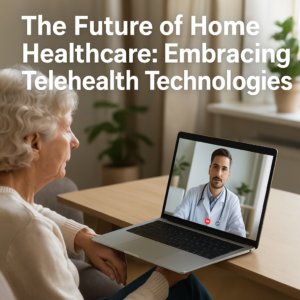
– Telehealth is now part of everyday life. Video calls with doctors and AI chatbots make care easy and quick to access.
– Caregivers now use digital tools that help them plan care, reduce paperwork, and respond faster to patient needs.
But there are still some problems:
1. Some areas still lack internet access, which makes remote care hard.
2. Technology can be expensive to install and maintain.
3. There are still not enough caregivers to meet all the demand.
4. Privacy remains a concern—no one wants their personal health data misused.
New rules from the FDA and the European Union in 2025 now focus on keeping AI transparent and data safe. This helps healthcare organizations use AI responsibly.
III. How AI Is Changing Home Healthcare
1. Predictive Analytics for Early Warning
Imagine an AI system that notices when a person with lung disease is about to get worse—before the person even feels it. That’s already happening. Hospitals using AI can catch early signs and act faster, preventing hospital visits.
AI can now:
– Predict when diseases like heart failure or diabetes might get worse.
– Warn caregivers before a crisis happens.
– Reduce hospital readmissions.
This means quicker help and healthier patients who can stay home longer.
2. Personalized Care Plans
With AI, care can be completely customized. Machine learning systems adjust medication times, diet, and exercise plans based on data from each person’s smart devices. For example, if someone isn’t sleeping well, the AI might suggest a lighter workout or remind them to cut back on caffeine.
This leads to:
– Better engagement—people actually follow their plans.
– Smarter tracking—AI notices when doses are missed.
– Constant updates to care based on real data.
3. Virtual Nursing Assistants and Chatbots
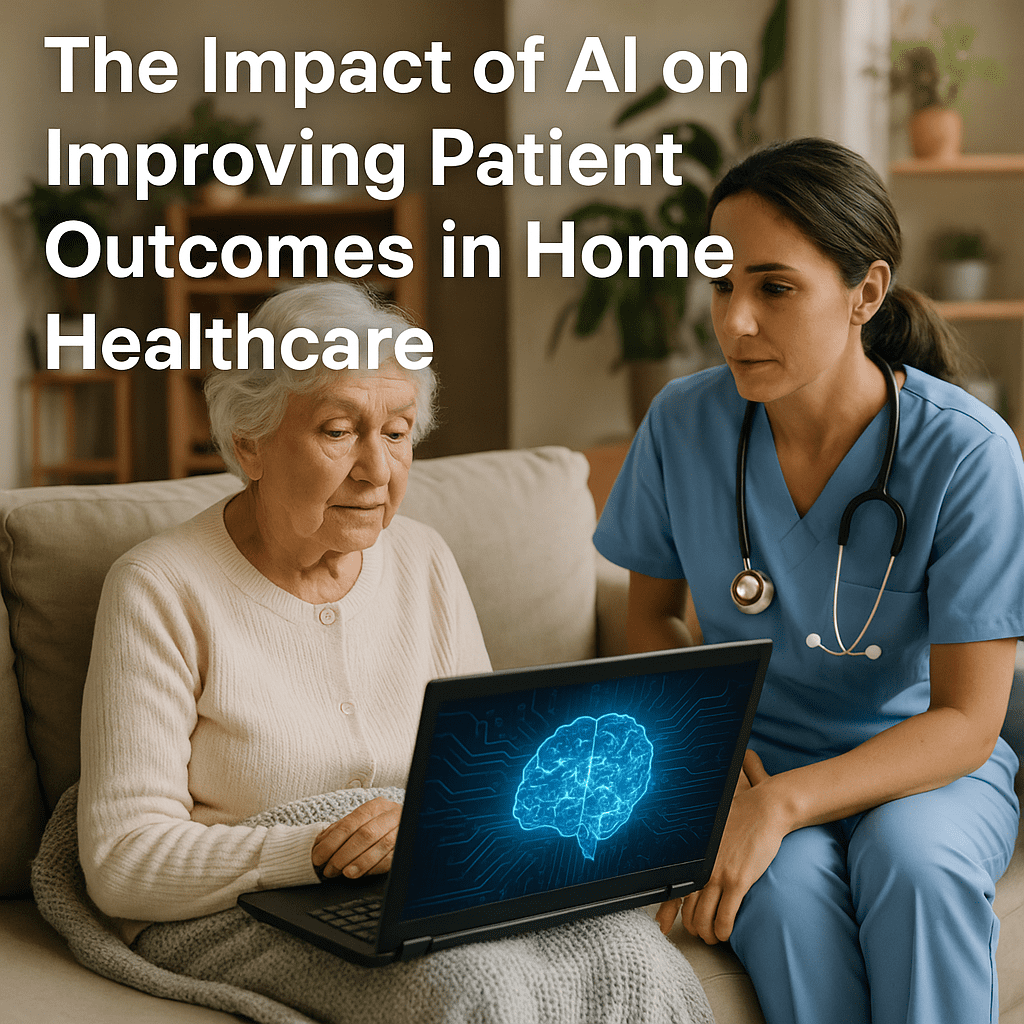
AI “nurses” are now helping real nurses. They can answer common questions, check symptoms, and send alerts if something seems wrong.
These tools:
– Sort out small issues from emergencies.
– Reduce late-night calls for real caregivers.
– Make care easier for seniors or people with mobility problems.
They may not bake cookies, but they can remind you to take your medicine on time.
4. Computer Vision for Remote Checkups
AI-powered cameras can now help doctors check wounds, measure movement during physical therapy, and even notice facial signs of pain. This means fewer clinic trips and better care from home.
5. Natural Language Processing for Documentation
Taking notes after each visit used to take a lot of time. Now AI can listen and turn voice notes into medical records or summaries automatically. This saves time and lets caregivers spend more of it with patients instead of paperwork.
IV. Real-Life Examples from 2024–2025
Here are real results from AI in home care:
– Mayo Clinic and Google Health cut late-stage heart failure cases by 22 percent.
– Philips HomeCare AI reduced hospital visits for chronic illnesses by 15 percent.
– The UK’s NHS Virtual Wards reduced hospital readmissions by 18 percent.
– Kairos Health’s chatbot program reduced response time by 30 percent.
– BioMapp helped patients move better, improving physical therapy results by 27 percent.
– DeepSentry AI detects early signs of stroke risk.
– Curely’s smart pill bottles send friendly reminders that keep users on track.
– MaisonCare uses AI to reduce loneliness for seniors.
– NeuroNest helps people with memory loss maintain stable cognitive health.
– CareAnywhere connects families and healthcare teams, improving coordination by almost 20 percent.
V. Top 10 AI Tools Changing Home Healthcare
1. Predictive analytics to stop readmissions.
2. Smart pill dispensers that track when medicine is taken.
3. Fall detection systems that can tell if someone actually fell.
4. Computer vision for safe wound assessment.
5. Virtual nurse chatbots for symptom checking.
6. Voice assistants for reminders and scheduling.
7. Smart wearables that share data with doctors.
8. Automatic note-taking systems for healthcare workers.
9. AI-powered nutrition and fitness coaches.
10. Emotion and pain recognition tools for patients who can’t easily communicate.
These aren’t just gadgets—they’re real tools that make home healthcare more effective and more personal.
VI. What This Means for the Future
AI isn’t here to replace nurses or caregivers. It’s here to help them do more. By handling routine work and offering 24-hour monitoring, AI gives professionals more time to focus on what really matters—caring, teaching, and connecting with patients.
Still, there’s more work to be done:
– Different systems need to connect better and share data easily.
– AI tools must stay ethical and fair.
– Healthcare workers need proper training to use these systems well.
At SMPLSINNOVATION, we help healthcare providers design AI systems that are safe, smart, and easy to use. Because real innovation means making life simpler—and improving care for everyone.
VII. Conclusion
The era of waiting until someone gets sick is ending. With help from AI, home healthcare is becoming smarter, faster, and more caring—keeping people healthier and happier right where they belong: at home.