The Rise of Plant-Based Diets: Health Benefits and Environmental Impact
By SMPLSINNOVATION | Health Technology Consulting | February 2024
If you’ve noticed more oat milk than regular milk in the office fridge, you’re not imagining things. The past year has been record-breaking for plant-based eating around the world. A February 2024 Nature Food report showed that global use of plant-based products grew by 14% from 2023, the fastest rise in twenty years. From fast food to five-star hotels and even frozen foods, green is the new gold.
But why are so many people making the change? Beyond the trendiness of tofu and Instagram smoothies, real reasons are driving the rise — health, climate, technology, and even government actions.
In this post, we’ll look at two key areas:
1. Health benefits proven by 2024 research
2. The environmental effects of what we eat
Plant-based eating is more than a passing fad. It’s a movement powered by several big changes.
1. Many people want to live healthier and prevent disease. The World Health Organization’s 2024 Global Nutrition Report found that 63% of adults said they chose foods for health first.
2. Climate change awareness is growing. The United Nations reported that the food sector makes up about one-third of all greenhouse gas emissions, and eating more plants can cut livestock emissions by up to 70%.
3. More people care about animals and their well-being. Animal welfare has become a mainstream issue.
4. Food technology is improving plant-based products. Today’s plant-based meats and milks taste better and have the right texture.
5. Prices are lower. Nature Food found that the cost of plant-based meats dropped 27% since 2020.
6. Governments and companies are promising more sustainable food systems.
7. Social media and celebrities make plant-based meals look fun and tasty.
8. Chefs worldwide are creating amazing dishes like jackfruit tacos and mushroom steaks.
9. Science keeps proving the benefits of plant-based diets.
10. Food labeling and policy updates are helping people understand and trust plant-based options.
When you add it all up — science, climate sense, and tasty meals — this movement has serious momentum.
One of the biggest studies this year, published in The Lancet Public Health, followed over 200,000 adults for 20 years. It found that people who mostly ate plants had a 32% lower risk of heart disease than those who ate a lot of meat. Other studies in 2024 showed fewer cases of chronic illness, lower inflammation, and healthier weight among plant-based eaters.
Top health benefits linked to plant-based diets include:
1. Lower risk of heart disease
2. Better blood pressure
3. Reduced chance of Type 2 diabetes
4. Healthier gut bacteria
5. Lower “bad” cholesterol
6. Reduced risk of some cancers
7. Lower body weight
8. Healthier kidneys and liver
9. Less inflammation
10. Longer, healthier lives
Health tech companies, including SMPLSINNOVATION, are already using this research to build digital tools that track nutrition, wearable data, and wellness progress in real time.
Some people worry that eating mainly plants means missing nutrients. The British Journal of Nutrition (February 2024) showed that well-planned plant-based diets are healthy for all ages — even for athletes and pregnant people.
Here are ten easy tips for balanced plant-based eating:
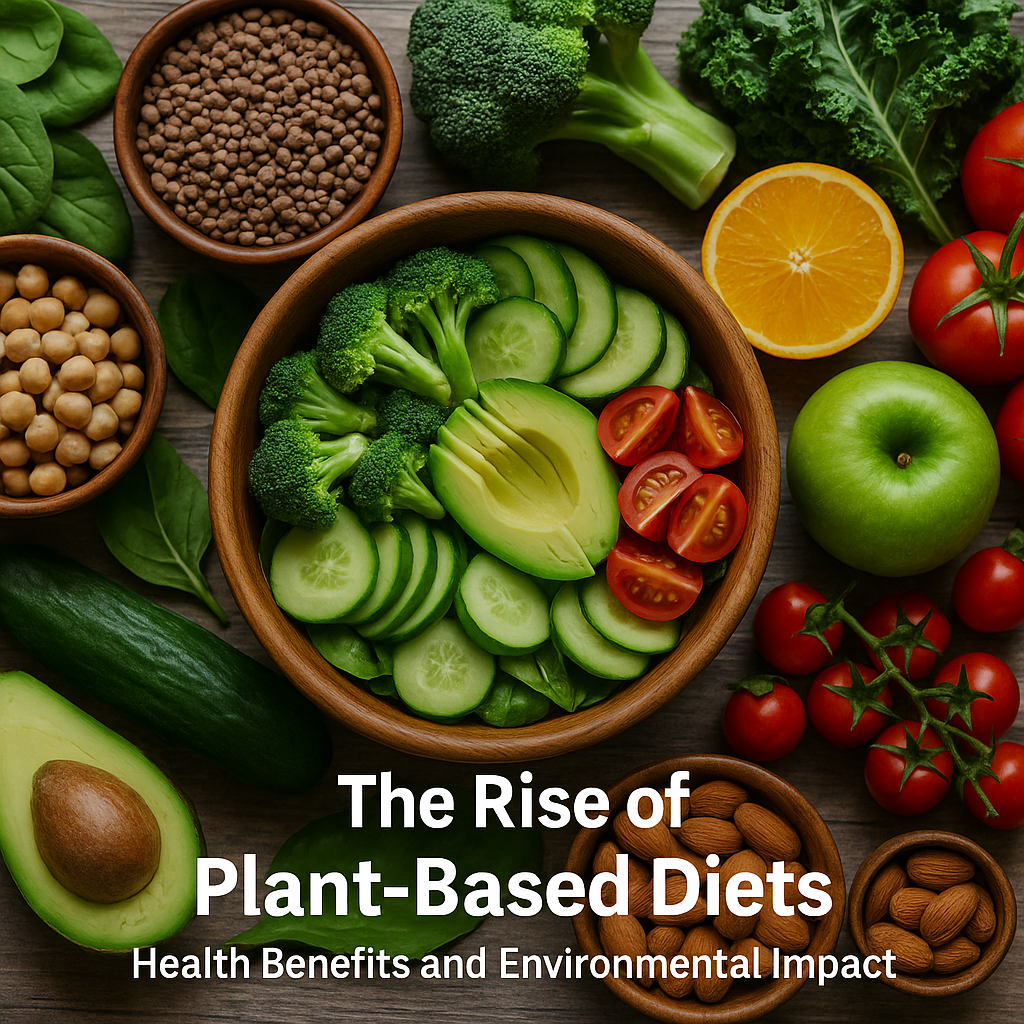
1. Eat a mix of proteins like beans, nuts, seeds, lentils, and grains.
2. Take or eat fortified foods with Vitamin B12.
3. Get omega-3s from flax, chia, hemp, and walnuts.
4. Eat foods rich in iron with foods high in vitamin C to boost absorption.
5. Include calcium sources like fortified milk, almonds, sesame seeds, and kale.
6. Enjoy fermented foods such as tempeh and kimchi.
7. Cook smart — some nutrients, like those in tomatoes, get stronger with heat.
8. Pack protein snacks like roasted chickpeas.
9. Drink lots of water since fiber needs it to work well.
10. Use apps to track nutrients and health progress.
You don’t have to live on salad — just plan your meals with variety.
Plant-based diets also help the environment. The UNEP 2024 Food Systems Report noted that cutting meat intake in half could lower global livestock emissions by almost 70%. It could also free enough land to regrow millions of square kilometers of forests and grasslands while using up to 75% less freshwater per calorie. This would improve food security, protect animals and plants, and make food systems stronger.
For health and technology experts like SMPLSINNOVATION, this opens doors for new innovations — from hospital sustainability dashboards to smarter meal planning tools. Combining good health and a healthy planet is a smart way forward.
Technology is also changing how we eat.
AI-based tools now help doctors build personalized plant-based meal plans.
Blockchain systems can trace where food comes from and how it affects the planet.
Wearable devices and apps can track blood sugar and other health data after meals.
Healthy eating is becoming interactive and fun. Your smartwatch might soon tell you that your smoothie helped lower your carbon footprint for the day.
From restaurants to hospitals, plant-based diets are becoming part of everyday life. The 2024 data shows they’re good for our health — and our world. The rise of plant-based diets isn’t just a trend. It’s a lasting change toward better living for both people and the planet.