How AI-Powered Fall Detection is Changing Safety in Aged Care Facilities
By SMPLSINNOVATION – Health Technology Consulting that keeps innovation simple (and safe enough for grandma to dance).
1. Introduction: Why Fall Detection Matters in Elderly Care
Falls aren’t just small slips—they are a big health problem for older adults around the world. The World Health Organization’s 2024 report says about 37 million falls each year need medical care, mostly for people over 65. In the U.S., the CDC reports that one in four seniors falls every year. These falls often lead to serious injuries, high medical costs, and worry for families.
Why this matters:
– Economic impact: Fall injuries cost the world more than 60 billion dollars each year—and this number keeps going up.
– Emotional toll: Many seniors become afraid to move freely after a fall, which can lead to loneliness.
– Operational challenge: Care staff can’t watch every resident all the time. Old-style emergency buttons only work if the person can press them, which isn’t always possible.
We need a better way to detect and respond to falls. This is where AI-powered fall detection comes in—combining technology and care to keep everyone safer.
2. The Rise of AI-Powered Fall Detection
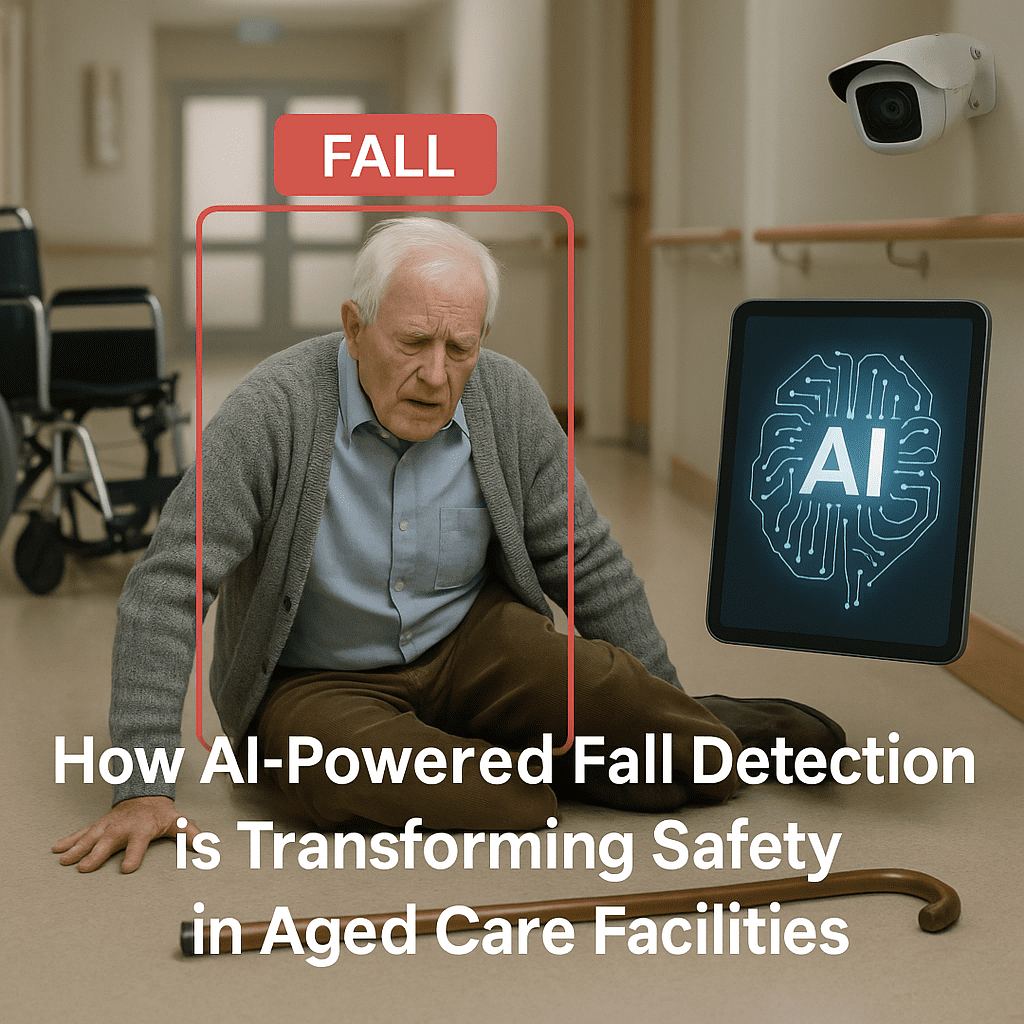
AI fall detection works like a digital helper that uses sensors and smart computer learning to tell the difference between someone exercising and someone really falling.
In the past, fall detection waited for an alarm or a caregiver to notice. Now, AI can spot warning signs and send an alert before a serious fall happens.
Technologies making this possible:
1. Sensors and wearables that track movement, heart rate, and health signals all day.
2. Camera and depth systems that “see” body movement without recording personal images.
3. Predictive analytics that learn each person’s normal movement and spot unusual changes.
4. Edge computing that processes data quickly on local devices, so there’s no delay.
5. Neural networks that analyze tiny shifts in balance and posture.
AI is turning “Oh no, someone fell!” into “Let’s prevent that fall before it happens.”
3. Ten New AI Technologies Improving Fall Detection
Technology in healthcare is moving fast. Here are ten innovations making fall detection safer and smarter:
1. Computer vision with depth cameras that track motion while protecting privacy.
2. Wearable sensors that combine movement and health data to tell real falls from quick motions.
3. Predictive models that warn caregivers before a fall happens.
4. Edge AI sensors that work even when internet signals are weak.
5. LiDAR systems that map rooms in 3D to reduce false alarms.
6. Voice-activated AI helpers that let residents call for help by speaking.
7. Multimodal systems that mix camera, sound, and wearable data for full awareness.
8. Generative AI that creates safe training data to improve accuracy.
9. AI that learns personal behavior patterns and warns of unusual changes.
10. Cloud-to-edge systems that send instant alerts and reports to caregivers’ devices.
Together, these ideas help detect falls faster and more accurately while keeping the human touch.
4. How AI Impacts Aged Care Facilities
AI-powered systems are not just smart gadgets—they save lives. Studies published in 2024 found that AI fall detection lowered response times by up to 40 percent in trial centers across several countries.
Results seen in facilities:
– Fewer serious injuries thanks to quicker medical help.
– Better understanding of when and where falls happen, helping to design safer spaces.
– Less strain on staff, giving them more time for personal care.
– More confidence among residents, who can move freely without fear.
AI helps create a safer, calmer, and more supportive environment for everyone.
5. Ethics, Privacy, and Rules
With great data comes great responsibility. AI in healthcare must protect both safety and personal privacy.
Three important areas:
1. Privacy by design: Using depth sensors or local data processing so people aren’t filmed constantly.
2. Regulatory compliance: Following laws like GDPR, HIPAA, and Australian Privacy Principles.
3. Resident autonomy: The goal is to support independence, not to control or monitor every move.
AI systems must also be fair and explain their actions clearly so everyone receives equal care.
6. Challenges and Lessons Learned
Even smart technology faces hurdles. Using AI fall detection takes planning, effort, and teamwork.
Common challenges:
– High starting costs for new equipment and setup, though savings come later from fewer injuries.
– Staff training, since not everyone is familiar with technology.
– Linking systems to electronic health records, which can be tricky.
– Avoiding false alarms and keeping models updated as resident behavior changes.
– Ensuring strong Wi-Fi, reliable power, and working hardware.
Lessons from pilot programs:
1. Start with one small area before expanding.
2. Involve staff when designing how systems work.
3. Use clear dashboards that explain why alerts happen.
4. Get resident consent early in the process.
5. Make training fun and friendly to reduce stress about new tools.
7. Ten Benefits of AI-Powered Fall Detection
1. Faster emergency response.
2. Fewer hospital trips and lower recovery costs.
3. Better staff efficiency.
4. Happier and more confident residents.
5. Fewer falls through early warnings.
6. Easier compliance with safety rules.
7. Stronger data for reports and audits.
8. Technology that grows with facility needs.
9. Constant monitoring without staff fatigue.
10. Empowerment through caring technology.
AI doesn’t replace caregivers—it helps them deliver safer and smarter care.
Conclusion: The Future of Safer, Smarter Care
From smart cameras to predictive models, AI is changing elder care with empathy and intelligence. Care homes are becoming places that can notice and stop accidents before they happen. The future of fall prevention is already here, improving lives across the world.
At SMPLSINNOVATION, we help aged-care providers make sense of this new technology with clear and simple strategies. Protecting our elders shouldn’t be complicated—it should just work.
Here’s to fewer falls, smarter care, and technology that helps grandma move safely for many years to come.