Implementing Remote Patient Monitoring in Home Care: Benefits, Challenges and 2024 Trends
By SMPLSINNOVATION — Because keeping patients healthy (and your work easier) should be simple!
I. Introduction
If you’ve seen more smartwatches, connected glucose monitors, and high-tech pulse oximeters lately, you’re not imagining things. Remote patient monitoring, or RPM, has quickly become a must-have in home care.
Since the pandemic, healthcare has become much more connected. With rising costs, tired healthcare workers, and growing patient needs, RPM has stepped up as a smart solution.
This year, 2024, is a major turning point. New payment rules, better data tools, and wider insurance coverage are making remote monitoring easier and more affordable than ever.
In this post, we’ll look at what RPM means for home care, how the market is growing, and how to set it up successfully—without losing your mind (or your Wi-Fi).
II. Understanding Remote Patient Monitoring in Home Care
Before diving into the details, let’s go over what RPM is and how it works.
1. What Is RPM?
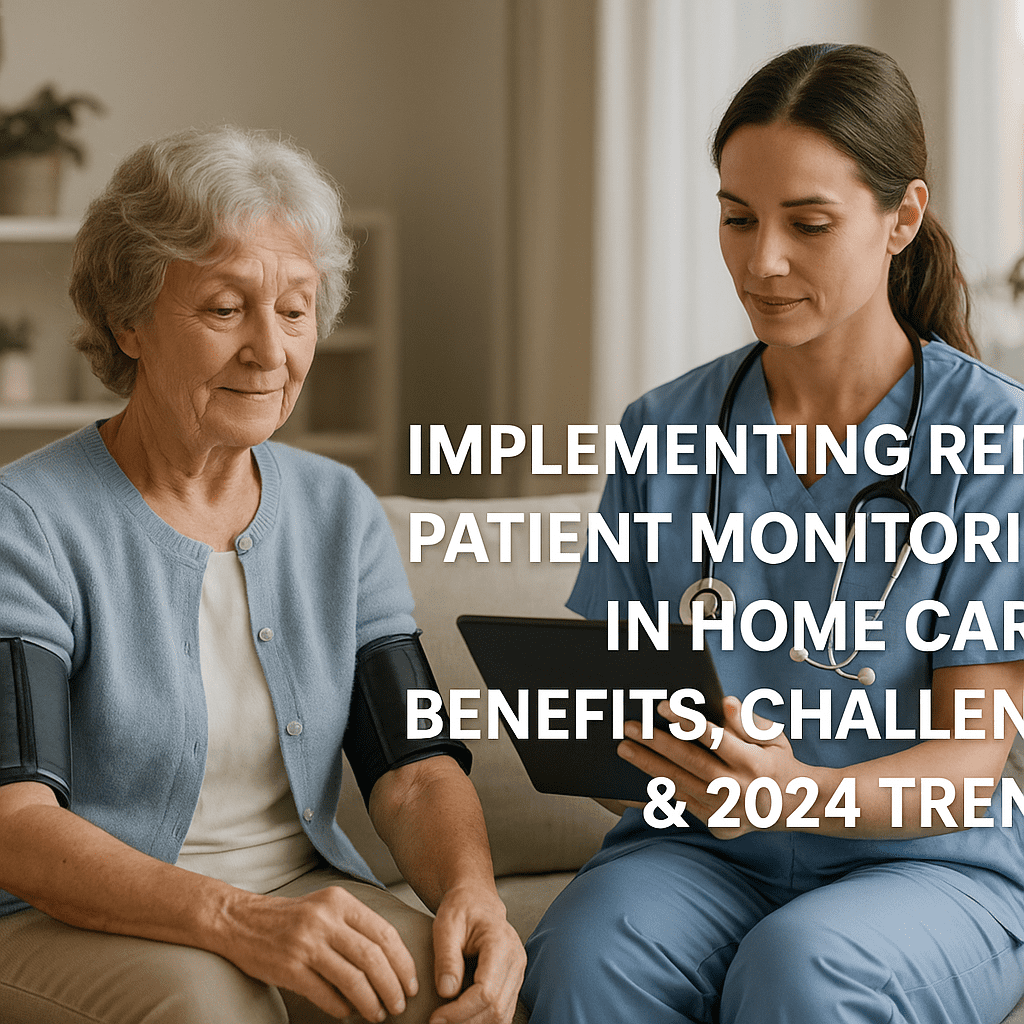
RPM uses connected digital tools to track patients’ health at home and send that data to their care team. It’s like a mini command center for health in the patient’s home.
2. Core Parts of RPM
A good RPM setup usually includes:
– Devices like blood pressure cuffs, glucose meters, and fitness trackers
– A data system that collects and reviews patient information
– A dashboard for nurses or doctors to see and track the data
3. How RPM Helps Home Care
RPM doesn’t replace home visits—it supports them. Nurses can check patient data between visits, watch trends, and step in early if needed.
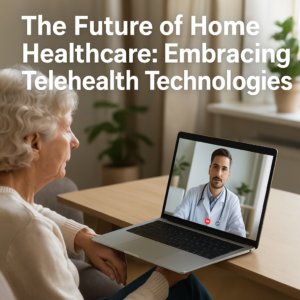
4. RPM vs. Telehealth
Telehealth is for live video calls or appointments.
RPM tracks data all the time between those visits.
Together, they make care smoother and more complete.
5. Who Benefits Most
RPM works best for people who need regular monitoring, such as:
– Patients with chronic conditions like diabetes or heart failure
– People recovering from surgery
– Seniors or frail patients
– Expecting mothers
– People managing mental health needs
III. The 2024 Market Landscape of RPM
The RPM market is growing very fast.
1. It’s valued at about 14.8 billion dollars globally in 2024 and may reach 33 billion by 2028.
2. Home care agencies, hospital-at-home programs, and health plans are leading adopters.
3. Updated insurance rules now support more types of connected devices per patient.
4. Investors are putting over 2.7 billion dollars into digital health tools in 2024.
5. Big tech players like Epic, Philips, and Validic are helping different systems work together.
In short, RPM is not a side project anymore—it’s becoming standard care.
IV. Benefits of RPM in Home Care
1. Better Health Results
RPM helps doctors catch problems early, lowers hospital visits, and improves control of diseases like diabetes and high blood pressure. It also helps patients follow their medication plans and improves safety and quality of care.
2. Improved Efficiency
RPM makes work easier for care teams. It reduces unnecessary visits, helps nurses manage their time, and improves teamwork through shared dashboards. Less manual work and better scheduling can also save money.
3. Happier Patients and Caregivers
With easy apps and feedback tools, patients can see their progress and feel more in control. It builds trust, reduces anxiety, and keeps families informed. Older adults also feel more confident using technology.
V. Challenges of RPM in 2024
Even though RPM is powerful, it’s not always simple to put in place.
Some of the biggest challenges are:
– Keeping patient data private and secure
– Getting different systems to work together
– Keeping up with changing billing and rules
– Managing alert fatigue and burnout for clinicians
– Helping patients who are not familiar with technology
– Poor internet access in rural areas
– Balancing program costs with financial benefits
– Choosing the right tools among many options
– Avoiding data bias
– Keeping patients engaged over time
Each of these challenges can be managed with planning and the right partners.
VI. Key Factors for Successful RPM
To make an RPM program work well in home care, focus on these key steps:
1. Get leadership support
2. Set clear protocols for alerts and responses
3. Use simple, user-friendly technology
4. Protect patient data
5. Train both staff and patients well
6. Make sure systems can share data
7. Track results and improvements
8. Keep patients interested and engaged
9. Build a program that can grow over time
10. Work with trusted technology partners
VII. 2024 RPM Trends
Here are the top new trends shaping RPM this year:
1. Artificial intelligence used to predict health issues early
2. Continuous sensors that work automatically
3. Blended home care combining in-person and virtual visits
4. Wearables that track mental health and stress
5. Faster data with 5G and edge computing
6. Value-based contracts between insurers and providers
7. Voice assistants to help seniors
8. Personalized care plans powered by data
9. Shared standards to connect different health systems
10. Health tech that feels friendly and easy for everyone
VIII. Conclusion
Remote patient monitoring in home care is more than a new trend—it’s changing how care works. It connects patients and providers, prevents health problems, and makes daily workflows easier. With the right plan and partners, RPM can help create a healthier, more connected future for home care.