The Role of Remote Patient Monitoring in Improving Chronic Disease Care at Home
By SMPLSINNOVATION | March 2024
I. Introduction
Our healthcare systems are working harder than ever. Chronic diseases like diabetes, heart failure, COPD, and high blood pressure affect more than half of adults around the world. The World Health Organization and the CDC say that these long-term illnesses are responsible for almost three-quarters of all healthcare costs.
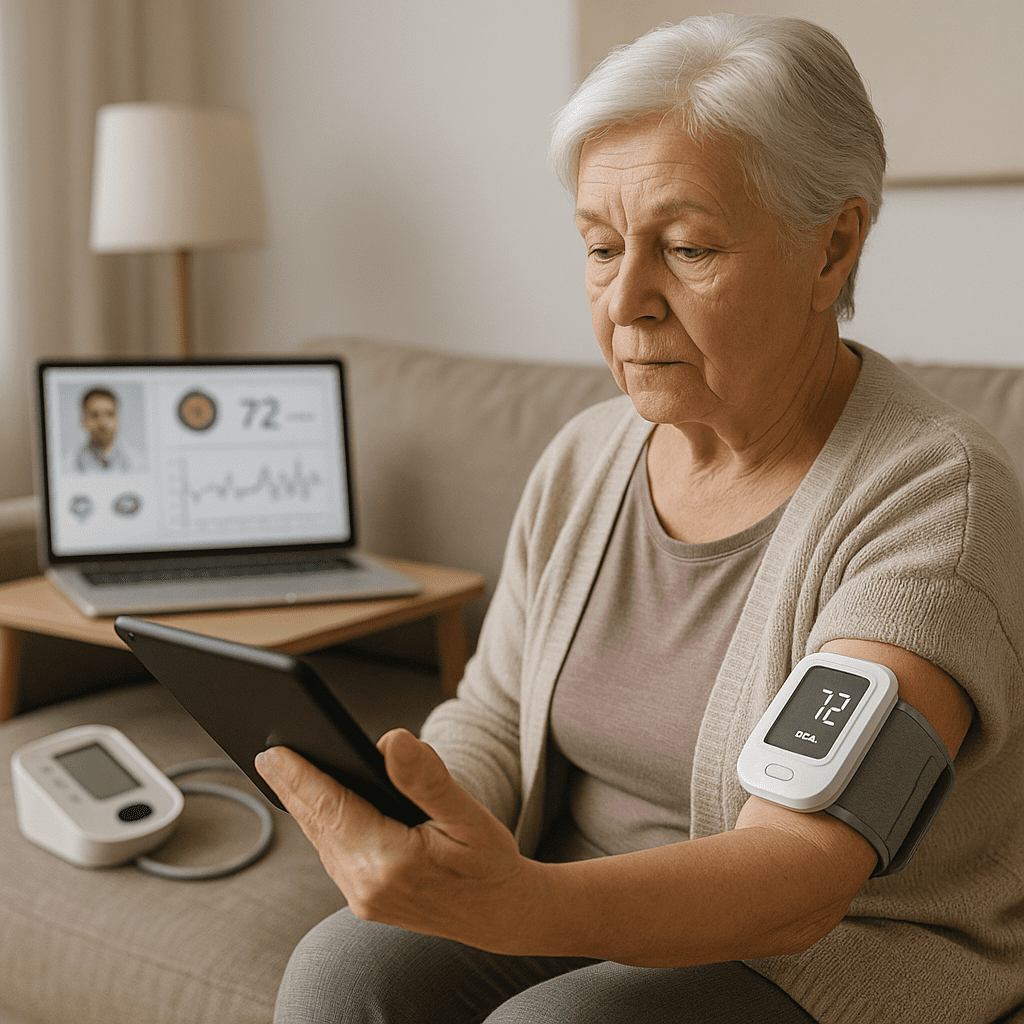
At the same time, technology has moved into our homes. Smart blood pressure cuffs, glucose monitors, inhalers, heart monitors, and even bathroom scales can now send information straight to your doctor. This is called Remote Patient Monitoring (RPM).
At SMPLSINNOVATION, we love technology that helps people live healthier lives. RPM isn’t just about fancy gadgets — it’s changing how care happens. It helps patients manage their health at home, gives them more control, and helps doctors spot problems early before they get worse.
RPM is becoming one of the most important tools for providing personal, preventive, and affordable care.
II. The Growing Burden of Chronic Diseases
Around the world, more people are living longer, but many are also living with one or more chronic diseases. WHO reports that over 1.7 billion people have a chronic condition. By 2030, one in six people will be over 60 years old, which means more health issues and more monitoring.
Lifestyle habits like sitting too much, eating poorly, and relying on food delivery are making things worse. There are also not enough doctors and nurses to meet all the needs, and many healthcare systems are stretched too thin. Chronic diseases cost up to 85% of healthcare budgets in many countries.
For example, 25% of hospital readmissions within 30 days come from heart failure patients. People in rural areas or with poor internet access have fewer options for care. Long-term illness can also cause stress, anxiety, and depression, making care harder for both patients and families. Caregivers often feel tired and overwhelmed.
Clearly, it’s time for a more caring and efficient approach to chronic disease management.
III. What Remote Patient Monitoring Involves
RPM is already here and helping patients every day. It connects wearable devices, health apps, and secure digital systems to doctors and nurses in real time.
The key parts of RPM include:
1. Smart sensors that track things like blood pressure, glucose, weight, oxygen, and heart rate.
2. Secure systems that send this data safely to doctors.
3. Standard connections that let different devices and records work together.
4. Artificial intelligence that predicts health risks before symptoms appear.
5. Apps that remind patients to take medicine or record symptoms.
6. Easy-to-read dashboards that help doctors act quickly when something changes.
7. Voice assistants that can answer simple health questions.
8. Programs that combine RPM with telehealth and pharmacy support.
9. Strong security systems that protect patient privacy.
10. Tools that make it simple to expand RPM for large healthcare organizations.
When all these pieces work together, they create a system that feels like having a small care team watching over you every day.
IV. Benefits of RPM for Chronic Disease Care
Many studies show that RPM improves health, saves money, and helps patients feel more supported.
Better Health Results
1. Diabetes patients using RPM lowered their average blood sugar levels.
2. People monitoring blood pressure from home showed steady improvements.
3. Heart failure patients had fewer emergency hospital visits.
4. COPD patients caught breathing problems early and avoided the ER.
5. Doctors can adjust medicines faster with continuous data.
6. Patients recover faster after surgery.
7. Heart rhythm problems are detected sooner.
8. Early warnings have reduced hospital deaths for high-risk patients.
9. Health data can predict who needs extra help.
10. Communities can track health trends more accurately.
Better Patient Experience
1. Reminders help people take medication and follow routines.
2. Patients feel more in control of their health.
3. Regular updates ease anxiety between doctor visits.
4. Gamified goals turn healthy habits into fun challenges.
5. Families can help monitor patients safely.
6. Simple numbers and charts make health easier to understand.
7. People become more responsible about their symptoms.
8. Regular communication reduces loneliness.
9. Notifications remind patients that their doctors care.
10. Seeing good results builds confidence and trust.
Health System Improvements
1. Fewer emergency room visits.
2. Lower hospital readmission rates.
3. Cost savings of hundreds of dollars per person each month.
4. Nurses and doctors can focus on patients who need them most.
5. Improved performance on quality care measures.
6. Less time spent entering data manually.
7. Easier access to specialists for people who live far away.
8. Patients stay more loyal to their care providers.
9. Better planning of healthcare staff needs.
10. More reliable chronic care during health crises or outbreaks.
V. Technology Innovations Shaping RPM in 2024
RPM technology keeps getting smarter and faster. These are some of the biggest advances:
1. Devices that process data locally, making alerts faster.
2. 5G networks that improve live data sharing.
3. Smart AI tools that help doctors spot problems sooner.
4. Longer battery life for wearable devices.
5. Smart home systems that connect to your health tools.
6. Voice analysis that can detect stress or breathing trouble.
7. Virtual reality for physical therapy and rehab.
8. Blockchain technology to keep health records secure.
9. Automatic device calibration for better accuracy.
10. Systems that bring together data from wearables and public health dashboards.
These innovations show how technology and healthcare are coming together to make life easier and healthier.
VI. Policy and Payment Momentum
Governments and insurance providers are finally catching up with technology. The Centers for Medicare & Medicaid Services and other organizations are creating new rules and payment models to support RPM programs. These changes help healthcare providers adopt new tools, encourage preventive care, and make RPM more available to patients across different locations.
As more policies support remote care, RPM will continue to grow — helping people manage chronic diseases safely from home while easing the load on healthcare systems.
Remote Patient Monitoring is not just about gadgets or apps. It’s about connecting people, data, and care in a way that truly makes life healthier, simpler, and more personal.