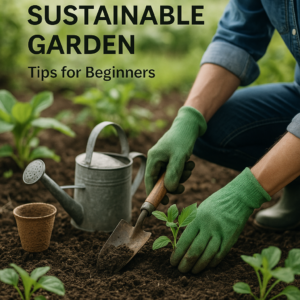
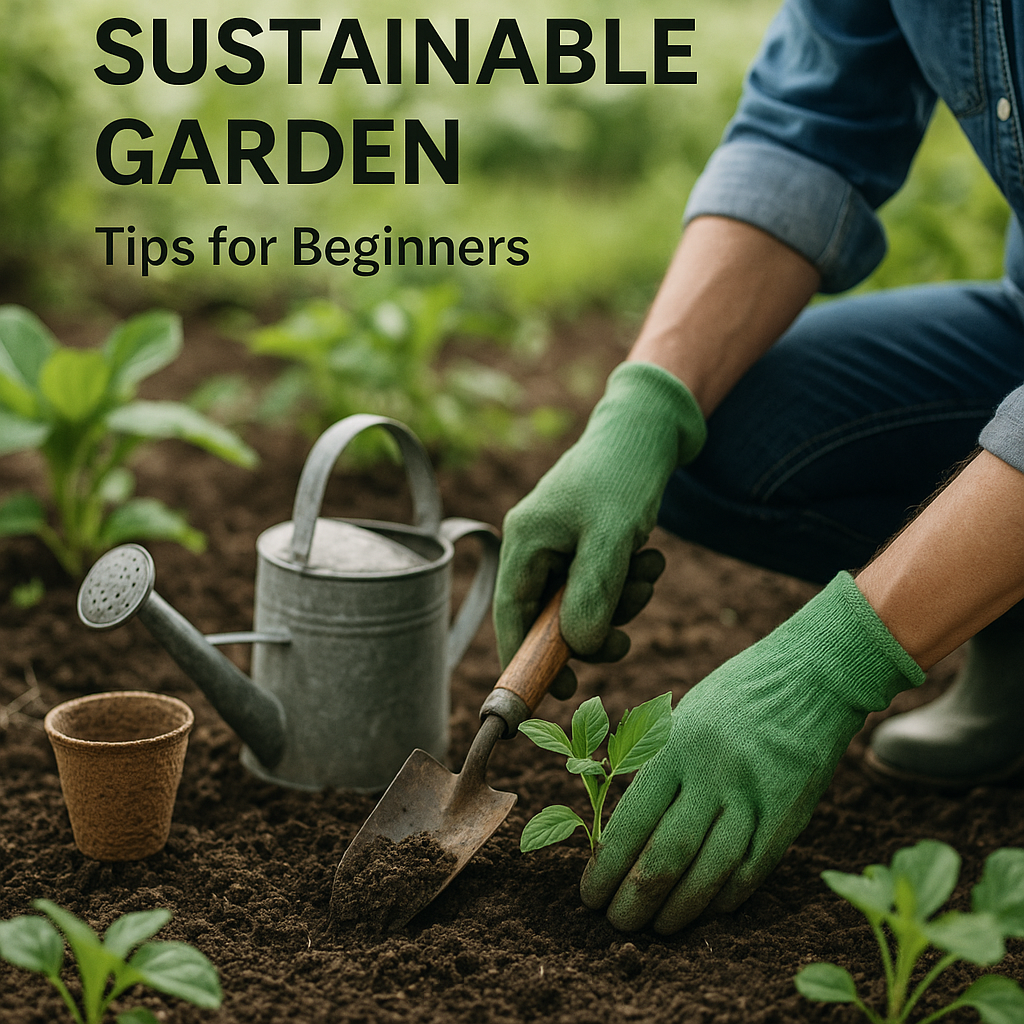
How to Start a Sustainable Garden: Tips for Beginners
By SMPLSINNOVATION
I. Introduction
It’s 2024, and caring for the planet is more important than ever. From hospitals using eco-friendly technology to people turning small balconies into green spaces, sustainability has become a way of life.
At SMPLSINNOVATION, we help healthcare organizations grow in ways that protect the environment. The same ideas—working smarter, using less, and taking care of what we have—can be used in your own garden too.
In this post, we’ll show you how to start a sustainable garden from scratch. Whether you love herbs, vegetables, or flowers, you’ll learn how to:
– Create a garden that helps the planet
– Choose strong, easy-to-grow plants
– Save water and energy
– Keep your soil and plants healthy
By the end, you’ll have a simple plan for a garden that’s good for you and the Earth.
II. Understanding Sustainable Gardening
Sustainable gardening means working with nature instead of against it. The goal is to create a small ecosystem that uses fewer resources, supports wildlife, and keeps the soil rich and healthy.
A sustainable garden includes:
1. Healthy soil that supports all life in it
2. Reusing and recycling organic waste through composting
3. Native plants that grow well in your area
4. Smart water use, like collecting rainwater
5. Many different kinds of plants and animals living together
Common Myths About Sustainable Gardening
Myth 1: Sustainable gardens are messy.
Reality: They may look wild, but they’re full of life and beauty.
Myth 2: Compost smells bad.
Reality: Good compost smells earthy, not rotten.
Myth 3: You need a big yard.
Reality: Even a few pots on a balcony or windowsill can make a difference.
III. Planning Your Sustainable Garden
A great garden starts with good planning. Think before you plant so you don’t end up with too many plants or not enough space.
Follow these steps to plan your garden:
1. Know your climate and growing zone.
2. Watch how sunlight moves across your space.
3. Notice where water collects or runs off.
4. Choose a layout that fits your space—raised beds, pots, or in-ground.
5. Match plants that grow well together.
6. Set up rain barrels to collect water.
7. Make space for bees and butterflies.
8. Test your soil’s pH level.
9. Save a corner for composting.
10. Plan what to plant each season for variety and steady harvests.
Think of your garden as a long-term project that grows and improves over time.
IV. Choosing the Right Plants
A sustainable garden isn’t just about any plant—it’s about choosing the right ones. Native and drought-tolerant plants are strong, need less care, and handle changing weather better.
Here are some good plants for beginners:
1. Lavender – needs little water and attracts bees.
2. Echinacea – beautiful and useful for natural remedies.
3. Cherry tomatoes – easy to grow and tasty.
4. Kale – a hardy vegetable for cooler seasons.
5. Sunflowers – bring color and attract pollinators.
6. Mint – great smell and grows quickly.
7. Lettuce – grows fast and can be harvested again and again.
8. Beans – improve soil with natural nitrogen.
9. Chives – tough, tasty, and keeps pests away.
10. Calendula – bright, helpful for skin care, and pollinator-friendly.
Mix native plants with vegetables or herbs for a garden that’s both useful and pretty.
V. Building Healthy Soil Naturally
Your soil is the heart of your garden. Healthy soil helps plants grow strong and reduces the need for fertilizers or pesticides.
Try these ways to build better soil:
1. Make compost from food scraps and leaves.
2. Use mulch like straw or leaves to keep soil moist.
3. Avoid chemical fertilizers that hurt good microbes.
4. Rotate crops each year to keep soil balanced.
5. Grow cover crops like clover between seasons.
6. Add worm castings for nutrients.
7. Use leaf mold to improve soil texture.
8. Encourage helpful fungi for better root health.
9. Don’t over-till the soil.
10. Test your soil once a year.
Care for your soil, and it will reward you with strong, healthy plants.
VI. Water Conservation in Gardening
Smart watering helps your plants and saves water. Use these tips to water wisely:
1. Collect rainwater in barrels.
2. Use drip irrigation to get water straight to roots.
3. Water in the early morning to reduce evaporation.
4. Group plants with the same water needs.
5. Add mulch to hold in moisture.
6. Try simple moisture sensors before you water.
7. Reuse greywater safely if possible.
8. Enrich the soil with compost to help it hold water.
9. Pull weeds so they don’t steal water.
10. Provide shade for seedlings on hot days.
Every bit of water you save helps the environment and your wallet.
VII. Maintaining and Evolving Your Sustainable Garden
A sustainable garden keeps changing and growing, just like nature. Keep learning, noticing, and adjusting as you go.
To care for your garden:
1. Watch your plants and adapt to their needs.
2. Welcome good bugs like bees and ladybugs.
3. Keep composting and mulching.
4. Write down what works and what doesn’t.
5. Share your extra plants or veggies with friends.
6. Handle pests with safe, natural methods.
7. Change what you plant each season to stay balanced.
8. Reuse old materials as planters or tools.
9. Teach others what you’ve learned.
10. Most of all—enjoy it! Gardening should make you happy.
VIII. The Big Picture: Why Sustainable Gardening Matters
A sustainable garden is more than just plants. It helps clean the air, supports pollinators, lowers waste, and brings fresh food closer to home.
At SMPLSINNOVATION, we see it as a lot like our work in health technology—building systems that are strong, efficient, and good for people and the planet. Sustainability starts small, but its impact grows—just like your garden.