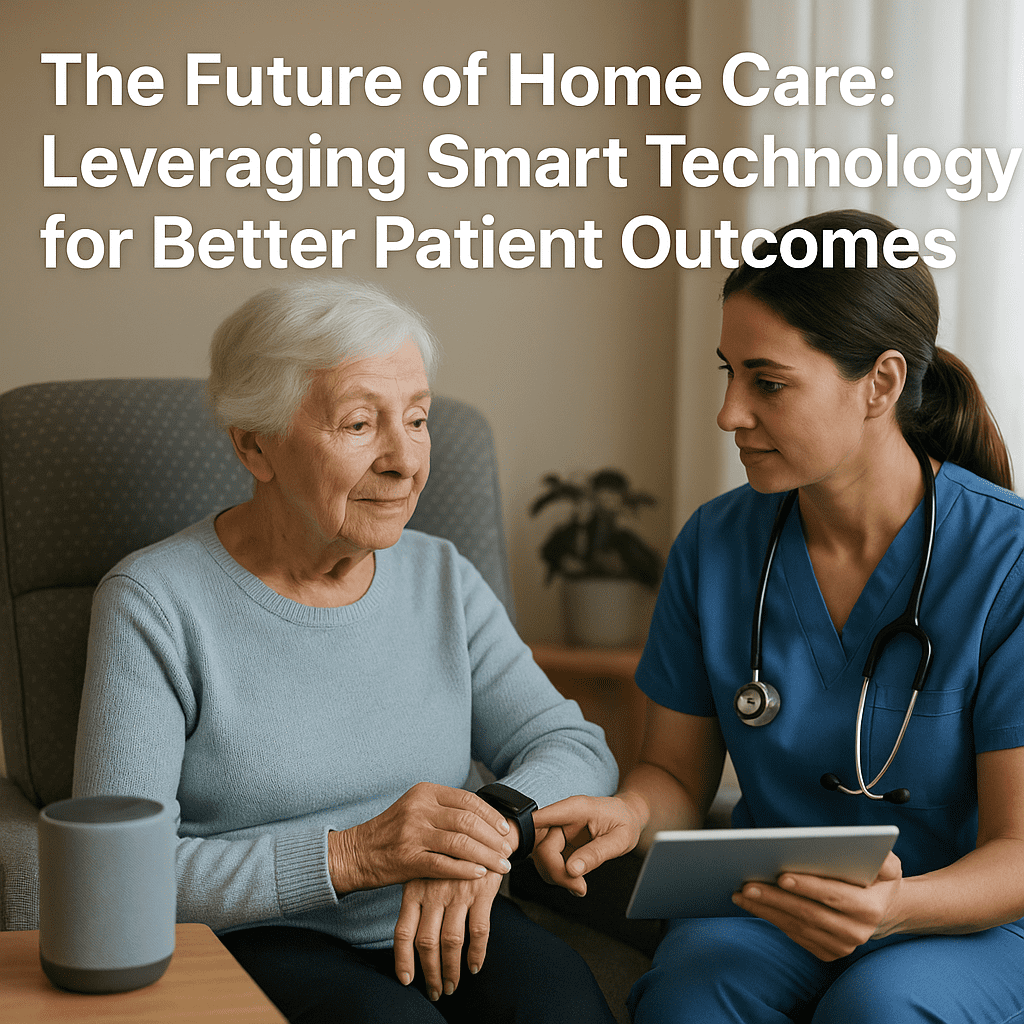
The Future of Home Care: Using Smart Technology for Better Patient Outcomes
Date: February 26, 2024
By: SMPLSINNOVATION
1. Introduction: How Home Care is Changing
Home care is no longer what it used to be. More people are getting the care they need right from their living rooms instead of hospitals. Over the past few years, care at home has grown quickly because it’s more practical, saves money, and often makes people feel more comfortable.
According to a February 2024 study in Nature Digital Medicine, about 65% of post-hospital care in the U.S. now happens at home, supported by smart devices and remote health systems. Research from McKinsey Health Institute found that home care could save the health system around $265 billion every year by 2027.
Thanks to new tools like the Internet of Things (IoT), artificial intelligence (AI), and better ways for data to be shared safely, home care today means more than just “less hospital.” Smart technology is helping patients heal faster, avoid emergencies, and enjoy care that’s made just for them—all while staying in their own homes.
Welcome to a future where even your coffee maker might know how healthy you are.
2. Why Smart Technology Matters in Home Care
Smart home care uses technology to connect patients, doctors, and caregivers in one system. It helps homes become active parts of people’s healthcare without getting in the way of daily life.
Here’s why it’s important:
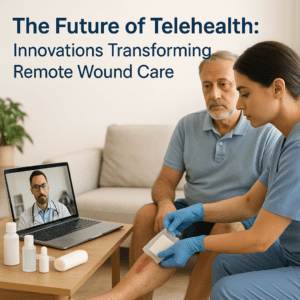
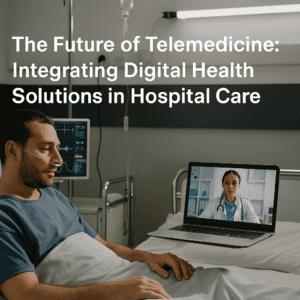
1. Seamless Integration: Smart systems share data between home monitoring devices, medical records, and video visits, so doctors always have the most up-to-date information.
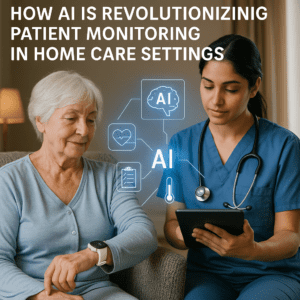
2. Personalized Insights: AI studies the data to create care plans made just for each patient and can spot problems before they become serious.
3. Quick Action: When changes in heart rate, oxygen levels, or sleep patterns happen, alerts go out to doctors or caregivers right away.
4. Better Access: New data-sharing standards make it easier for people to switch care teams without losing important information.
5. Stronger Security: Better encryption keeps personal health data safe from cyber threats.
Smart technology doesn’t replace doctors and nurses—it helps them do their jobs better. For patients, it means care feels more personal and human.
3. The Main Types of Smart Home Care Technology
This is where the exciting stuff happens. From simple sensors to helpful robots, these are ten types of technology improving home care in 2024:
1. Wearable Trackers: Devices now measure heart rate, stress, breathing, and posture all day long.
2. Remote Patient Monitoring: New insurance rules make it easier to track people with long-term conditions from home.
3. AI Virtual Helpers: Voice devices remind patients to take medicine, schedule visits, and even notice speech changes that could signal health problems.
4. Smart Pill Dispensers: These machines use fingerprints to confirm identity, send refill reminders, and check if medicine is taken on time.
5. Telepresence Robots: These robots help patients do exercises and talk with doctors or family from afar.
6. Smart Medical Devices: Inhalers, glucose monitors, and heart patches now link directly to digital dashboards for live updates.
7. Safety Sensors: Motion detectors and fall alerts tell caregivers right away if something unusual happens.
8. Predictive Dashboards: Doctors can see patterns in recovery and fix small issues before they grow worse.
9. Edge Computing: Devices can process important data right at home, cutting response time in emergencies.
10. Interconnected Records: Health systems can now exchange data more easily, helping everyone stay on the same page.
These tools are making it possible for people to heal safely and comfortably at home.
4. Data Privacy, Ethics, and Regulation
With all this new technology, it’s normal to wonder who can see your health information. While smart tools make life easier, they also raise questions about privacy, safety, and fairness.
In early 2024, the U.S. FDA and the European Medicines Agency both updated their digital health rules. They now focus heavily on patient consent, software safety, and cybersecurity.
Here are some of the new rules:
– The FDA now requires devices to have real-time threat monitoring and clear software lists.
– The EU’s AI Act makes companies responsible for avoiding unfair bias in AI healthcare tools.
– HIPAA modernization talks are making sure home monitoring data is properly protected.
– AI programs that act like medical tools must prove their accuracy before being sold.
The message is clear: build new technology, but do it responsibly. In healthcare, trust matters most.
5. What Studies Are Showing
New research from early 2024 shows that these devices aren’t just cool—they actually help people.
– A study in Nature Digital Medicine found that remote monitoring for heart patients lowered hospital readmissions by 28%.
– Hospitals using smart care programs saw a 35% rise in patient satisfaction.
– McKinsey Health Institute reported a 20% drop in chronic disease flare-ups with the use of AI-guided tools.
Other improvements include:
1. Fewer falls among older adults thanks to smart sensors.
2. Faster recovery times after surgeries.
3. Better mental health support through smart speakers with therapy features.
4. Improved blood sugar control from devices that predict readings.
5. More consistent asthma care with smart inhalers.
6. Faster detection of heart problems through wearable ECG devices.
7. Fewer missed dialysis treatments with automated supply tracking.
8. Safer medicine doses through smart pumps.
9. More effective home physical therapy with telepresence robots.
10. Less burnout among caregivers using smart monitoring apps.
Smart home technology is already making a big difference—and it’s only getting better.
6. The Road Ahead
So what’s next? Picture a world where your watch warns you to drink more water, your sink adjusts itself, and falls or medication mistakes are prevented before they happen.
At SMPLSINNOVATION, we believe the future of home care isn’t just about being smart—it’s about being kind and human too. Technology should help people live longer, healthier, and happier lives right in their own homes.
As we like to say, technology is great, but using it to make life better for your loved ones is truly amazing.
© 2024 SMPLSINNOVATION – Health Technology Consulting Done Simply Smarter.