Using Remote Monitoring Technology to Improve Chronic Disease Care at Home
By SMPLSINNOVATION
Health technology consultants who believe that great care doesn’t need four walls.
I. Introduction
Chronic diseases like heart failure, diabetes, and COPD are becoming more common around the world. This puts a lot of pressure on hospitals and clinics. Most people would rather get care at home, where they feel more comfortable, than make constant trips to see their doctor.
Home care is growing fast, but it still has challenges. There aren’t enough healthcare workers, follow-ups can be uneven, and many people struggle to keep track of daily health checks like blood pressure or blood sugar readings.
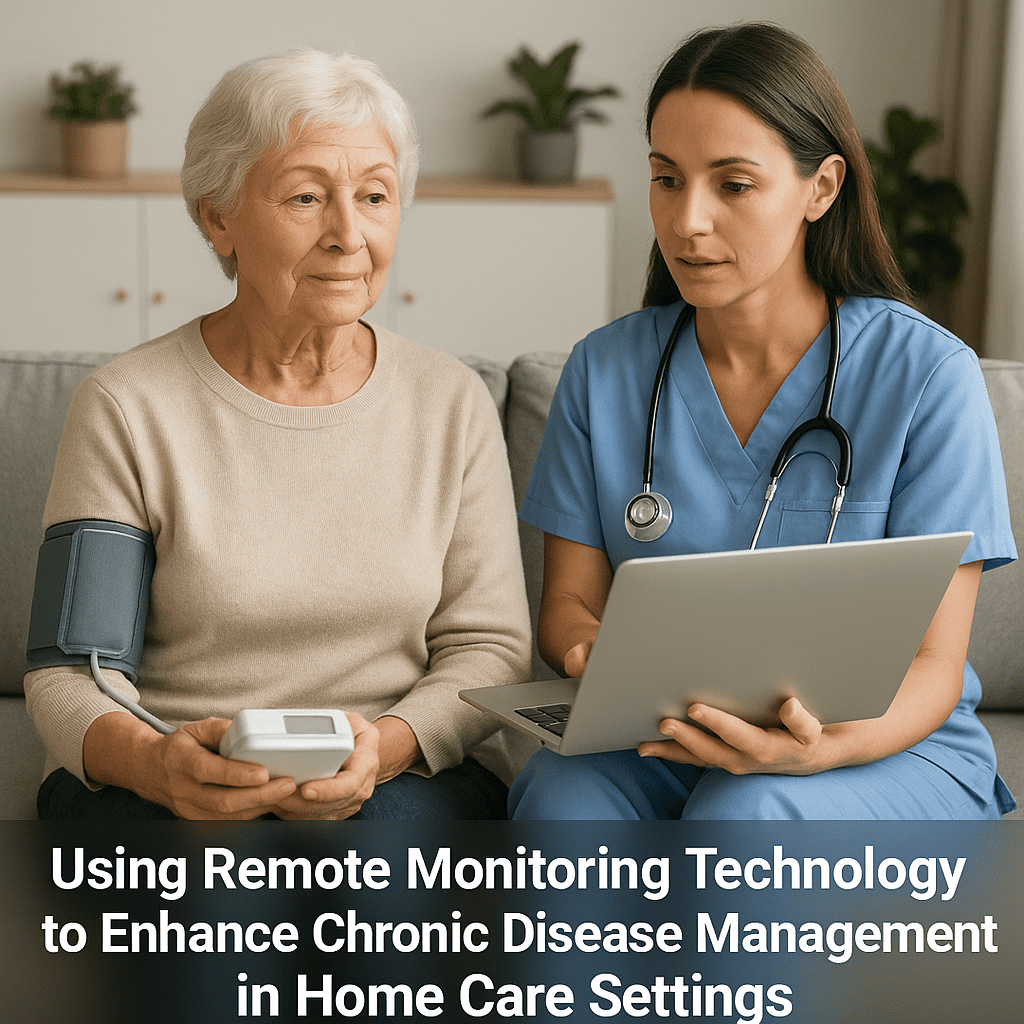
Remote monitoring tools help fix that problem. They let doctors and nurses check in on patients without needing to be in the same room. These digital tools make it easier to track health, spot problems early, and keep patients feeling supported and cared for.
At SMPLSINNOVATION, we’re excited about how technology is changing home care. Let’s look at how remote monitoring started, what tools are used today, and how it helps people manage chronic conditions better.
II. How Remote Monitoring Evolved in Home Care
Remote monitoring didn’t appear overnight. It developed slowly as technology improved.
1. Early telehealth started with simple phone check-ins in the 1990s. Those small steps led to today’s smart systems that can track several health measures at once.
2. With devices like smartwatches and sensors, plus the power of artificial intelligence, doctors can see early signs of trouble even before symptoms appear.
3. Now, care can be personalized for each person. Computer programs can study health data and adjust care plans quickly, even sending reminders based on a person’s habits.
We’ve come a long way from simple phone calls to smart systems that keep people connected in real time.
III. Top Remote Monitoring Tools in 2024
In 2024, many exciting new tools are helping home care providers keep patients safe and healthy:
1. Wearable sensors like heart rate patches and oxygen monitors that catch early signs of change.
2. Continuous glucose monitors that link to phones and insulin pumps for people with diabetes.
3. Smart devices that send blood pressure, weight, and temperature readings directly to doctors.
4. Medication tools that remind patients when to take their pills and alert caregivers if doses are missed.
5. AI programs that study health data and warn about possible problems before they get serious.
6. 5G devices that send information very fast, making video visits and data sharing smoother.
7. Cloud-based systems that help doctors, pharmacists, and families work together easily.
8. Lung monitoring devices that track breathing for patients with COPD or asthma.
9. Virtual nurse assistants that remind patients to take their readings and answer basic questions.
10. Secure systems that connect home data safely to medical records so everyone sees the full picture.
These tools are turning home care into something smarter, faster, and more personal.
IV. How Remote Monitoring Helps Patients and Providers
What really matters is how these tools improve lives. Here are the main benefits:
1. Early problem detection so issues can be treated before they become emergencies.
2. Fewer hospital visits and readmissions.
3. Patients learn more about their own health, which helps them make better choices.
4. Doctors can make better decisions using real-time information rather than guessing between visits.
5. Care plans can be more personalized for each person’s needs.
6. Smart reminders make it easier to take medicine on time.
7. Avoiding hospital stays and emergencies saves money for everyone.
8. Families can see how their loved one is doing and feel more at ease.
9. Patients feel more independent and confident managing their health at home.
10. Health data can help communities find patterns and plan better care.
11. Bonus: Remote care helps people in rural or low-access areas get the same level of support as anyone else.
Simply put, remote monitoring helps people stay home, stay healthy, and stay connected.
V. What Home Care Providers Should Know
Before starting a remote monitoring program, there are a few important things to keep in mind:
1. Follow the latest healthcare rules and make sure devices and data are used safely.
2. Protect patient privacy through strong encryption and clear data-sharing policies.
3. Make sure the new technology works smoothly with existing electronic health records so staff aren’t overwhelmed.
4. Train staff to feel confident using digital tools and responding to alerts.
5. Help patients who aren’t used to technology so they can set up and use their devices easily.
6. Plan new workflows so that data alerts don’t overload staff and cause alarm fatigue.
7. Choose vendors who design their tools to connect easily with other systems.
8. Use artificial intelligence responsibly, making sure it supports—not replaces—doctors.
9. Understand how reimbursement and payment programs will cover these services.
10. Keep checking results and feedback to make sure the system works well and stays effective.
VI. The Road Ahead: A Simpler Future
By 2024, one thing is certain—the future of chronic disease care is connected. Remote monitoring isn’t just a bunch of devices; it’s a smarter way to deliver healthcare that keeps patients and providers in sync.
At SMPLSINNOVATION, we help healthcare teams bring these digital tools to life through smart strategy, the right technology, and simple design. Because we believe innovation should make life easier, not harder.
Whether you’re just starting with remote monitoring or expanding your program, now is the time to act. Remote monitoring is not just a trend—it’s becoming the heart of modern home care.
Smile—you’re already taking steps toward smarter, healthier living.