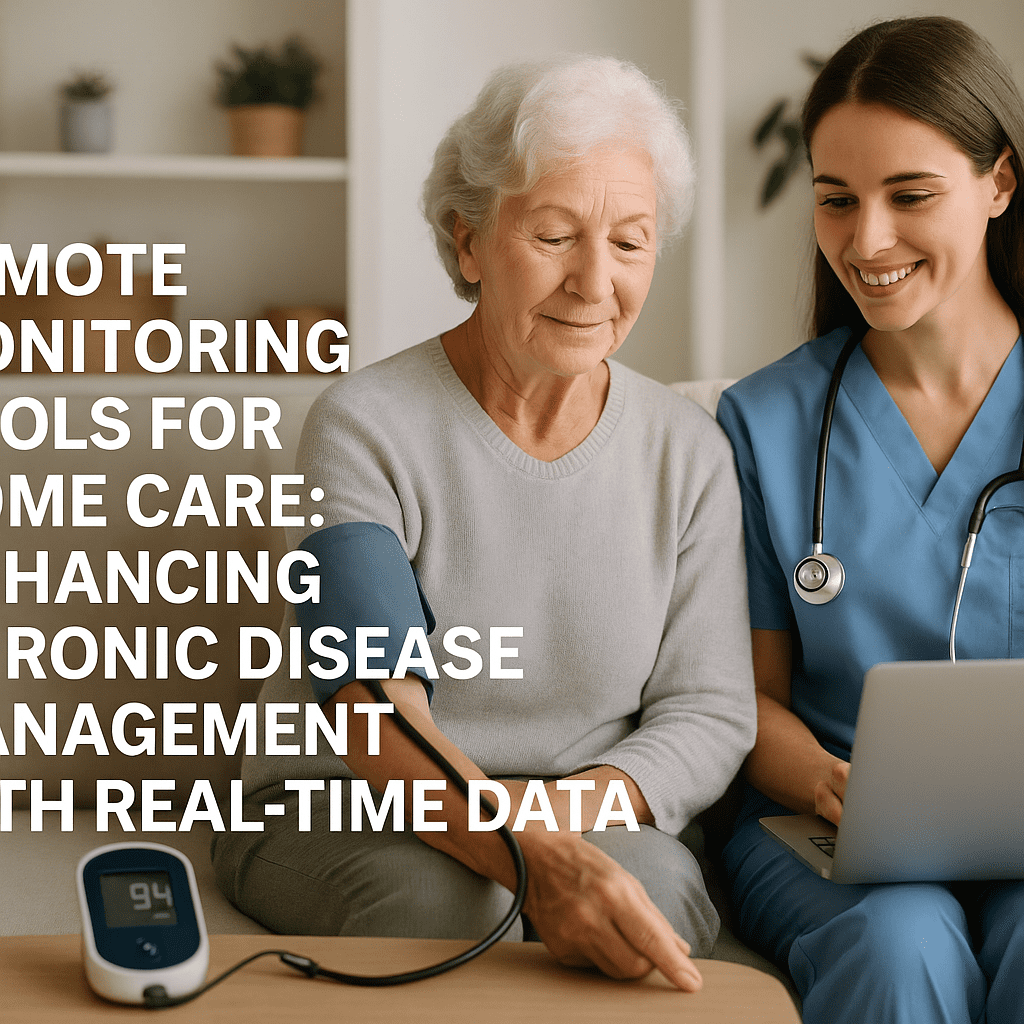
Remote Monitoring Tools for Home Care: Helping Manage Chronic Diseases with Real-Time Data
Published by SMPLSINNOVATION — February 2024
I. Introduction: A New Way to Manage Long-Term Health at Home
We’re now living in a time when your socks can check your heart rate, your inhaler can talk to your phone, and an app might remind you not to skip your morning walk. Caring for people with long-term illnesses like diabetes, asthma, or heart disease is changing fast. Instead of rushing to help someone only after they get sick, care is now more about stopping problems before they start.
New research in several health journals in 2024 shows that remote monitoring is more than just helpful—it’s transforming how we take care of people. These tools collect health data all the time and send it to doctors and nurses who can spot early warning signs.
The results look great. People using these tools are spending less time in hospitals, taking their medicine more regularly, and feeling better overall. All this progress fits on small, smart devices that work quietly in the background.
II. The Growing World of Remote Monitoring
Remote monitoring became really popular during the COVID-19 pandemic when most health visits were done through video calls. Between 2020 and 2023, telehealth use grew about twenty times. By 2024, it had become far more advanced. Now, devices can send live health readings to secure systems where computers watch patterns all day and night.
Some trends shaping remote health monitoring in 2024 include:
1. Seamless integration with digital health systems so everything works together.
2. Clearer rules and better data privacy from global health agencies.
3. Big companies like Amazon, Google, and Best Buy expanding into home health tools.
4. Artificial intelligence helping doctors understand complex health data.
5. Better data sharing between devices and healthcare software.
We’ve entered a new mix of clinic and living room—connected, smart, and caring.
III. Important Parts of Today’s Remote Monitoring Systems
Modern remote systems usually include several key parts:
1. Wearable sensors such as glucose monitors, heart patches, or oxygen trackers.
2. Connected medical devices like smart inhalers and digital blood pressure cuffs.
3. Easy-to-use apps and dashboards that help patients see and understand their data.
4. Secure cloud storage and analytics that turn numbers into helpful advice.
5. Systems that share information smoothly with doctors’ electronic records.
6. Alert systems that warn patients and caregivers before small issues grow.
7. Artificial intelligence that finds tiny changes in body signals.
8. Voice assistants that make it easy to check information hands-free.
9. Coaching features that give reminders and encouragement.
10. Team communication tools that help doctors, nurses, and families work together.
All these tools make care more active and connected.
IV. Top Remote Monitoring Tools in 2024
Competition is strong, and that’s great news for patients. Here are ten leading tools making a difference in 2024:
1. Philips HealthSuite RPM — tracks multiple diseases with smart insights.
2. Medtronic Guardian Connect — helps improve blood sugar control.
3. Dexcom G7 — connects smoothly with phones and fitness trackers.
4. iRhythm Zio Monitor — a small patch that quickly spots irregular heartbeats.
5. Omron VitalSight — shares blood pressure readings directly with doctors.
6. BioIntelliSense BioSticker — monitors breathing, temperature, and movement.
7. Current Health by Best Buy — supports care from hospital to home.
8. Amazon Clinic RPM Pilot — combines health tracking with personal reminders.
9. ResMed AirView — helps manage sleep and breathing problems.
10. Babylon Health RPM — uses AI to notice changes before symptoms appear.
These new tools make home health care better, faster, and more connected than ever.
V. Benefits for Managing Chronic Diseases
Using remote monitoring makes a real difference. Some of the main benefits include:
1. Finding health issues early, often before a person feels sick.
2. Helping patients remember to take medicine on time.
3. Fewer hospital visits and readmissions.
4. Making people more involved in their own care.
5. Giving doctors cleaner, faster information.
6. Adjusting treatments quickly based on real data.
7. Saving money by preventing emergencies.
8. Giving patients peace of mind knowing they’re being watched safely.
9. Improving teamwork among all caregivers.
10. Allowing clinics to care for more people without extra stress.
Remote monitoring makes care more constant and personal.
VI. Challenges Still Ahead
Even with all these benefits, there are some challenges:
1. Too much data can overwhelm doctors without the right filters.
2. Old computer systems can be hard to connect with new ones.
3. Some patients struggle with using digital tools.
4. Privacy and data safety are always important concerns.
5. Payment and insurance systems are still catching up with new methods.
Solving these problems will take teamwork among technology companies, health providers, and policymakers.
VII. What’s Next
The future of remote care will be even smarter. Devices will work together to predict problems before they happen. Imagine your smartwatch, air sensor, and sleep tracker all sharing data to help prevent breathing issues.
Soon, we’ll see clothing that tracks body hydration, better AI tools, and even more ways for patients to stay healthy at home. The goal is clear—keeping people safe, comfortable, and cared for wherever they are.