How Remote Monitoring Tools Are Changing Chronic Disease Care at Home in Australia
Introduction
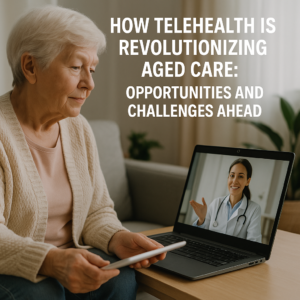
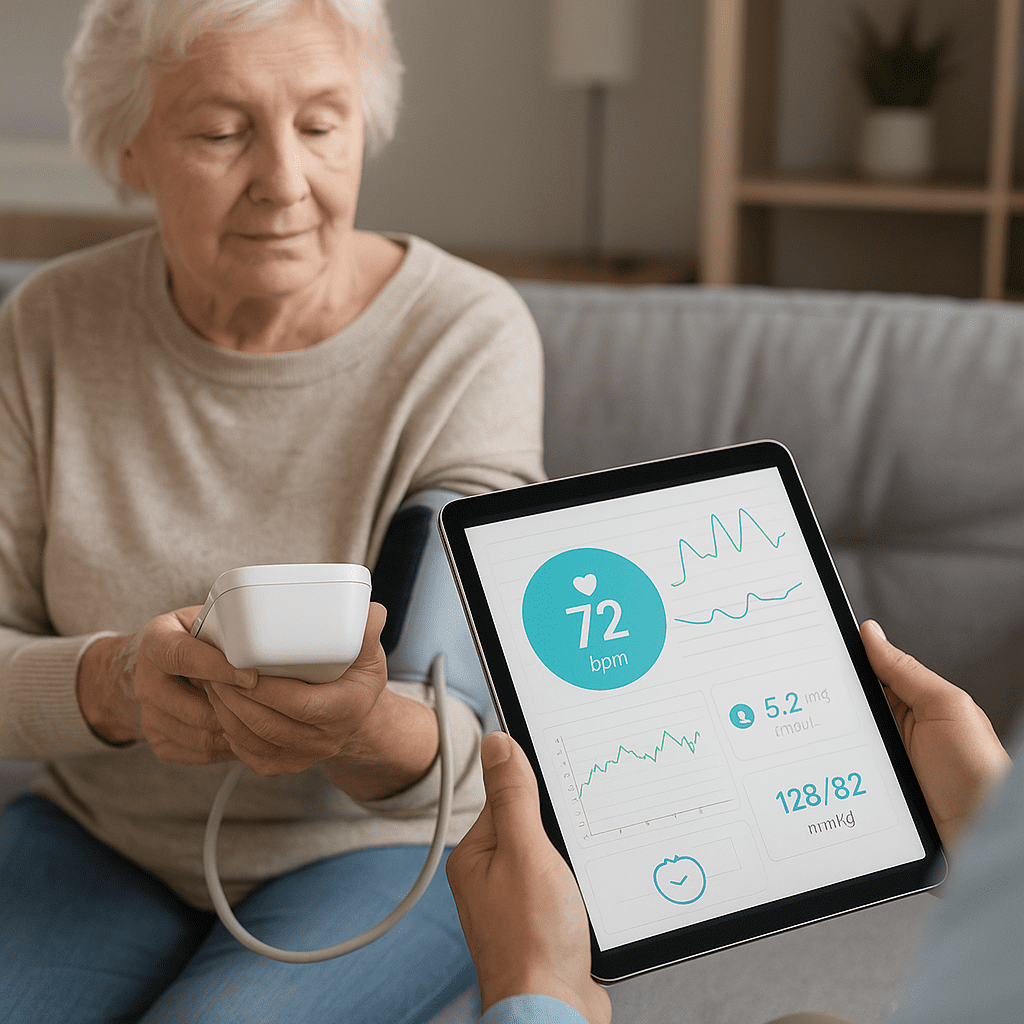
Picture this. Grandma June is sitting in her comfy chair in country New South Wales, sipping her tea. On her wrist is a small device quietly sending her blood pressure to her doctor in real time. No waiting rooms. No hold music. Just peace of mind.
This isn’t some distant future. It’s happening right now.
Australia’s health system is dealing with big challenges. More people are living longer, which is wonderful, but it also means more cases of diabetes, heart disease, lung conditions, and other chronic illnesses. At the same time, doctors, nurses, and carers are stretched thin.
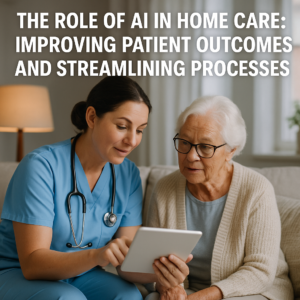
This is where remote monitoring tools step in. They don’t wear capes, but they are making health care smarter and easier. These tools can track, alert, and even help prevent emergencies, all while keeping people comfortable at home.
The Burden of Chronic Disease in Australia
Chronic disease is one of Australia’s biggest ongoing health problems.
– Almost half of Australians live with at least one chronic disease.
– Around two-thirds of health spending goes toward chronic conditions.
– Many patients end up going in and out of hospital repeatedly.
– Life with chronic illness often means pain, tiredness, and stress, which makes home support very important.
What Remote Monitoring Tools Are
Remote monitoring is not just a video call with your doctor. It means using devices that measure your health and send the results directly to your care team.
Some key tools include:
– Wearables like smartwatches and patches that track heart rate, sleep, or blood pressure
– Connected devices such as scales, blood pressure cuffs, or lung monitors
– Continuous glucose monitors for people with diabetes (no constant finger pricks)
– Cardiac monitors that pick up heart rhythm problems early
– Smart inhalers that track and remind people with asthma or COPD
– Mobile apps linked with My Health Record
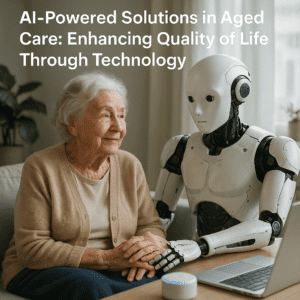
– AI tools that spot dangerous trends before they become emergencies
Top 10 Benefits of Remote Monitoring
Here’s why these tools are becoming so popular:
1. Problems are caught earlier, before things get worse.
2. Fewer unplanned hospital visits.
3. Treatments can be adjusted quickly.
4. Patients feel more in control.
5. Care teams and patients stay connected.
6. Reminders help people take their medicine on time.
7. Nurses can support more patients without burning out.
8. Data helps prevent illness instead of just treating it.
9. Records are easily shared through My Health Record.
10. Health care costs can be reduced.
Adoption Trends in Australia
Is Australia using this technology? Yes — and fast.
– The government is pushing integration with My Health Record.
– CSIRO is trialing virtual monitoring in regional areas.
– Aged care providers are adding wearables and apps into daily routines.
– Remote heart monitoring is cutting down hospital visits in rural NSW.
– Hospitals are testing “virtual wards,” where patients are cared for from home.
Challenges of Remote Monitoring
Of course, there are still some hurdles:
1. Not everyone is comfortable with technology.
2. Poor internet makes devices useless in some regions.
3. Different systems often don’t connect well.
4. Devices use different “languages,” making sharing tricky.
5. Privacy and consent concerns about data.
6. Devices can be expensive.
7. Some doctors are tired of learning new systems.
8. Cybersecurity risks make health data a target.
9. Training for staff and patients is often lacking.
10. People in remote or poor communities may be left out.
The Path Forward
These problems can be solved through teamwork and innovation. At SMPLSINNOVATION, our goal is to make technology transitions simple and stress free so providers, carers, and patients can enjoy the benefits.
What needs to happen now:
– Expand successful pilot programs nationally.
– Offer subsidies and rebates to make devices affordable.
– Improve app design so they’re easy to use.
– Build stronger partnerships between tech companies, aged care providers, and doctors.
– Strengthen internet access across regional Australia.
Conclusion
Remote monitoring isn’t about fancy gadgets. It’s about helping people with chronic illness live better lives, avoiding hospital visits, and giving carers more tools to support them.
Instead of emergency sirens, patients get early digital reminders. Instead of long hospital waits, families enjoy faster, proactive care right at home.
At SMPLSINNOVATION, we are helping providers, aged care groups, and innovators choose the right tools, connect everything into My Health Record, and make the change smooth. Think of us not as consultants with clipboards, but as co-pilots with Wi-Fi.
Final Takeaway: Remote monitoring is no longer a luxury. It is an essential part of managing chronic disease and home care in Australia. Done right, it means patients feel safer and happier, carers feel less stress, and yes — Grandma June gets to keep enjoying her tea at home.