How Remote Monitoring Devices Are Changing Home Care for People with Chronic Diseases
By SMPLSINNOVATION Health Technology Consulting
Published: March 8, 2024
1. Introduction
Have you ever wished your blood pressure monitor could tell your doctor when something was wrong? Well, welcome to the future! With remote patient monitoring (RPM) technology, more of your health data can now be tracked and shared with your care team without you even leaving your home.
In 2024, more than half of all adults around the world are living with long-term illnesses like diabetes, heart failure, COPD, and high blood pressure. Managing these conditions takes time and effort, so healthcare systems are using what we call “digital stethoscopes for the home.”
Thanks to new sensors, cloud systems, and smart computer programs, home health care has gone from “wait until something hurts” to “get an alert before things get bad.” The digital home care revolution is here, and it’s for everyone—not just for people who love gadgets.
2. The Current Landscape of Chronic Disease Management
Chronic diseases last a long time, but traditional care often depends on clinic visits a few times a year and patients remembering to report how they feel. That makes it easy to miss important daily changes in health, diet, or medication use. People in small towns or far from hospitals may find it even harder to get help in time.
Remote monitoring helps close these gaps in three main ways:
1. It provides continuous, real-world health data, not just quick checkups.
2. It improves access to care even in rural or underserved areas.
3. It helps patients take more control over their health each day.
This has built a new kind of healthcare system—one that works not only in hospitals, but also in living rooms, kitchens, and even gardens.
3. What Are Remote Monitoring Devices (RMDs)?
Here’s a simple way to understand the difference:
– Telehealth means having video or phone appointments with doctors.
– Fitness trackers help you keep an eye on your steps and general wellness.
– Remote Monitoring Devices collect real medical data, send it to your care team, and use smart software to spot changes or risks.
These devices are not just about counting steps—they help keep people out of the hospital.
Key parts of RMDs include:
1. Biosensors that measure heart rate, blood sugar, oxygen, or breathing.
2. Mobile apps that show and send data to your doctor.
3. Cloud dashboards that collect and display information.
4. AI programs that predict problems before they happen.
Regulations and safety rules are also improving. In 2024, the FDA and the European Union made new policies that focus on cybersecurity and faster approvals for safe, medical-grade devices.
4. Top 10 Remote Monitoring Devices and Technologies in 2024
1. Continuous glucose monitors that track blood sugar all day.
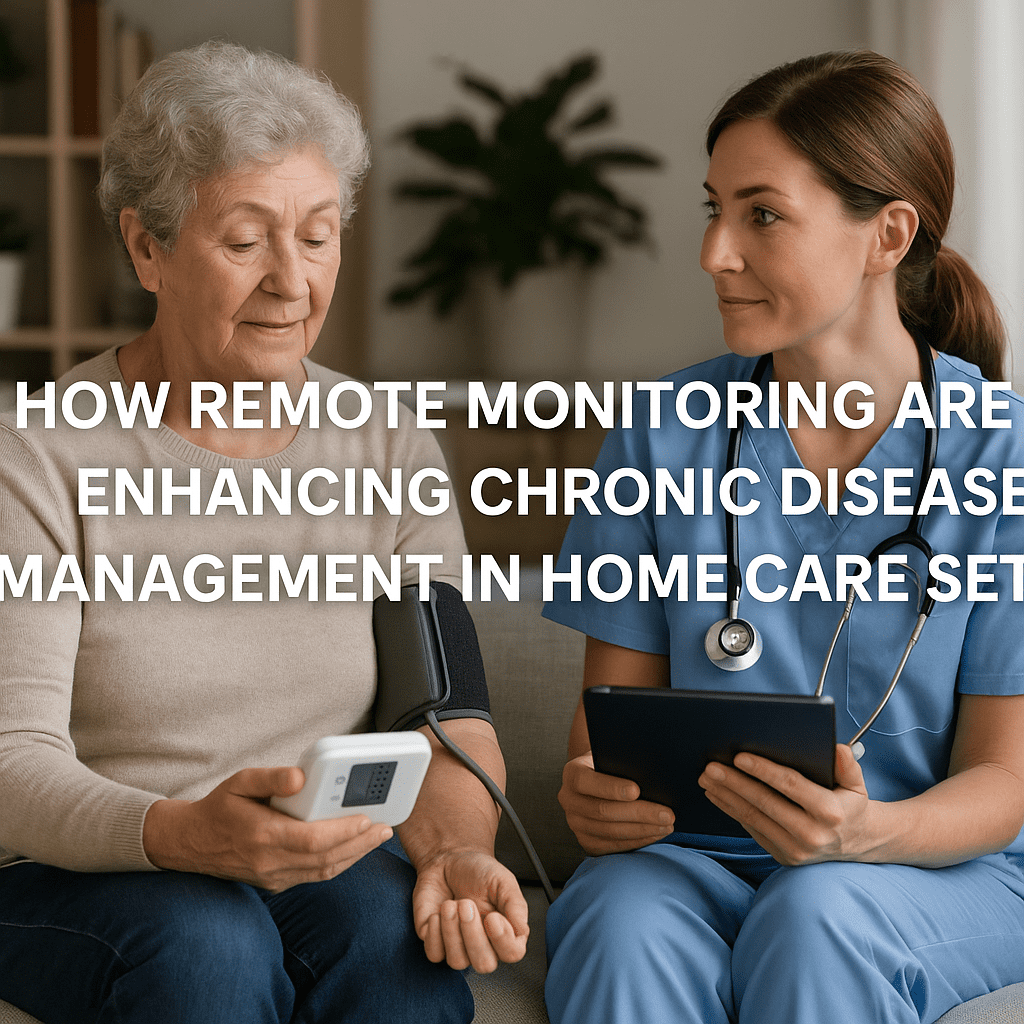
2. Smart blood pressure cuffs that watch for long-term changes.
3. Wearable ECG monitors that check for abnormal heart rhythms.
4. Advanced pulse oximeters for people with lung or heart problems.
5. Smart scales that help detect early signs of heart failure.
6. Connected inhalers that remind patients when to take medicine.
7. Smart insulin pens that record doses automatically.
8. Sleep monitors that show patterns linked to stress and breathing.
9. Digital thermometers that can send infection alerts.
10. Smart pill sensors that track if and when medicine is taken.
These tools help lower hospital visits, cut costs, and give patients more confidence in managing their health.
5. Research Insights from Early 2024
Studies show remote monitoring really works:
– The Lancet Digital Health reported a 24% drop in hospital readmissions for heart failure patients.
– JAMA Network Open found that diabetes care with RPM was 18% more cost-effective.
– Nature Digital Medicine showed that AI-based monitoring improved alert accuracy by over 20%.
– The World Health Organization noted a 37% rise in global RPM use since 2022.
– The FDA approved almost twice as many digital health devices in 2024 compared to 2022.
These numbers prove that connected care is now essential, not optional.
6. Top 10 Benefits of Remote Monitoring
1. Personalized treatments made with real-time data.
2. Early warnings before a health crisis.
3. Fewer hospital visits and lower stress.
4. More accurate decisions based on real information.
5. Greater patient involvement in daily care.
6. Better medication reminders and tracking.
7. Lower healthcare costs.
8. Easier caregiver support through shared dashboards.
9. Improved communication between doctors and patients.
10. Insights that help improve public health.
At SMPLSINNOVATION, we believe RPM turns reactive care into proactive, compassionate care driven by smart data.
7. Challenges and How to Overcome Them
There are still some challenges with RPM:
1. Data overload for doctors—AI can help sort important information.
2. Poor internet access—devices can use simpler apps or offline functions.
3. Privacy and security risks—strong encryption and clear rules are key.
4. Payment systems that are still adjusting—new billing codes are helping.
5. Low user engagement—fun apps and simple training can fix that.
We don’t just set up the technology—we help people use it successfully.
8. The Future: Smarter, Smaller, and Easier
By 2026, more than 100 million people with chronic conditions are expected to use remote monitoring devices. These tools are getting smaller, smarter, and easier to use.
New ideas include:
– Tiny biosensors worn like skin patches.
– Voice-activated home assistants connected to health systems.
– AI programs that predict flare-ups before symptoms start.
Soon, managing a long-term condition will be much simpler and can happen from the comfort of home.
9. Conclusion
From smart glucose monitors to connected inhalers, remote monitoring devices are changing the way we care for chronic diseases. They bring better health, fewer hospital visits, and more control right into people’s homes. The future of healthcare is connected, personal, and already here.