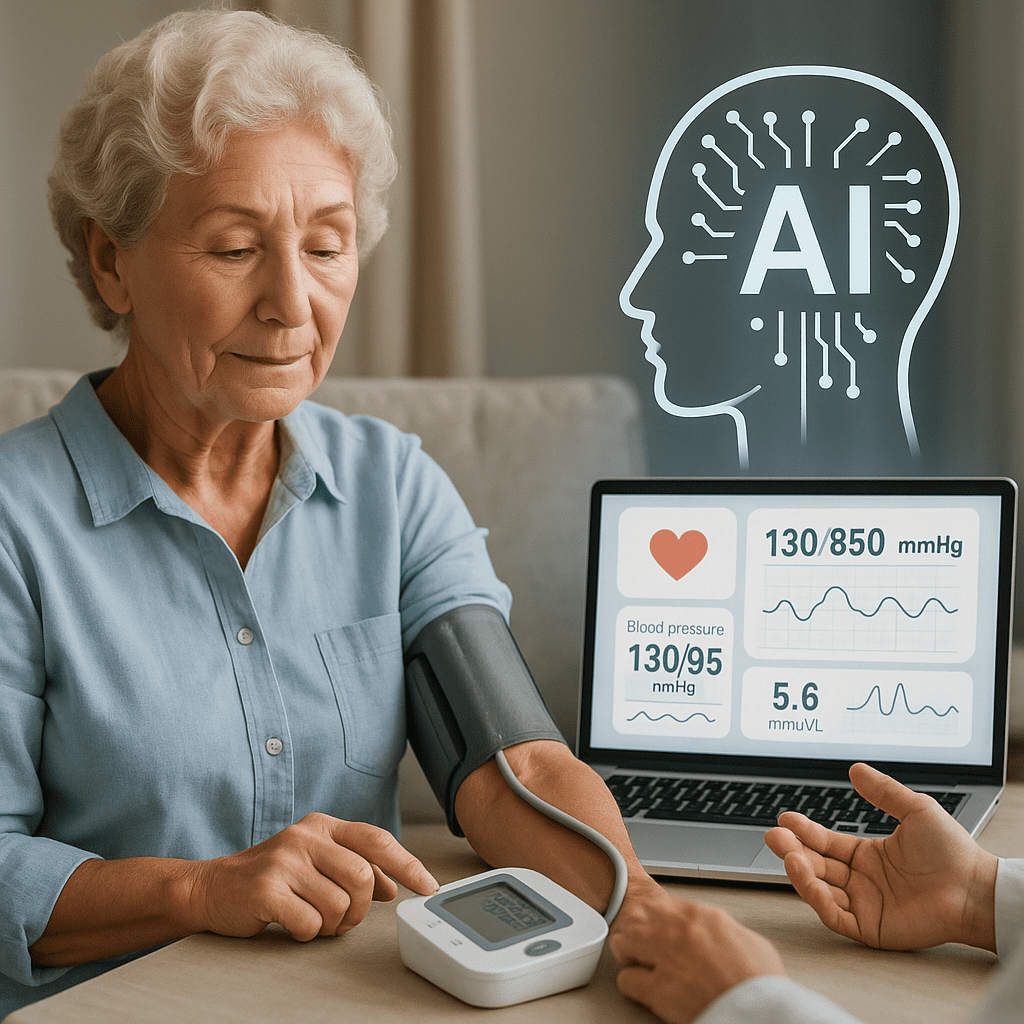
How AI-Powered Remote Monitoring Is Changing Chronic Disease Care at Home
By SMPLSINNOVATION — keeping health tech simple and smart!
I. The Problem and the Promise
Let’s be honest — chronic diseases stick around like unwanted guests. They’re costly, long-lasting, and hard to manage. The World Health Organization says illnesses like diabetes, heart problems, COPD, and high blood pressure cause more than 70% of all global deaths. They also eat up a huge part of healthcare budgets.
The old way of care — check-ups every few weeks and waiting for symptoms — just isn’t enough anymore. Patients wait too long between visits, doctors get buried in paperwork, and early warning signs often go unnoticed.
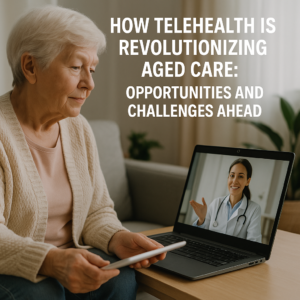
That’s where AI-powered remote patient monitoring (RPM) comes in. Using smart sensors and computer learning, it helps doctors track patients at home in real time. It’s like having a digital guardian angel that alerts your doctor before things get worse.
AI-based RPM makes care continuous, personal, and predictable. It helps people stay healthier, gives doctors better tools, and saves money.
II. The State of Chronic Disease Care in 2024
The world is doing better — but not great — when it comes to managing chronic diseases.
Over 1.4 billion people now live with at least one chronic illness. The global cost is more than $2 trillion a year and could rise 20% by 2030. In the United States, 93 million adults deal with at least one chronic condition.
Caring for these patients at home is tough. There aren’t enough healthcare workers, and delays or poor data sharing make things harder. Many people still don’t have access to the latest technology or remote tools.
COVID-19 changed that. Virtual visits became normal, and digital tools proved they could keep care going safely from a distance. Remote monitoring has grown by almost 70% a year, and new programs are spreading across Europe and Asia.
Digital health is no longer optional — it’s essential.
III. The Technology Behind AI-Powered Remote Monitoring
AI-powered RPM uses many technologies working together. Some of the most important include:
1. Machine learning that predicts health problems before they happen.
2. Wearable sensors like glucose monitors or heart patches that track health 24/7.
3. The Internet of Medical Things, which connects devices to healthcare systems.
4. Language processing tools that help doctors read and summarize patient notes faster.
5. Cloud systems that process data quickly from anywhere in the world.
6. Privacy-safe learning models that train AI without sharing personal data.
7. Digital twins, or virtual copies of a patient’s body, to test treatments.
8. Helpful chatbots that remind patients about medicine and check-ins.
9. Tools that combine data from devices, records, and patient reports.
10. AI systems that turn big data into useful advice for doctors.
Together, these tools make home-based care smarter and more effective.
IV. The Benefits of AI in Chronic Disease Management
AI-powered monitoring brings real-world improvements, such as:
1. Finding early warning signs days before a crisis.
2. Adjusting treatment plans based on real data.
3. Helping patients remember to take their medicine.
4. Reducing hospital visits and emergency trips.
5. Increasing patient confidence and engagement.
6. Making teamwork between doctors easier.
7. Cutting costs by preventing serious problems.
8. Reducing doctor burnout by handling routine tasks.
9. Bringing care to people in remote or poor areas.
10. Getting smarter over time through constant learning.
The result is happier patients, calmer doctors, and fewer emergency situations.
V. Real-World Results
This technology is already changing lives:
– For diabetes, AI tools predict blood sugar changes before they happen.
– For heart failure, AI monitoring cuts hospital readmissions by nearly 40%.
– For COPD and asthma, smart inhalers predict flare-ups based on air quality.
– For high blood pressure, connected cuffs help doctors track levels continuously.
These tools are no longer just tests — they’re real and growing fast.
VI. Challenges and Ethics
Of course, new technology brings new challenges.
1. Health data must stay private and secure.
2. AI must be trained fairly to avoid bias.
3. Some patients still can’t afford or access digital tools.
4. Rules and approvals move slower than innovation.
5. Doctors need to trust what the AI suggests and understand why.
The best solutions use open standards, protect privacy, and always keep the human side of care.
VII. The Future of Smarter, Kinder Care
By 2030, experts predict that one out of every four chronic disease patients will use AI-assisted home monitoring. Imagine a friendly reminder that says, “Hey Susan, great heart rate today! Been out walking?”
Soon, care will be not just reactive but predictive — spotting trouble before it starts. As AI and new sensors grow smarter, care will become more connected and kind.
VIII. A Simpler, Smarter Tomorrow
At SMPLSINNOVATION, we believe technology should make life easier, not harder. AI-powered remote monitoring does exactly that.
It doesn’t replace doctors — it supports them. It doesn’t take away the personal touch — it makes care more personal. The future of health care is continuous, intelligent, and simple.
Here’s to fewer hospital visits and a healthier tomorrow.