How AI-Powered Predictive Analytics Is Reducing Hospital Readmissions in Australia
Hospital readmissions have been a big problem in Australia’s healthcare system. The Australian Institute of Health and Welfare (AIHW) reported in 2023–2024 that unplanned readmissions within 28 days of discharge cost more than 2.4 billion dollars each year. That’s a lot of stress for patients, doctors, and hospitals. With an ageing population and more chronic illness, the challenge keeps growing.
This is where predictive analytics comes in.
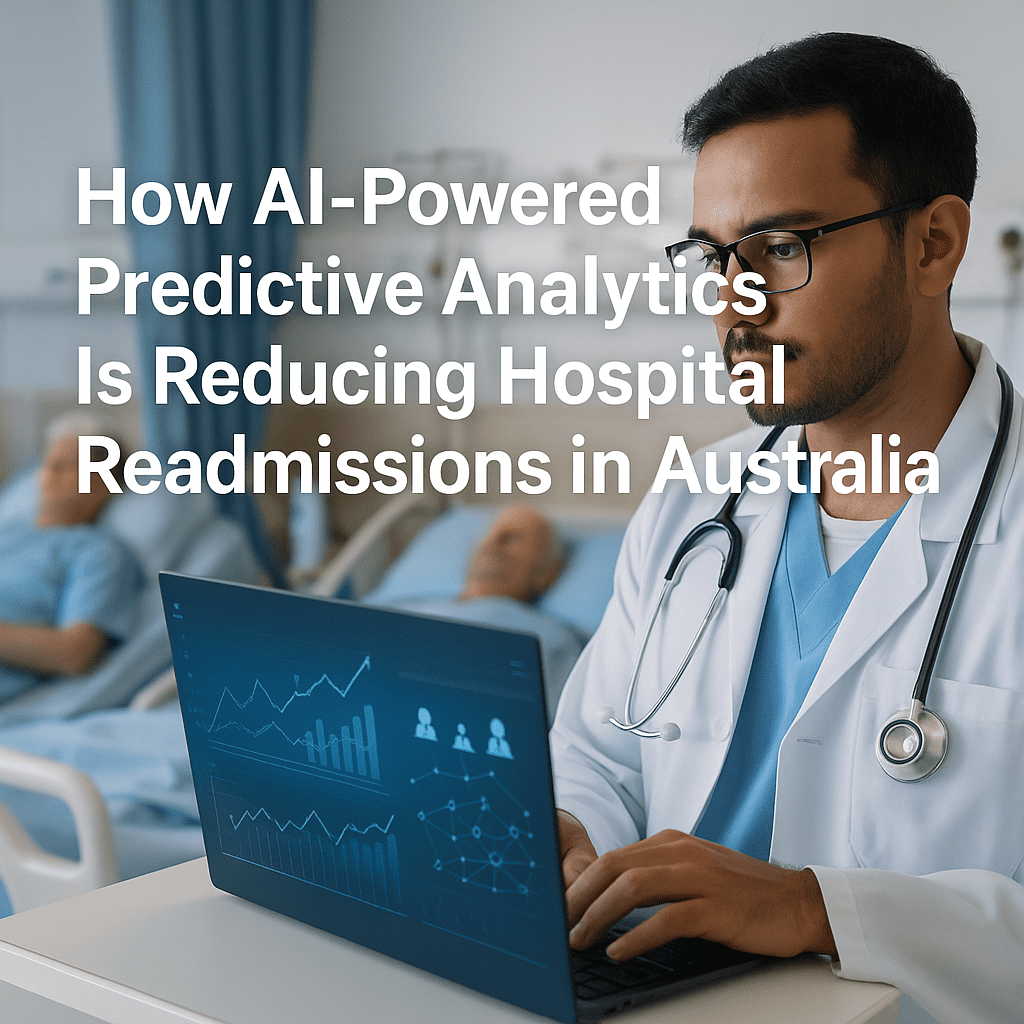
Predictive analytics uses artificial intelligence (AI), machine learning, and data to help hospitals spot which patients might come back to hospital and why. Instead of waiting for someone to get sick again, hospitals can step in early to prevent it.
At SMPLSINNOVATION, we’re excited about how these tools help people and the healthcare system at the same time. With AI-powered predictive analytics, hospitals can reduce readmissions, improve patient care, and take pressure off busy staff.
Current State of Hospital Readmissions in Australia
Hospital readmissions are complicated, and data shows they’re still a big issue.
According to the AIHW report published on 28 May 2024, 8.5 percent of surgical patients and 10.9 percent of patients with chronic conditions were readmitted to hospital within 28 days. These numbers may sound small, but they mean tens of thousands of Australians go back to hospital each year, often for problems that could be prevented.
Main reasons include:
1. Chronic diseases such as heart failure, COPD, and diabetes that need ongoing care.
2. Poor follow-up care after discharge or lack of home monitoring.
3. Confusion about medications or how to take them.
4. Social and economic barriers like distance, costs, or lack of access to care.
Government programs are helping. The Australian Digital Health Agency (ADHA) is building stronger digital systems, including better data-sharing through My Health Record, improved home monitoring standards, and funding for hospitals that use AI decision tools.
These programs help hospitals move from reacting to predicting and preventing readmissions.
Understanding AI-Powered Predictive Analytics
Predictive analytics uses data to guess what might happen next. In healthcare, that means using information about patients to predict who might need extra help.
It works by using:
1. Machine learning that studies patterns from large amounts of medical data.
2. Electronic Health Records (EHRs) that hold doctor notes, lab results, and vital signs.
3. Statistical and AI tools that find hidden links people may miss.
Australia is leading the way with this technology. NSW Health tested deep learning models that could predict 30-day readmissions with 87 percent accuracy. Monash Partners Academic Health Science Centre built a system that quickly reads large amounts of health data, cutting analysis time from weeks to seconds.
Regular analytics looks at the past, but AI-powered predictive analytics looks ahead.
How Predictive Analytics Is Reducing Readmissions
AI predictive tools are already helping hospitals across Australia. Here are ten ways they make a difference:
1. Find high-risk patients early.
2. Create care plans based on individual needs.
3. Use smartwatches and sensors to track health in real time.
4. Alert doctors when health data looks risky.
5. Improve discharge planning.
6. Help nurses follow up with the right patients at the right time.
7. Identify people who may forget or skip medications.
8. Support home-based care with smart monitoring tools.
9. Help schedule doctors and nurses where they’re needed most.
10. Guide treatment decisions using data predictions.
These actions don’t just prevent readmission—they help people recover safely and feel more supported once they leave hospital.
Case Studies in Australian Hospitals
Monash Health used AI models trained on five years of data to predict 30-day readmissions for general medicine patients. The hospital reduced readmissions by 16 percent in one year.
Queensland Health used real-time dashboards across its hospitals. Doctors and nurses could see which patients were most at risk and arrange follow-ups quickly. This cut unplanned readmissions by 12 percent.
Royal Prince Alfred Hospital in Sydney used AI tools to find heart failure patients at risk of returning soon after discharge. Their program lowered readmissions by almost 20 percent.
The Wider Benefits
When hospitals lower readmissions, the whole healthcare system benefits. Predictive analytics helps by:
• Saving money that would have been spent on extra hospital stays.
• Letting staff focus on prevention instead of emergencies.
• Reducing bias through data-based decisions.
• Helping patients feel more in control through clear follow-up and reminders.
Overall, fewer readmissions mean happier patients and less pressure on hospital staff.
Challenges and Ethics
Of course, there are still challenges:
1. Keeping patient data private and safe.
2. Making sure algorithms are fair to everyone.
3. Updating old hospital computer systems.
4. Training staff so they trust and understand AI tools.
5. Following health data rules and regulations.
Hospitals that handle these issues well can use AI confidently and safely.
The Road Ahead
Predictive analytics in healthcare is moving fast in Australia. Soon, we’ll see:
1. National systems that share health data safely.
2. AI connected to My Health Record for easier use.
3. Real-time patient monitoring through wearable technology.
4. AI-based telehealth that supports follow-up care.
5. Partnerships between hospitals, technology companies, and research groups to drive innovation.
AI-powered predictive analytics is helping hospitals not just fix problems, but prevent them—meaning a stronger, fairer, and more caring healthcare system for everyone.