Exploring Sustainable Fashion: How Eco-Friendly Materials Are Changing the Industry
Published: March 6, 2024
I. Introduction
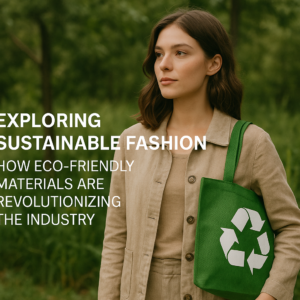
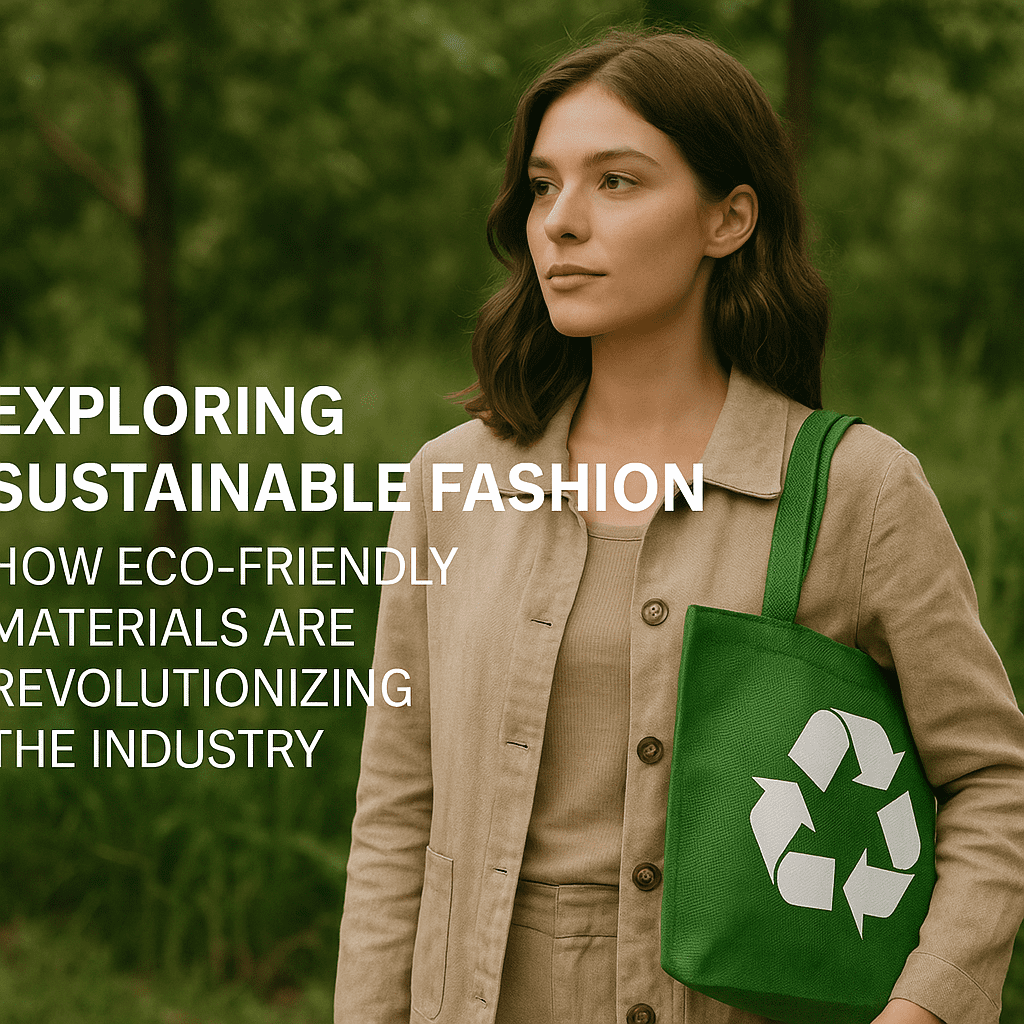
Sustainability has grown from just a popular word into a real movement, and fashion is one of the most exciting places to see it happen. Not long ago, eco-friendly clothing made people think of scratchy hemp shirts or boring colors. But now, that has completely changed. In 2024, fashion is mixing style with science, showing off things like cotton that helps the soil, leather made from mushrooms, and even clothing made from algae.
People today want more than just nice clothes—they want to feel good about where their clothes come from. Shoppers around the world are asking for honesty, fair practices, and lower carbon footprints. This isn’t just a short-term trend; it’s a big change in how the fashion world works.
At SMPLSINNOVATION, we usually focus on health technology, but we get excited about sustainability too—especially when technology plays a big role. What’s happening in fashion shows how creativity and technology can come together to make any industry better.
So put on your favorite organic cotton hoodie, grab a cup of fair-trade coffee, and let’s see how 2024 is building a greener future for fashion.
II. The State of Sustainable Fashion in 2024
According to sources like Business of Fashion and Vogue Business, sustainable fashion is no longer just a small corner of the market. It’s a big part of global fashion now and is changing how clothing is made from start to finish.
1. Market Overview
Here’s what’s trending in 2024:
– Big brands are embracing sustainability. Companies like Gucci, Stella McCartney, and Levi’s are making it part of their main business plans.
– Transparency is becoming common. More brands are proudly sharing details like their carbon footprint with shoppers.
– Technology is helping make change possible. Tools like digital fashion passports and blockchain systems make it easy to track where materials come from.
2. Growth Signs
– All kinds of brands, from luxury to fast fashion, are launching new eco-friendly clothing lines.
– Regular sustainability reports are now expected, not optional.
– People care more about where and how their clothes are made.
– Since the pandemic, more companies are making things locally to reduce their impact on the planet.
– Investment in green textile technology is growing fast across the world.
Sustainable fashion has officially stepped into the spotlight.
III. Eco-Friendly Materials Changing the Industry
Reports show that many new materials are not only good for the earth but are creative and useful too. Today’s eco-materials mix science and style.
Top 10 Eco-Friendly Materials:
1. Regenerative Cotton: Grown in ways that heal the soil and capture carbon.
2. Recycled Polyester (rPET): Made from old plastic bottles turned into soft fabric.
3. Mushroom Leather: Looks and feels like real leather but made without harming animals.
4. Hemp Fabric: Grows fast, uses little water, and needs few chemicals.
5. Tencel (Lyocell): Made from wood pulp with a process that wastes almost nothing.
6. Pineapple Leather (Piñatex): Created from leftover pineapple leaves that farmers would otherwise throw away.
7. Recycled Nylon (Econyl): Comes from old fishing nets and other plastic waste.
8. Certified Bamboo Viscose: Soft, breathable fabric when made under safe and clean conditions.
9. Seaweed or Algae Textiles: Natural, biodegradable, and very comfortable.
10. Bio-Based Polyesters: Made from plants instead of oil, reducing fossil fuel use.
These materials are showing that fashion can be stylish, responsible, and creative all at once.
IV. Circular Design and Production
The fashion industry is moving away from a “take, make, waste” mindset. Instead, it’s becoming circular, meaning items are made to last and be reused. Many brands now see waste as something valuable, not something to toss away.
10 Key Developments:
1. Closed-loop recycling turns old clothes into new ones over and over again.
2. Blockchain helps track clothing materials and build trust with shoppers.
3. Modular design makes it easier to mix and match pieces or repair clothes.
4. Brands are encouraging repair instead of replacement.
5. Many stores now take back old clothes for recycling.
6. New design methods help use fabric more efficiently and reduce scraps.
7. Companies are teaming up to improve textile recycling.
8. Clothing rental programs are growing as people share and reuse pieces.
9. Digital clothing lets people buy online-only outfits with zero waste.
10. Scannable tags show the full story of each item from start to finish.
Circular design is proving that being responsible can also be creative and fun. It’s inspiring other industries, like tech and healthcare, to think about sustainability too.
V. Lessons for Other Industries (Including Ours)
You might wonder what fashion has to do with health technology, but actually, quite a lot. At SMPLSINNOVATION, we see clear connections:
– Transparency helps people trust both their clothes and their health data.
– Circular thinking reminds us to reduce waste, whether it’s fabric or information.
– Innovation shows that science and creativity can work perfectly together.
Sustainable fashion teaches us that progress needs teamwork, curiosity, and courage. Whether it’s improving fashion or healthcare, the same rule applies—keep it smart, simple, and sustainable.
VI. Conclusion
In 2024, fashion is doing more than making clothes—it’s making change. Eco-friendly materials, circular design, and open supply chains are reshaping what luxury and responsibility mean.
This change shows that technology and sustainability can work hand in hand, in fashion and beyond. At SMPLSINNOVATION, we’re inspired by it every day.
No matter what field you’re in—coding, healthcare, or design—the message is clear: sustainability isn’t a passing trend. It’s the future, and it looks amazing.
Written by SMPLSINNOVATION — where innovation meets simplicity, and where technology stays responsibly stylish.