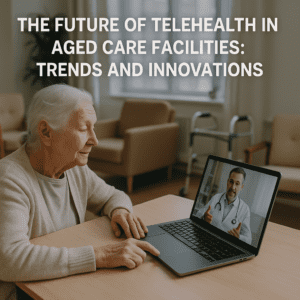
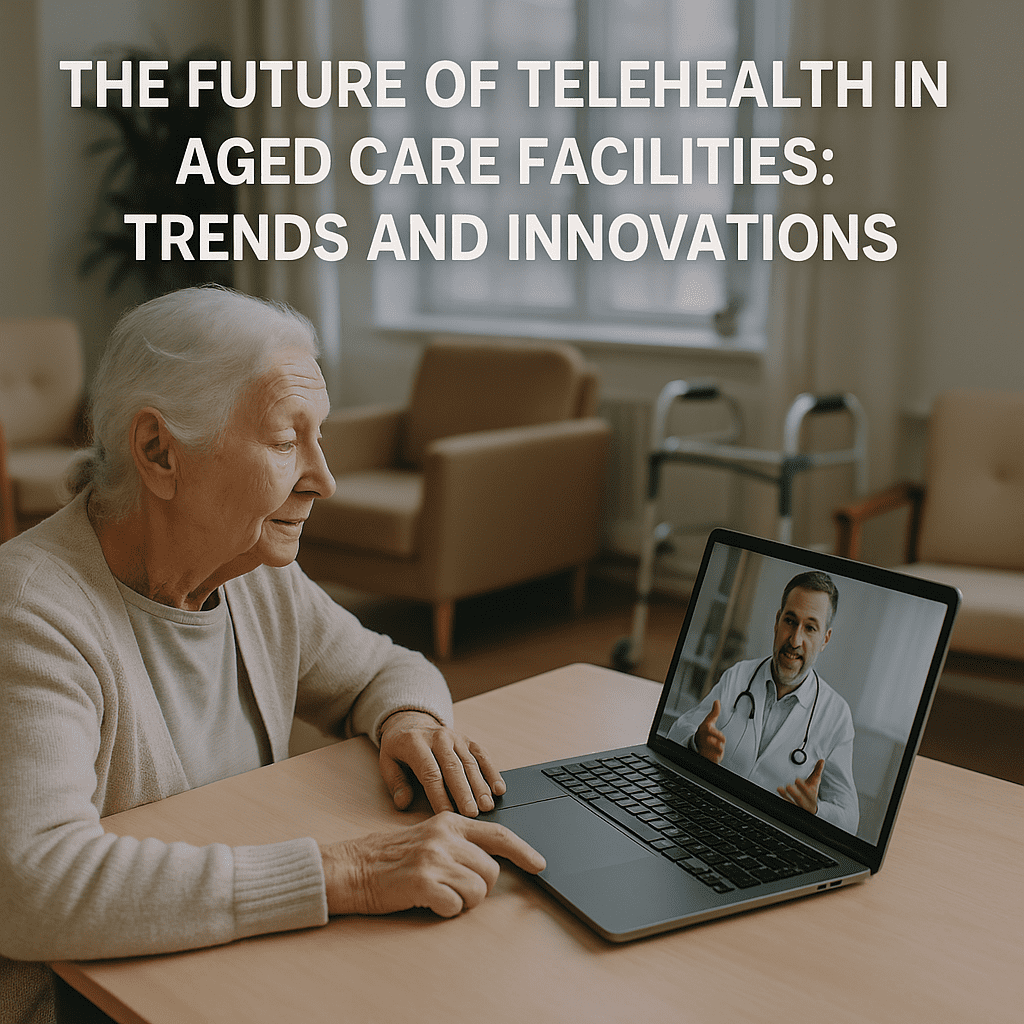
The Future of Telehealth in Aged Care Facilities: Trends and Innovations
By SMPLSINNOVATION
If your grandma thinks “telehealth” is a new kind of phone plan, don’t worry — she’s not alone. Over the last ten years, telehealth has gone from an experiment to a key part of aged care. At first, it was just a way to help doctors reach people in far-off places. Now, it’s a whole system that includes real-time health checks, digital connections, and even virtual reality treatments that help seniors stay healthy and happy.
So what’s next? That’s the big question. We’re looking at how telehealth will shape the next generation of aged care and how care homes can use it to create safer, smarter, and friendlier places to live.
I. The Journey of Telehealth in Aged Care
In just a decade, telehealth has moved from small test programs to everyday use. The real boost came during the early days of the pandemic when seeing a doctor online became a must, not a choice.
A few key things helped this happen:
1. The Pandemic: COVID-19 made video doctor visits common and showed everyone how useful they could be.
2. Policy Changes: Governments and health groups made it easier to get paid for telehealth visits and created safety rules.
3. Better Technology: Faster internet, smart devices, and artificial intelligence made telehealth reliable and secure.
Now, in 2024, telehealth isn’t a question of “should we use it?” but “how much can it do?”
II. Telehealth Today (2024 Snapshot)
Before looking ahead, let’s see where things stand now. Telehealth in aged care is strong and still growing.
Current Trends:
– Hybrid Care: Most care homes mix in-person visits with online ones so residents can talk to nurses or specialists easily.
– Remote Monitoring: Devices now track heart rate, hydration, movement, and even mood to spot problems early.
– Shared Platforms: Care staff, doctors, and families can all see updates and talk through shared online dashboards.
Common Challenges:
1. Digital Skills: Some residents and staff still need help using new technology.
2. Internet Access: Remote areas may have poor connections.
3. Privacy and System Links: Not all systems connect safely yet, though that’s getting better.
Recent Data:
– Use of telehealth in aged care has gone up more than 60% since 2020.
– Mixed care programs have seen 25–40% fewer trips to the hospital.
– Rules and payments for telehealth are becoming more stable worldwide.
III. 10 Trends Shaping the Future of Telehealth in Aged Care
1. AI Smart Monitoring: Artificial intelligence is starting to spot early signs of illness before people feel sick.
2. Virtual Specialists: People in small towns can now meet top doctors by video without long trips.
3. Wearable Devices: Smart watches and clothing check health data and warn staff about changes.
4. Voice Commands: Residents can call for help just by speaking, which helps those with limited movement.
5. Telepresence Robots: Rolling robots with video screens let doctors visit virtually and help reduce loneliness.
6. Connected Health Records: Systems are being built so that all health information fits together easily.
7. Cloud-Based Platforms: These let managers watch over several care homes at once and make sure standards are met.
8. Personalized Care: Data helps tailor meals, medicine, and routines for each person.
9. Virtual Reality Therapy: Seniors can enjoy trips down memory lane or play brain games through VR headsets.
10. Better Payment Policies: Governments are starting to support telehealth visits long-term, making programs easier to fund.
IV. 10 New Technologies Powering Telehealth
1. AI Chatbots: Smart programs check in on residents daily and alert nurses only when something seems wrong.
2. 5G Networks: Fast connections make real-time video and high-quality imaging easy anywhere.
3. Touch-Free Sensors: Devices can measure breathing and heart rate without touching the skin.
4. Smart Pill Dispensers: Digital pillboxes remind patients to take medicine and alert staff if they forget.
5. AI Wound Care: Nurses send pictures to AI programs that check how wounds are healing.
6. Decision Support Tools: Software helps doctors choose the right treatments and avoid mistakes.
7. IoT Health Trackers: Wearables send data straight to dashboards for early action.
8. Blockchain Security: Blocks of coded data keep health records safe and private.
9. Digital Therapy: Approved apps help with anxiety, depression, and memory support.
10. Telehealth Hubs: All-in-one workstations combine video calls, checkups, and data in one spot.
V. What This Means for Aged Care
Telehealth is becoming the “nervous system” that connects residents, families, caregivers, and doctors. The results are clear:
– Better Health: Early problem detection means fewer hospital visits and healthier lives.
– More Efficiency: Automation saves time, so staff can focus on people instead of paperwork.
– Happier Residents: New tech like robots, VR, and custom plans give residents more engagement and confidence.
To make telehealth work well, care homes should:
1. Improve internet and device access.
2. Train staff and residents on using technology.
3. Use systems that can connect safely with others.
4. Follow privacy and security standards.
VI. The SMPLSINNOVATION View
At SMPLSINNOVATION, we believe telehealth isn’t replacing care — it’s making it stronger. It gives caregivers more tools, brings families closer, and helps turn “aged care” into “smart care.”
We help facilities design and manage technology systems that make telehealth simple and friendly. When innovation and kindness work together, great things happen — and yes, we’re smiling about that.
Final Thoughts
The future of telehealth in aged care isn’t far away — it’s here now. From artificial intelligence to virtual therapy, technology is changing how we care for and connect with older adults.
The challenge for 2024 and beyond is not just to use telehealth, but to master it. Make it part of your care home’s everyday life. Because the next generation of residents will expect it — and might even show you how it’s done.
SMPLSINNOVATION: Making healthcare technology simple, smart, and more human.