The Future of Remote Patient Monitoring: Innovations Transforming Home Healthcare
By SMPLSINNOVATION | Published April 2024
1. Introduction: The New Pulse of Patient Care
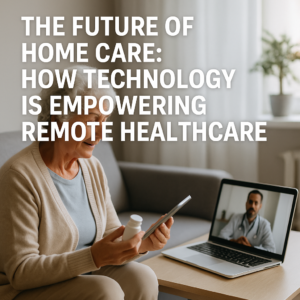
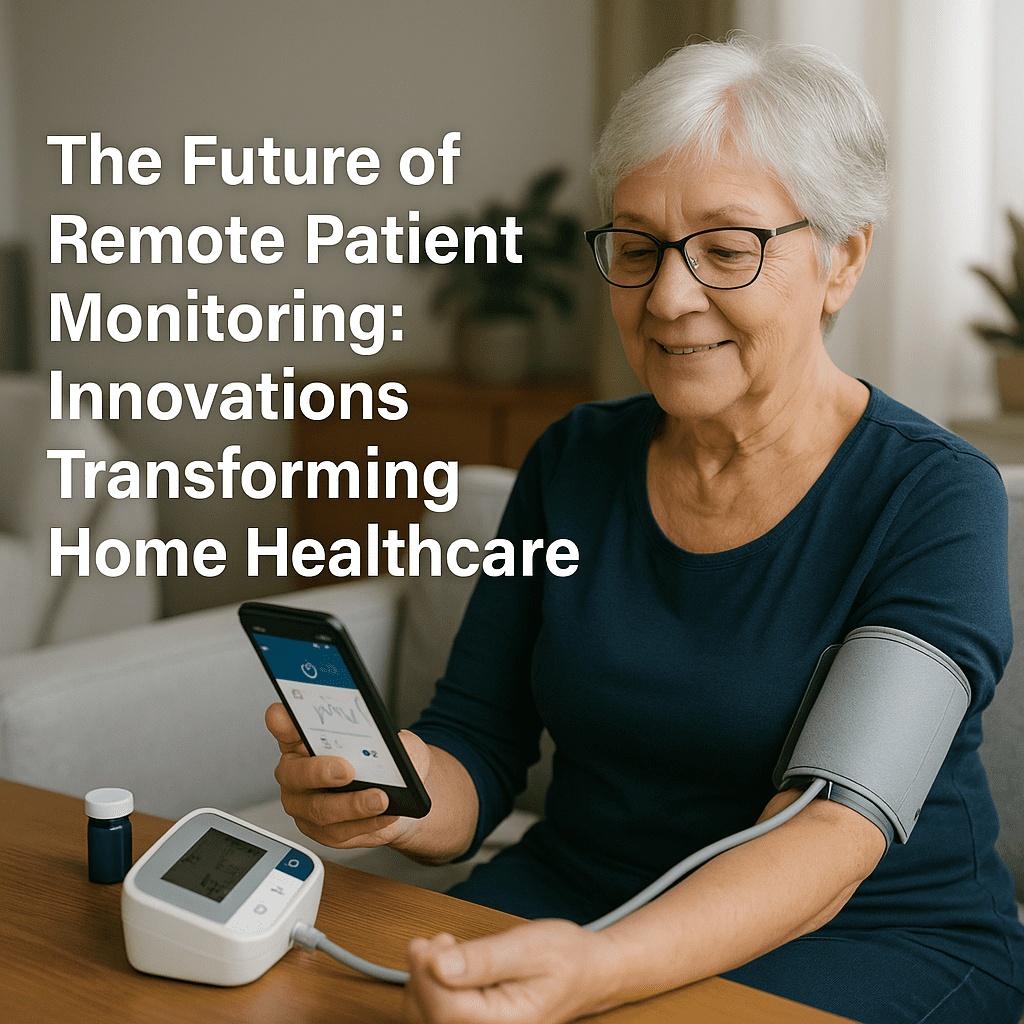
If 2020 was the year everyone learned how to use Zoom, 2024 is the year healthcare learned how to use data. The idea of checking your heart rate, oxygen levels, or remembering to take medicine from your couch is now possible. Welcome to the world of Remote Patient Monitoring (RPM), which is quickly becoming the heart of home healthcare.
In simple words, RPM uses digital tools and connected devices to collect and share your health information securely with doctors. What used to require a hospital visit can now be done through smart sensors and online platforms.
Here’s the big picture:
– The global RPM market is expected to be worth more than 175 billion dollars by 2030 and grow by about 20% each year.
– This is not just about cool technology. It helps move healthcare from the hospital to the home, saving money, improving results, and freeing up hospital space.
– The pandemic showed that remote care can still mean good care.
At SMPLSINNOVATION, we like to say that home is the new hospital—just with better snacks.
2. Why RPM Matters Now More Than Ever
RPM is no longer a small idea. It’s now a big part of modern healthcare. Here’s why it’s so important:
1. Chronic diseases like diabetes or heart failure make up most of healthcare costs. RPM helps manage these better.
2. More people are living longer, and they want to stay independent at home. RPM helps them do that.
3. There are not enough healthcare workers, and many are stressed. RPM helps fill those gaps.
4. Fewer hospital visits mean big cost savings.
5. Patients expect personalized care, just like online shopping experiences.
6. New 2024 rules support remote care, making it easier for doctors to get paid for it.
7. RPM helps doctors focus on results instead of just treatments.
8. “Hospital-at-home” programs depend on good RPM systems.
9. Doctors can use RPM data to spot problems early instead of waiting for an emergency.
10. Patients prefer to recover comfortably at home than sit in waiting rooms.
In short, RPM sits at the center of medical need, patient demand, and digital progress.
3. Technological Core: 10 Innovations Leading the RPM Revolution
Here are some of the coolest new tools in remote monitoring:
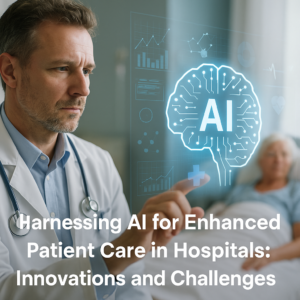
1. Artificial intelligence that can predict health problems before symptoms show up.
2. Smart wearables like patches or rings that measure things like heart rate and blood sugar.
3. Home devices that send health readings automatically to doctors.
4. On-device computing that gives results quickly.
5. 5G networks for smoother, faster remote checkups.
6. Digital signs that help track disease by watching small body changes.
7. Virtual helpers that remind patients to take medicine or offer support.
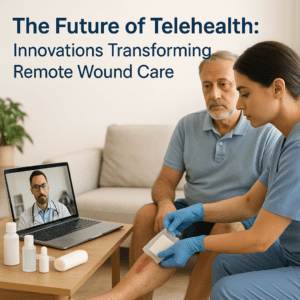
8. Apps that check how wounds are healing by analyzing pictures.
9. Smart pill bottles that track if medicines are taken on time.
10. Secure systems that protect patient privacy and data.
All these tools share one goal: helping people stay healthier and keeping doctors informed without extra hospital visits.
4. Integration and Interoperability: The Hidden Infrastructure
High-tech devices are great, but they only work well if systems can share data safely. This is called interoperability, and it’s key to success.
Some important parts include:
– Linking RPM data with hospital record systems.
– Using standard systems called FHIR so data can move easily between programs.
– Keeping data secure in the cloud while still easy for doctors to use.
– Protecting privacy while still allowing care teams access to what they need.
– Building systems that can grow as more patients join.
– Using security tools like encrypted connections and multi-step logins.
– Combining RPM information into dashboards that give useful insights.
– Making device systems that work with any brand.
– Setting up smart alerts for only important changes.
– Making sure RPM fits smoothly into existing doctor workflows.
One pilot program in California in 2024 showed that connecting different RPM devices into hospital systems reduced time spent managing data by 42%.
5. Real-World Clinical Impact (2023–2024 Data Highlights)
Recent studies show strong results from RPM:
1. Readmissions for heart failure dropped 18–25%.
2. Blood pressure control improved by 40%.
3. Diabetes patients reached healthy blood sugar goals 34% more often.
4. Hospital stays for lung disease dropped by 27%.
5. Rural patients gained better access through connected devices.
6. Over 200 hospitals tried “hospital-at-home” with 90% patient satisfaction.
7. Average savings were about 6,200 dollars per patient each year.
8. Wearable data helped detect signs of mental health changes early.
9. Wound care visits dropped 35% thanks to remote photo checks.
10. AI triage systems doubled emergency response accuracy.
RPM is not replacing traditional care. It’s redefining it.
6. The Road Ahead: What’s Next for RPM?
Between now and 2030, RPM will keep evolving:
1. Smarter virtual assistants powered by new AI tools.
2. Devices that can sense emotions and stress.
3. Wearables that use body heat for power.
4. Virtual digital twins that help test treatments safely.
5. Partnerships between tech, medicine, and public systems.
6. Lower-cost RPM tools available for developing regions.
7. Clearer safety and approval rules worldwide.
8. A shift toward preventing illness instead of just treating it.
9. Eco-friendly materials for health devices.
10. Homes that quietly watch over health without any effort from the patient.
7. SMPLSINNOVATION’s Perspective: Making RPM Simple
At SMPLSINNOVATION, our mission is to make advanced health technology simple and easy to use for everyone. We believe the best solutions are those that help people live healthier lives without adding stress or confusion. We’re turning complex healthcare technology into everyday tools that fit naturally into people’s lives—because good health should always be within reach.