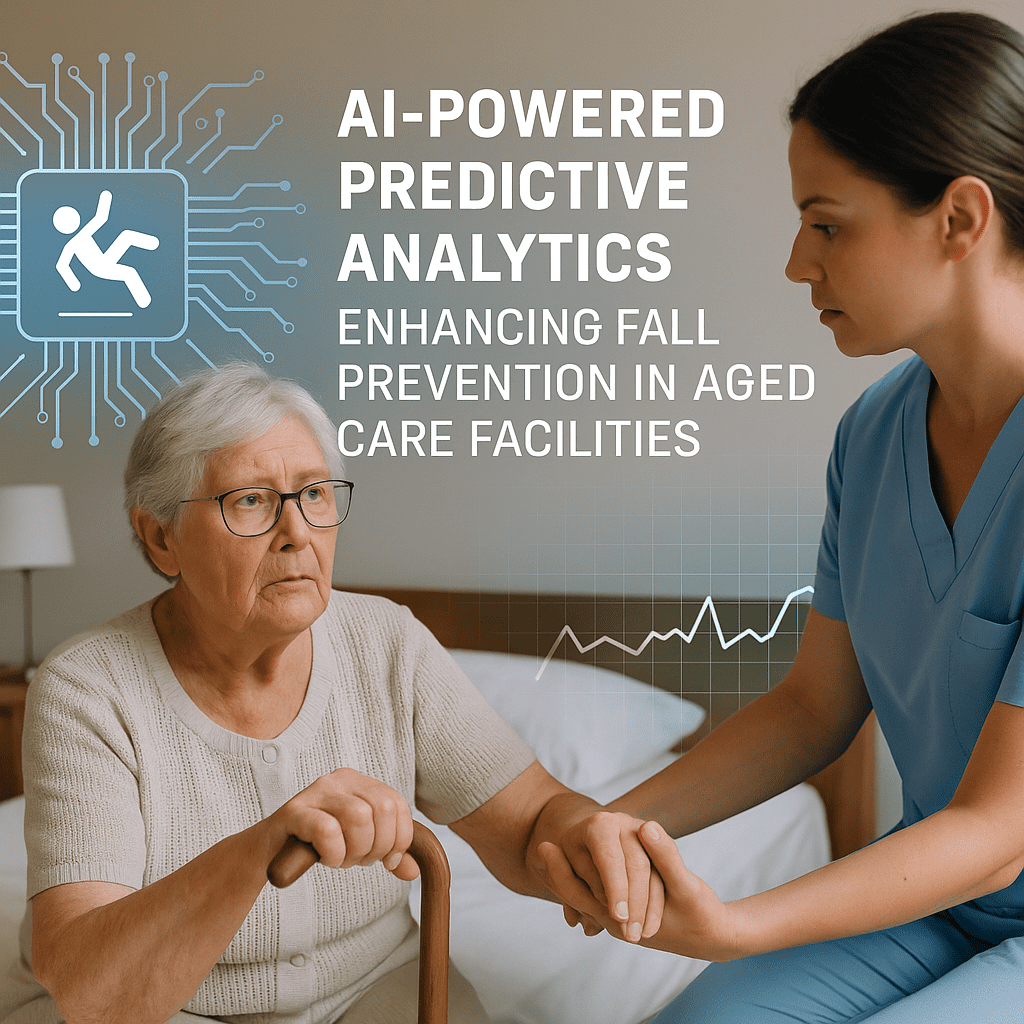
How AI-Powered Predictive Analytics is Helping Prevent Falls in Aged Care Facilities
By SMPLSINNOVATION — where technology meets a whole lot of heart (and a pinch of humor).
1. Introduction
Growing old with grace is a dream for many. But slipping on a shiny floor? Not so dreamy.
As more people around the world reach old age, keeping seniors safe from falls has become more important than ever. The World Health Organization says one in three adults aged 65 and older will have at least one fall every year. Falls don’t just cause bruises. They can lead to serious injuries, loss of independence, and big medical costs.
That’s where Artificial Intelligence (AI) and predictive analytics come in. These smart tools help caregivers know who might fall, when it could happen, and even why. New research and real-world examples in 2025 show how much this field has grown.
In this post, we’ll look at how AI-powered predictive analytics is improving fall prevention, what technology makes it work, and some of the latest success stories. Grab your favorite drink and let’s go.
2. The Current State of Fall Prevention in Aged Care
Traditional fall prevention relies on three main parts:
1. Risk Assessments – Nurses and therapists check residents every so often with standard tools like the Morse Fall Scale.
2. Manual Monitoring – Staff watch residents and look for signs of unsteady walking.
3. Training Programs – Staff learn how to prevent falls and keep the environment safe.
These methods are helpful but not perfect because they are:
– Reactive, not proactive. They often alert staff after a fall.
– Human-dependent, which can lead to errors from tiredness or distraction.
– Static, meaning they rely on occasional check-ins instead of constant monitoring.
Families and regulators want smarter and safer systems that work all the time. This is where predictive analytics steps up to help.
3. What Is AI-Powered Predictive Analytics?
AI-powered predictive analytics is like the fortune teller of health care—but it uses data, not a crystal ball.
It mixes three things:
1. Machine Learning – Computer programs that find patterns in health and movement data.
2. Sensor Data – Information from wearables, room sensors, and smart devices.
3. Environmental Data – Details like lighting, temperature, and furniture placement.
Unlike regular analytics that explain what happened, predictive analytics guesses what could happen next. In aged care, that might mean predicting who may fall within the next hour so staff can act early.
It turns “someone just fell” into “someone might be at risk—let’s check now.”
4. Key Technologies Leading the Way in 2025
Here are 10 new technologies helping reduce falls in aged care:
1. Computer Vision – Cameras that detect movement problems while keeping privacy by only tracking body outlines.
2. Smart Floors – Floors with sensors that notice when someone is walking unsteadily.
3. Wearable AI Devices – Watches, clips, or patches that track balance, motion, and hydration.
4. Edge Computing – Processing data on-site to keep it private and fast.
5. Lidar and Radar Sensors – Devices that sense motion without capturing images.
6. Predictive Behavior Modeling – AI that spots small movement changes showing imbalance.
7. Voice Recognition – Systems that can hear distress calls or unusual sounds.
8. Electronic Health Record Integration – Mixing live sensor data with medical history.
9. Digital Twins – Virtual versions of residents to test how care changes might help them.
10. Federated Learning – AI that learns from many facilities without sharing private data.
Together, these tools create a powerful system that helps stop falls before they happen.
5. How Predictive Analytics Prevents Falls
Here’s how it works:
1. Data Collection – The system gathers data on movement, health, and the environment.
2. Pattern Recognition – AI finds signs linked to falling, like slower steps or unsteady posture.
3. Risk Scoring – Each resident gets a fall risk score that updates constantly.
4. Alerts – Staff get real-time notifications if someone’s risk gets high.
5. Automatic Actions – Smart lights or robots can step in to guide residents safely.
6. Continuous Learning – The system keeps improving as more data is collected.
Example:
Mabel, age 89, wears a smart wristband and walks on smart flooring. The system notices she’s walking slower and wobbling slightly. It also sees she’s a bit dehydrated. An alert goes to her nurse: “Resident Mabel – fall risk: 78%. Suggest hydration check and rest.”
The staff check on her right away and prevent a fall. That’s predictive prevention in action.
6. Case Studies and Real Results (2025)
Recent research in February 2025 from top digital health journals shows great results:
– Fall rates dropped by 35–50% in facilities using AI-powered systems.
– Staff responded 42% faster thanks to real-time alerts.
– Resident satisfaction grew by 30% due to improved feelings of safety and independence.
Partnerships between startups and healthcare providers made this possible. For example, AICarePredict worked with SilverPath Hospitals to cut nighttime falls. NeuroGait Analytics partnered with ElderSafe Communities to improve tracking accuracy.
Interestingly, nurses also felt happier at work. Technology didn’t replace empathy—it supported it. Staff had more time for personal, caring moments.
7. Challenges and Areas to Improve
Even great technology faces challenges:
1. Data Privacy – Protecting resident information while still using it usefully.
2. Costs – The first setup can be expensive, but it pays off over time.
3. System Integration – Making sure different devices work smoothly together.
4. False Alarms – Early systems sometimes sent too many warnings.
5. Building Trust – Helping residents and caregivers feel comfortable with the technology.
A little humor helps too: “No, Grandma, the camera isn’t spying on your card game—it’s making sure you don’t trip!”
8. Looking Ahead
The next year or two will bring even more exciting progress:
1. Smarter wearables that check balance and blood pressure.
2. Smart lighting that changes when someone looks unsteady.
3. Studying social patterns, like loneliness, to improve health.
4. Technology that’s easier and more friendly for both staff and residents.
5. Secure data sharing across facilities to improve global learning.
AI isn’t just making aged care smarter—it’s making it kinder.
9. Conclusion
Falls in aged care aren’t just accidents; they affect health, confidence, and independence. Thanks to AI-powered predictive analytics, caregivers now have tools to see risk before it becomes an emergency. This means safer seniors, happier staff, and a more caring environment overall.